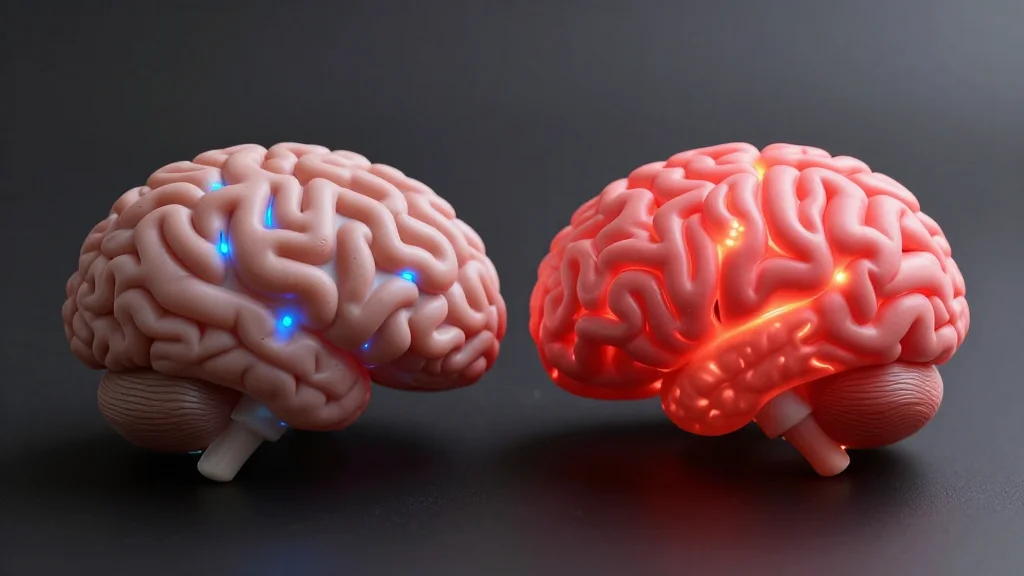
Autism May Have Two Distinct Subtypes Based on Brain Connectivity Patterns
Why It Matters
By linking distinct connectivity signatures to underlying biology, the study creates a pathway toward personalized interventions and precision psychiatry for autism, addressing long‑standing heterogeneity in the field.
Key Takeaways
- •Two autism subtypes identified via functional connectivity patterns.
- •Hypoconnectivity linked to synaptic pathways, reduced neuronal communication.
- •Hyperconnectivity associated with immune pathways and gene regulation changes.
- •Mouse models served as a “Rosetta Stone” to interpret human scans.
- •Findings pave way for precision psychiatry but are not yet diagnostic.
Pulse Analysis
Autism’s clinical diversity has long frustrated researchers trying to pinpoint neurobiological underpinnings. Traditional imaging studies produced conflicting reports—some showing reduced, others increased functional connectivity—leading many to dismiss the variability as noise. This inconsistency has hindered the development of biomarkers that could guide targeted therapies, leaving clinicians reliant on broad behavioral criteria. The new cross‑species approach reframes that heterogeneity as a potential source of mechanistic insight, aligning neuroimaging findings with molecular pathways.
The study leveraged 20 genetically engineered mouse models, each representing different autism‑related perturbations, to map functional‑connectivity signatures onto known synaptic and immune mechanisms. By translating these mouse patterns onto human resting‑state fMRI data, researchers uncovered two robust subtypes: a hypoconnectivity group tied to synaptic dysfunction and a hyperconnectivity group linked to neuroimmune activity and transcriptional dysregulation. This dual‑subtype model explains why prior human studies reported opposite connectivity trends and provides a biologically grounded taxonomy that can be tested in larger cohorts.
Beyond academic interest, the findings have practical implications for precision psychiatry. Identifying whether an individual’s brain falls into the synaptic‑deficit or immune‑hyperactive subtype could eventually inform tailored interventions—such as synaptic modulators or anti‑inflammatory strategies. However, the authors caution that the subtypes are not yet ready for clinical deployment. Future work will integrate deep phenotyping, genetics, and larger imaging datasets to refine the taxonomy and explore additional subtypes. As the field moves toward biologically informed diagnostics, this research marks a pivotal step in translating neuroimaging variability into actionable therapeutic pathways.
Autism may have two distinct subtypes based on brain connectivity patterns
Comments
Want to join the conversation?
Loading comments...