Autism Spectrum Disorder Is Associated with Specific Congenital Malformations
Why It Matters
Identifying birth defects that correlate with later ASD offers a potential early‑warning signal, enabling clinicians to target high‑risk infants for prompt developmental assessment and intervention, which is known to improve long‑term outcomes.
Key Takeaways
- •ASD children have 75% higher odds of any congenital malformation.
- •Circulatory defects most common: 2.1% vs 1.2% in neurotypicals.
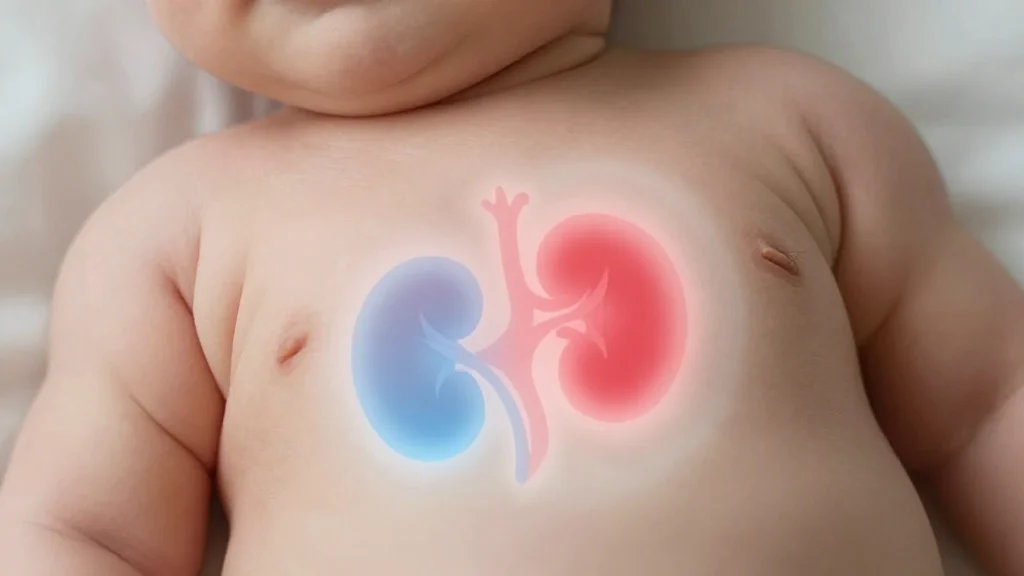
- •Genitourinary malformations linked exclusively to boys with ASD.
- •Girls with ASD show higher rates of non‑genitourinary anomalies.
Pulse Analysis
The new analysis leverages Israel’s National Birth Registry, linking over 4,300 singleton births to the country’s Autism Registry. By matching 2,099 children with ASD to an equal number of neurotypical peers, the researchers could control for age and sex while examining the prevalence of congenital malformations. Their statistical models, adjusted for birth weight, parental age, ethnicity and maternal immigration, revealed a 75 percent increase in the odds of any birth defect among the ASD group. The most pronounced excesses were observed in circulatory and urogenital systems, underscoring a tangible physical dimension to a condition often viewed solely through a neurodevelopmental lens.
Stratifying the data by sex uncovered a striking dichotomy. Boys with ASD were disproportionately affected by genitourinary anomalies—a pattern that aligns with prior evidence linking reduced prenatal androgen signaling to male reproductive defects. In contrast, girls with ASD exhibited a higher frequency of non‑genitourinary malformations, chiefly cardiovascular irregularities, which may reflect excess embryonic androgen exposure that disrupts vascular development. These sex‑specific signatures hint at hormonal pathways that intersect both organogenesis and brain wiring, offering a biological bridge between peripheral birth defects and neurodevelopmental trajectories.
The practical upshot is the prospect of using certain congenital anomalies as red‑flag indicators for early autism surveillance. Pediatricians who encounter a newborn with a urogenital defect in a male or a circulatory abnormality in a female could consider more frequent developmental monitoring, potentially accelerating diagnosis and access to evidence‑based therapies. Nonetheless, the study’s reliance on historical diagnostic criteria and the exclusion of severe malformations—often terminated after prenatal detection—introduce survivorship bias. Future research that integrates genetic profiling and contemporary ASD definitions will be essential to validate these markers and translate them into clinical guidelines.
Autism spectrum disorder is associated with specific congenital malformations
Comments
Want to join the conversation?
Loading comments...