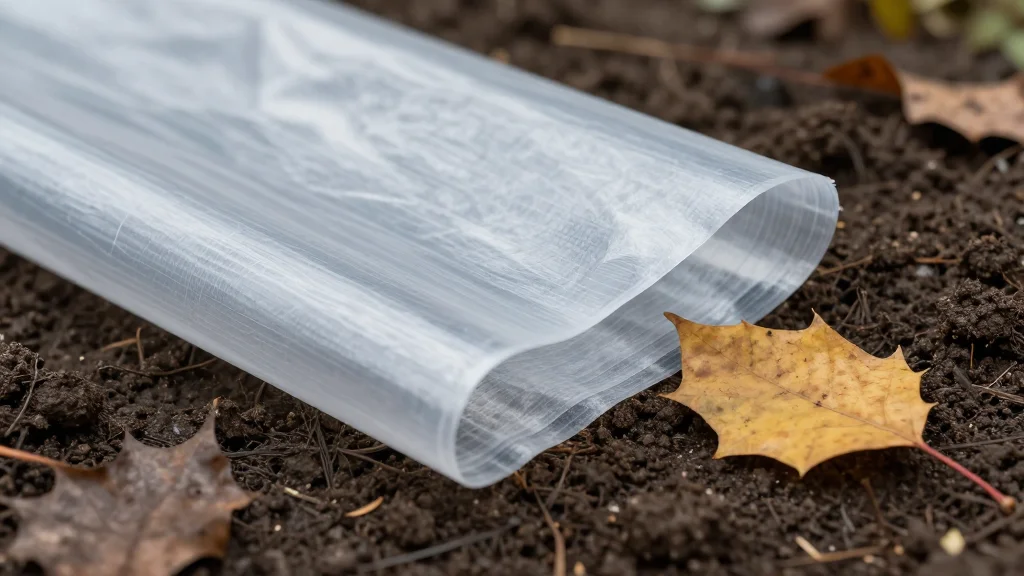
Autumn Leaves Transformed Into Biodegradable Mulch Film Can Curb Farm Plastic Pollution
Why It Matters
The leaf‑based film tackles the growing problem of plastic mulch residues that generate microplastics in soils, providing growers with a sustainable, low‑cost alternative that degrades quickly without harming crops. Its adoption could reduce agricultural plastic waste by millions of tons globally.
Key Takeaways
- •Leaves turned into nanocellulose/PVA film replace polyethylene mulch
- •Film blocks UV, reduces soil moisture loss to 5% over 14 days
- •Decomposes 34% in 115 days, faster than existing bioplastics
- •Uses water‑based process, no toxic solvents, supporting circular agriculture
Pulse Analysis
Plastic mulch films are a staple of modern agriculture, covering billions of acres worldwide to suppress weeds and conserve water. Yet the dominant polyethylene sheets are notoriously persistent, fragmenting into microplastics that linger in soil and threaten crop health. As regulatory pressure mounts and consumers demand greener practices, the industry is scrambling for alternatives that combine performance with true biodegradability.
The KAIST team’s breakthrough hinges on converting discarded autumn leaves into high‑strength nanocellulose, then integrating it with polyvinyl alcohol in a solvent‑free, water‑based fabrication. This approach not only sidesteps hazardous chemicals but also leverages a readily available, non‑food biomass feedstock. In field trials, the leaf‑derived film blocked harmful UV radiation, limited moisture loss to roughly five percent over a fortnight, and even boosted ryegrass growth compared with untreated plots. Its degradation rate—over a third of the material vanished in just under four months—outpaces many commercial bioplastics, while remaining non‑toxic to seedlings.
If scaled, the technology could transform agricultural waste streams into value‑added inputs, cutting reliance on petroleum‑based plastics and curbing the estimated 10‑15 million tons of plastic mulch discarded annually. Adoption will depend on cost parity, supply chain logistics for leaf collection, and farmer education. However, with growing policy incentives for sustainable farming and a clear environmental payoff, the leaf‑film positions itself as a viable contender in the emerging market for circular agritech solutions.
Autumn leaves transformed into biodegradable mulch film can curb farm plastic pollution
Comments
Want to join the conversation?
Loading comments...