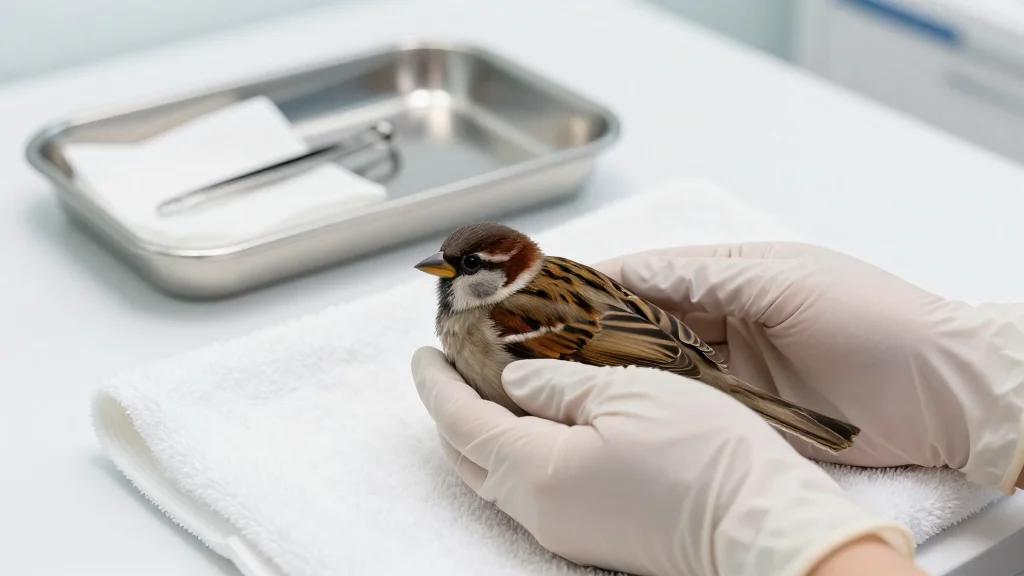
Avian Bird Flu Surges in New York Urban Wildlife, Increasing Disease Concerns
Why It Matters
The outbreak highlights the vulnerability of megacities to rapid, multi‑species viral spread, raising public‑health and economic stakes if the virus adapts to humans. It underscores the need for stronger urban wildlife monitoring and market regulation worldwide.
Key Takeaways
- •H5N1 infects 598 bird species and 102 mammals
- •NYC wet markets host live birds and mammals
- •Virus detected in raptors, geodes, raccoons, cats
- •Surveillance combines Cornell, NYSDEC, USDA, Mount Sinai
- •Potential spillover risk higher in cities lacking monitoring
Pulse Analysis
The H5N1 clade 2.3.4.4b has become the most pervasive avian influenza strain of the decade, crossing traditional host barriers to infect hundreds of bird species and over a hundred mammalian hosts. Its ability to reassort with low‑pathogenic viruses accelerates genetic change, creating a moving target for diagnostics and vaccines. Global case counts now exceed 990 human infections, with the United States accounting for 71, underscoring the virus’s capacity to approach the human population despite limited sustained transmission.
New York City offers a unique laboratory for observing this phenomenon. The state’s layered surveillance network—linking Cornell’s veterinary researchers, the NYSDEC, USDA Wildlife Services, and Mount Sinai’s epidemiologists—has generated real‑time data on wildlife mortality, species jumps, and environmental persistence. Wet markets, numbering over 80 across the boroughs, concentrate live poultry and occasional mammals in cramped, water‑rich settings, amplifying density‑dependent transmission. Recent detections in raptors, geese, raccoons, and domestic cats illustrate how urban ecosystems can act as bridges between wild reservoirs and human communities.
The implications extend beyond New York. As cities worldwide host migratory flyways and informal animal markets, the risk of a H5N1 variant acquiring efficient human‑to‑human spread grows. Policymakers must adopt a One Health framework that integrates wildlife monitoring, market hygiene standards, and public education to curb spillover pathways. Strengthening genomic surveillance, enforcing market closures during outbreaks, and investing in rapid response teams are essential steps to prevent an urban flashpoint from igniting a broader pandemic.
Avian bird flu surges in New York urban wildlife, increasing disease concerns
Comments
Want to join the conversation?
Loading comments...