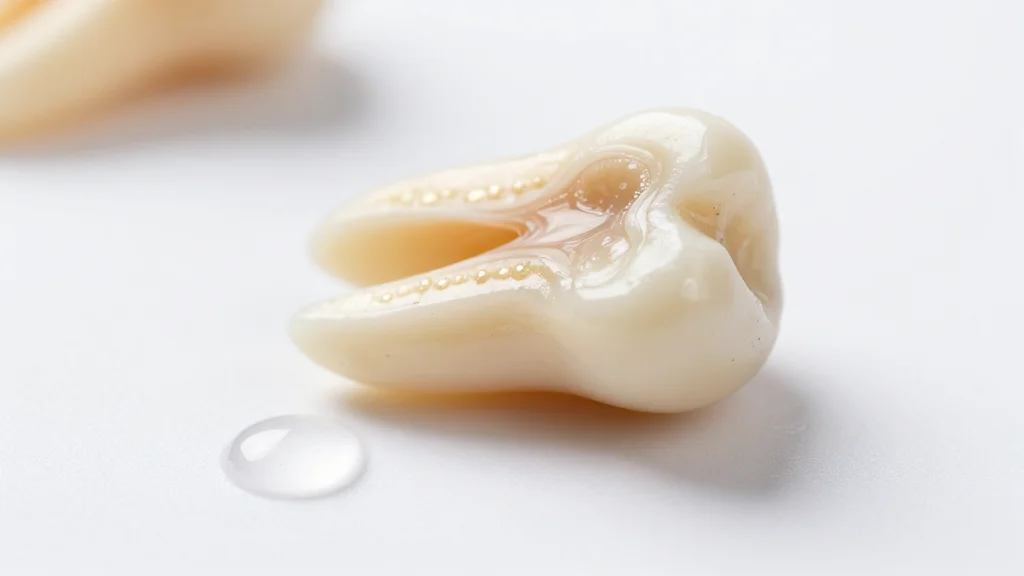
Baby Teeth Hold Clues to the Harms of Toxic Metals for Infants — and Older Kids
Why It Matters
The findings reveal a vulnerable developmental window where even low‑level metal exposure can impair brain structure and behavior, prompting urgent policy action to safeguard children’s health. This timing‑focused evidence reshapes risk assessment frameworks for environmental toxins.
Key Takeaways
- •Baby teeth act as chronological records of prenatal and early‑life metal exposure
- •Laser analysis of 500 Mexico City teeth mapped exposure to nine metals
- •Exposure between 6‑9 months linked to reduced brain volume and hyperactivity
- •Findings suggest timing, not just dose, drives neurodevelopmental risk
- •Study offers a model for tracking other environmental toxins in children
Pulse Analysis
Scientists have turned a child's first set of teeth into a high‑resolution exposure diary. By slicing shed baby teeth with a laser and measuring trace metals layer by layer, researchers reconstructed a week‑by‑week timeline of prenatal and early‑postnatal contact with nine common neurotoxic elements. The technique, applied to 500 children from Mexico City, offers a non‑invasive, cost‑effective alternative to blood or cord‑serum sampling, capturing exposures that would otherwise be invisible once the infant ages out of the neonatal period.
The study pinpointed a narrow developmental window—roughly six to nine months after birth—when metal mixtures most strongly disrupted brain growth. MRI scans of the same adolescents revealed smaller overall brain volume, altered white‑matter pathways, and weakened connectivity, correlating with higher rates of inattention and hyperactivity. By linking precise exposure timing to structural brain changes, the research moves beyond the traditional dose‑response narrative, suggesting that even modest metal levels can be harmful if they coincide with rapid synaptic formation. This insight reshapes risk assessments for lead, manganese, copper and other ubiquitous contaminants.
Policymakers now have a concrete preventive argument: limiting toxic metal presence during the first year could curb neurodevelopmental disorders later in life. The tooth‑laser method is scalable and could be integrated into existing pediatric dental visits, providing population‑level surveillance without invasive sampling. Moreover, the approach sets a template for studying prenatal exposure to pesticides, flame retardants or microplastics, expanding the toolkit for environmental health researchers. As regulators tighten standards for water, food and housing, data from baby teeth may become a decisive metric for protecting the next generation’s cognitive health.
Baby teeth hold clues to the harms of toxic metals for infants — and older kids
Comments
Want to join the conversation?
Loading comments...