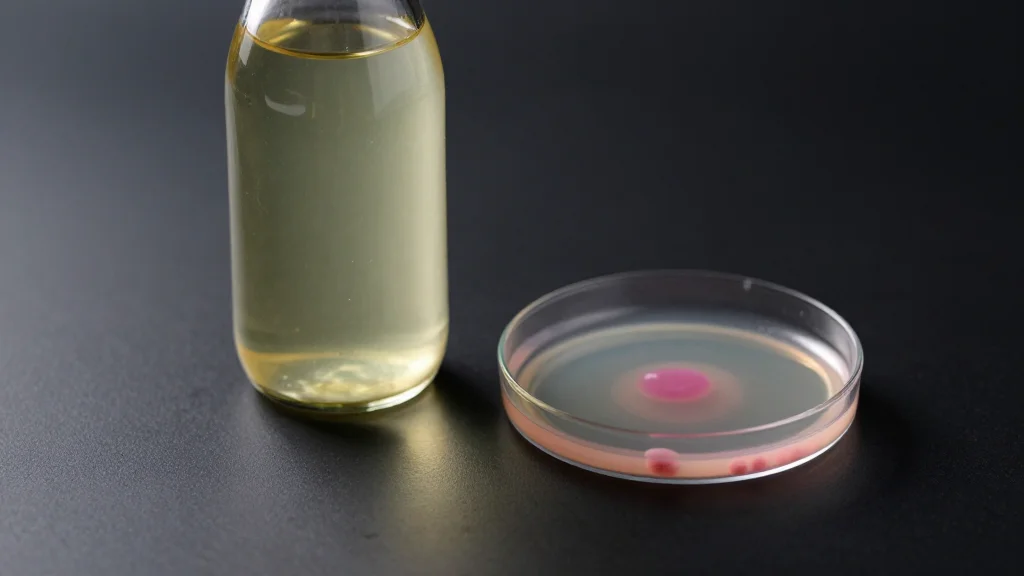
Bacteria From Bumblebees Can Produce Vitamin B₂ in Soya Drinks
Why It Matters
The breakthrough offers a fast, natural way to enrich plant‑based milks with riboflavin, addressing a key nutritional gap and supporting clean‑label strategies in the booming dairy‑alternative market.
Key Takeaways
- •Droplet screening evaluates millions of bacteria in hours, not months
- •Bumblebee gut bacteria yield a Lactococcus strain boosting riboflavin in soy drinks
- •Transparent soy medium enables precise fluorescence‑based vitamin B2 detection
- •Strain thrives on protein‑rich plant milks, limited in low‑protein alternatives
- •Method adaptable to discover other fluorescent‑detectable food‑grade microbes
Pulse Analysis
The rapid rise of plant‑based milks has exposed a nutritional blind spot: many alternatives lack the vitamin profile of cow’s milk, especially riboflavin (vitamin B₂). Conventional fortification relies on synthetic additives, which can affect flavor and consumer perception. Moreover, the search for natural, bio‑available sources of vitamins has been hampered by slow, labor‑intensive microbial screening that often requires weeks of culturing on agar plates. As the market expands, manufacturers are under pressure to deliver products that are both clean‑label and nutritionally comparable to dairy.
DTU’s National Food Institute tackled this bottleneck with a microfluidic droplet‑screening platform that isolates single bacterial cells in transparent soy‑based micro‑droplets. By exposing each cell to roseoflavin, a riboflavin analog, the system flags high‑producing strains through fluorescence, allowing millions of candidates to be evaluated in a few hours. The approach uncovered a Lactococcus lactis strain from bumblebee gut flora that not only acidifies soy drinks but also synthesizes riboflavin at levels that persist even when the beverage is pre‑fortified. The method sidesteps the need for prior isolation, dramatically cutting development timelines.
From a commercial perspective, the discovery opens a pathway to naturally fortified soy beverages, reducing reliance on synthetic vitamins and enhancing label appeal. Because the strain thrives on protein‑rich matrices, it can be integrated into existing fermentation pipelines with minimal reformulation, though performance in lower‑protein milks like rice or almond may require formulation tweaks. The droplet platform itself is versatile; any metabolite that can be linked to a fluorescent read‑out—such as vitamin D, antioxidants, or flavor precursors—could be screened similarly. This could accelerate the creation of next‑generation starter cultures across the plant‑based sector.
Bacteria from bumblebees can produce vitamin B₂ in soya drinks
Comments
Want to join the conversation?
Loading comments...