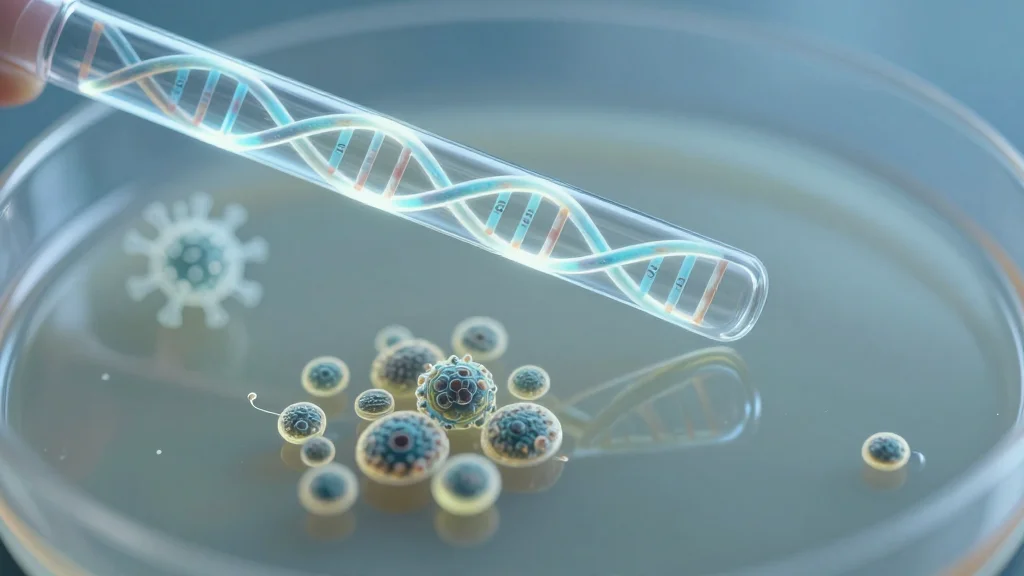
Bacterial Defense System Builds DNA in Unexpected New Way to Stop Viruses
Why It Matters
DRT3 reveals a new template‑free DNA synthesis pathway that could be harnessed for synthetic biology and antiviral engineering, reshaping how we think about bacterial immunity and programmable nucleic‑acid production.
Key Takeaways
- •DRT3 uses two reverse transcriptases to synthesize alternating GT/AC DNA.
- •Drt3b builds its strand using a protein‑templated mechanism, no RNA template.
- •The system protects E. coli from phages by detecting viral ST61 protein.
- •Potential biotech applications include programmable DNA synthesis and novel antiviral tools.
Pulse Analysis
The discovery of DRT3 adds a surprising twist to our understanding of nucleic‑acid biochemistry. Traditional models hold that DNA polymerases require a nucleic‑acid template, while non‑templated polymerases generate only short, repetitive sequences. DRT3’s Drt3b defies this paradigm by using its own three‑dimensional structure as a molecular mold, guiding the addition of nucleotides in a defined order. This protein‑templated synthesis expands the enzymatic repertoire available to cells and suggests that nature may have evolved more sophisticated ways to generate sequence‑specific DNA than previously recognized.
From a microbial defense perspective, DRT3 offers bacteria a highly specific countermeasure against phages that express the ST61 protein. By rapidly assembling a double‑stranded GT/AC repeat, the system likely interferes with viral replication, though the exact mechanism remains under investigation. The ability to transplant DRT3 into laboratory strains of E. coli and achieve robust phage resistance demonstrates its potential as a modular immunity module. Researchers could therefore engineer probiotic or industrial microbes with built‑in, programmable antiviral shields, reducing the risk of phage contamination in fermentation processes.
Beyond bacterial immunity, the protein‑templated DNA synthesis route opens avenues for synthetic biology and therapeutic development. Engineers might repurpose Drt3b to fabricate custom repeat sequences without the need for synthetic oligonucleotide templates, simplifying the production of DNA nanostructures or repetitive genetic elements. Moreover, the concept of a protein serving as a template could inspire novel antiviral strategies that mimic or inhibit similar pathways in pathogenic microbes. As the field explores the mechanistic details, DRT3 may become a cornerstone for next‑generation biotechnological tools, marrying natural defense mechanisms with human‑driven design.
Bacterial defense system builds DNA in unexpected new way to stop viruses
Comments
Want to join the conversation?
Loading comments...