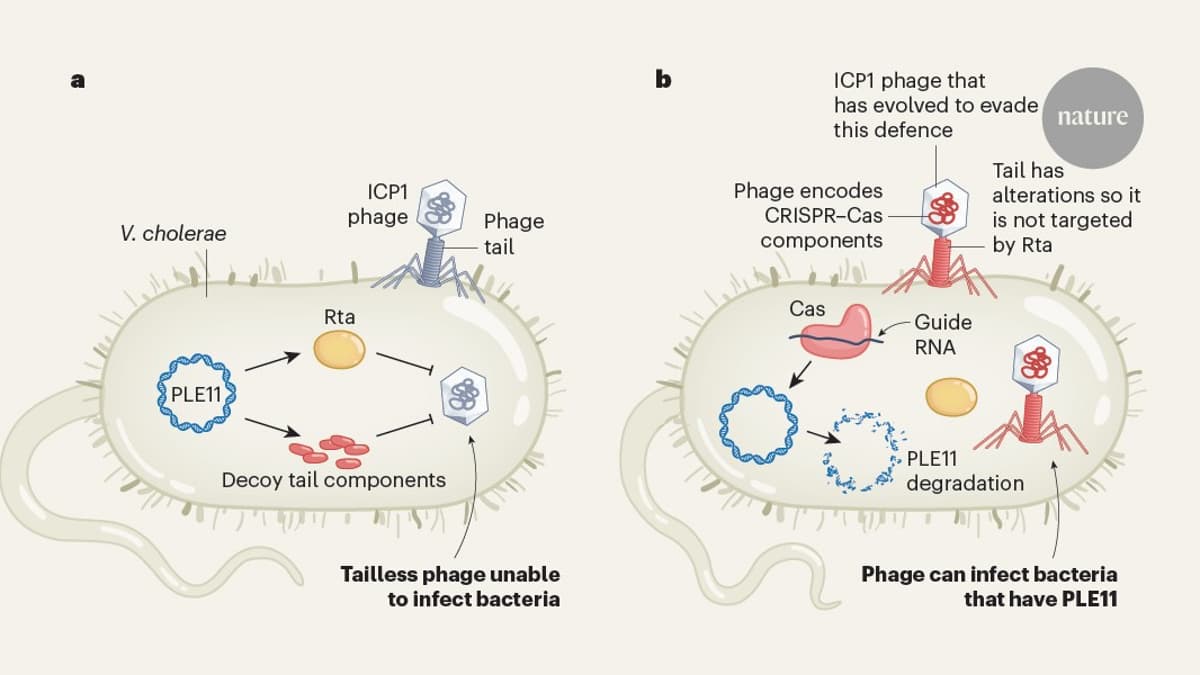
Bacterial−viral Conflicts Shape Cholera Evolution
Why It Matters
Understanding bacterial‑viral interactions offers a new lever for managing cholera spread, potentially improving outbreak prediction and informing phage‑based interventions. This insight reshapes public‑health approaches in regions where cholera remains endemic.
Key Takeaways
- •Phage predation drives rapid genetic shifts in Vibrio cholerae.
- •Genomic analyses reveal co‑evolutionary signatures across South Asian isolates.
- •Phage‑mediated killing can curb outbreak intensity in endemic zones.
- •Targeted phage therapy emerges as a complementary cholera control strategy.
- •Continuous surveillance needed to track bacterial‑viral arms race dynamics.
Pulse Analysis
The seventh cholera pandemic, now in its sixth decade, continues to exact a heavy toll in regions lacking reliable water infrastructure. While traditional control measures focus on sanitation and antibiotics, the latest research highlights a hidden battlefield: bacteriophages that hunt Vibrio cholerae in the environment and within human hosts. By sequencing thousands of bacterial genomes from the Ganges delta and other hotspots, scientists uncovered recurrent genetic changes that correspond to phage pressure, suggesting that the virus‑bacteria duel is a primary driver of pathogen evolution.
These discoveries have practical implications for public‑health policy. Phage‑mediated mortality can naturally dampen outbreak peaks, offering a biological brake that complements water‑treatment campaigns. Moreover, the identified genetic markers of phage resistance provide early warning signals for emerging, more virulent strains. Health agencies can integrate phage surveillance into existing genomic monitoring frameworks, enabling faster response to shifts that may herald larger epidemics. The research also fuels interest in engineered phage therapy, where tailored viral cocktails could be deployed alongside oral rehydration to directly target cholera bacteria in affected communities.
Looking ahead, sustained investment in environmental sampling and real‑time sequencing will be essential. As climate change reshapes water patterns, the dynamics between V. cholerae and its viral predators may intensify, altering disease geography. By treating the bacterial‑viral arms race as a core component of cholera ecology, scientists and policymakers can develop more resilient, adaptive strategies that reduce mortality and curb the spread of one of the world’s oldest scourges.
Bacterial−viral conflicts shape cholera evolution
Comments
Want to join the conversation?
Loading comments...