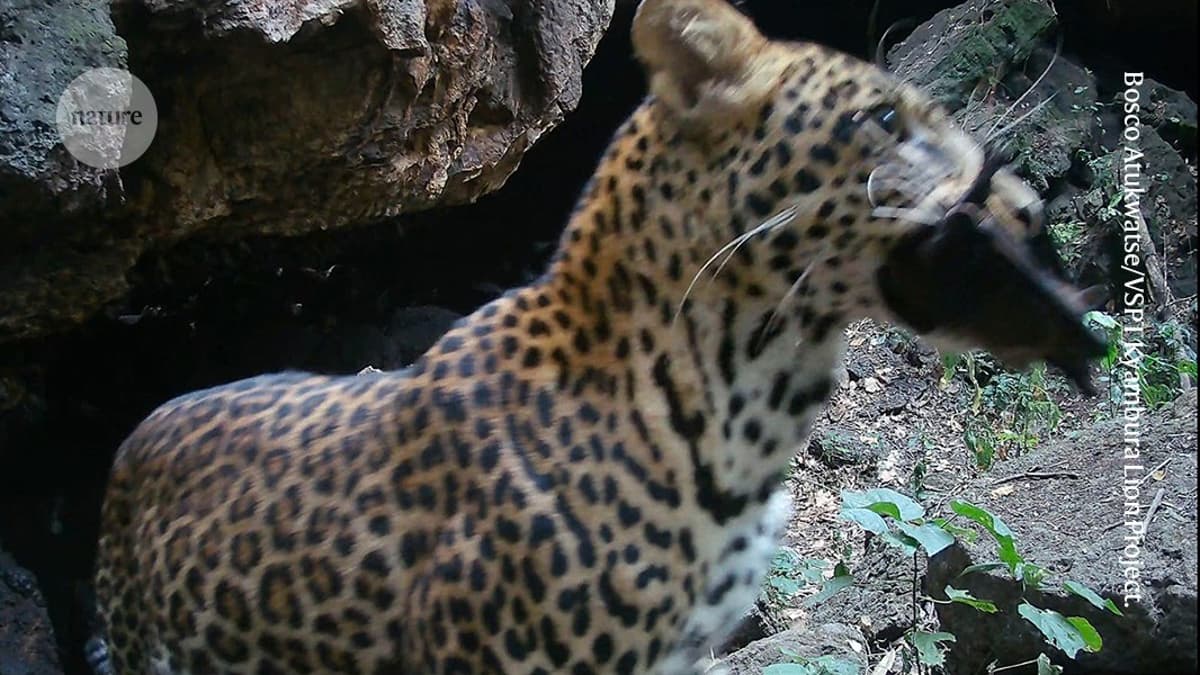
‘Bat Feast’ Animal Videos at African Cave Offer Clues to How Deadly Viruses Spread
Why It Matters
The observations reveal concrete pathways for Marburg virus spillover from bats to humans via intermediate predators, underscoring gaps in biosecurity at high‑risk wildlife sites. This knowledge can inform targeted surveillance and public‑health interventions to prevent future outbreaks.
Key Takeaways
- •Leopards observed hunting live bats, a behavior not previously documented
- •Ten predator species were filmed scavenging Marburg‑virus–carrying bats at Python Cave
- •200+ visitors entered the cave despite warnings and no masks
- •Cave exposure accounts for 43% of all recorded Marburg outbreaks since 1967
- •Study highlights need for stricter biosecurity and public education around bat habitats
Pulse Analysis
Marburg virus, a close relative of Ebola, has caused sporadic but lethal hemorrhagic fever outbreaks since the 1960s. Its natural reservoir, the Egyptian fruit bat, thrives in African cave systems, where humans can encounter the virus through aerosolized bat excreta. Understanding the ecological bridge between bats and people is essential for pandemic preparedness, yet direct evidence of intermediate animal hosts has been scarce. The new Ugandan footage fills that gap, showing how predators interact with infected bats in a real‑world setting.
The camera‑trap study recorded ten carnivores and primates feeding on or stealing bats from Python Cave, including a leopard that could consume dozens of bats in a single night. Such predation creates a plausible route for the virus to jump from bats to mammals that more frequently contact humans, like hyenas, monkeys, and eagles. By documenting these behaviors, researchers can prioritize which species to monitor for viral RNA, refining the chain‑of‑transmission models that guide field surveillance and vaccine development.
Equally alarming, more than 200 visitors entered the cave over four months, almost all without masks or other protective gear. Cave exposure has been linked to 43% of Marburg outbreaks, highlighting a critical public‑health blind spot. The findings call for stricter signage, mandatory personal protective equipment, and community education around bat‑infested sites. Policymakers and conservation groups must balance tourism with biosecurity, ensuring that the allure of wildlife does not become a conduit for deadly pathogens.
‘Bat feast’ animal videos at African cave offer clues to how deadly viruses spread
Comments
Want to join the conversation?
Loading comments...