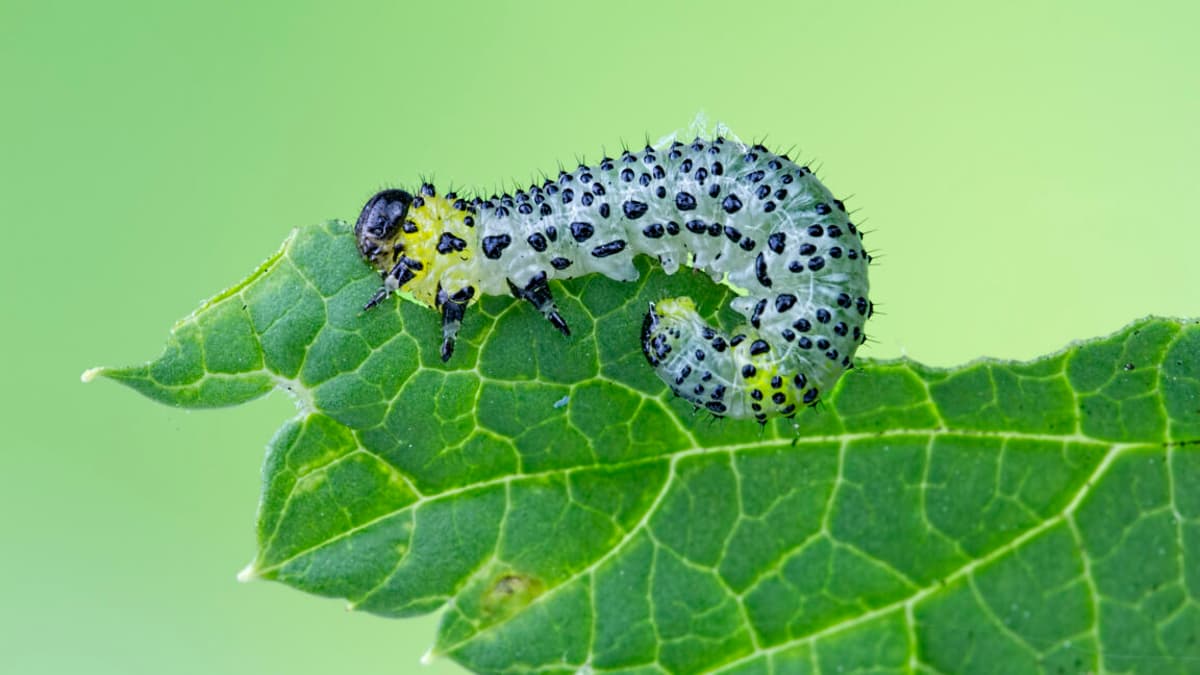
Beans Use an Immune Receptor to Call in Airstrikes on Caterpillars
Why It Matters
Understanding this receptor provides a concrete genetic lever to boost natural pest resistance, reducing reliance on synthetic pesticides and improving sustainable agriculture.
Key Takeaways
- •Inceptin receptor detects caterpillar peptide In11, activating plant immunity
- •Mutant beans grow 70% larger caterpillars due to missing receptor
- •Functional receptor releases volatiles that recruit predatory wasps
- •Breeding sibling lines isolated receptor’s effect without other genes
- •Potential to engineer beans with enhanced pest‑deterrent signaling
Pulse Analysis
Plants have long been known to emit volatile organic compounds that summon natural enemies of herbivores, but the precise molecular trigger remained elusive. Recent work by Adam Steinbrenner’s team at the University of Washington pinpointed the inceptin receptor on bean leaf cells as the key detector of a tiny peptide, In11, derived from caterpillar saliva. When In11 binds this receptor, a cascade of gene activation—over 500 genes—produces both direct chemical defenses and a distinctive scent blend that signals hungry wasps.
To prove causality, the researchers screened 89 Mesoamerican bean varieties and found a Honduran line (W6 13807) with a 103‑base‑pair deletion that disables the receptor. By crossing this mutant with a normal bean and backcrossing for several generations, they generated sibling plants that are genetically identical except for the functional receptor. Field trials in Oaxaca showed that caterpillars on mutant plants grew 70% faster, and the plants failed to emit the wasp‑attracting volatiles, leaving them largely ignored by predatory insects. This dual loss of direct and indirect defenses underscores the receptor’s central role in plant immunity.
The discovery opens a pathway for breeding or engineering crops that harness innate pest‑deterrent mechanisms. By re‑introducing a functional inceptin receptor—or mimicking its downstream volatile profile—farmers could reduce pesticide applications and improve yields. However, the broader spectrum of pests, especially specialists, and the exact downstream signaling remain open questions. Future research will need to map the full cascade from receptor activation to volatile synthesis, and test the approach across diverse crops, potentially reshaping sustainable pest management.
Beans use an immune receptor to call in airstrikes on caterpillars
Comments
Want to join the conversation?
Loading comments...