Behavioral Therapy + Transcutaneous Tibial Nerve Stimulation Best for Overactive Bladder
Why It Matters
The findings suggest a low‑cost, non‑pharmacologic option to enhance bladder control, potentially reducing reliance on medications with side effects in an aging female population.
Key Takeaways
- •TTNS plus behavioral therapy outperformed therapy alone in OAB symptom reduction
- •Study involved 38 older women, 19 per treatment arm
- •All quality‑of‑life measures improved; combination group showed broader benefits
- •TTNS offers a non‑invasive adjunct, feasible for geriatric care
Pulse Analysis
Overactive bladder (OAB) affects up to 30 % of women over 65, causing urgency, nocturia and accidental leakage that erode quality of life and increase health‑care utilization. First‑line management typically relies on behavioral therapy—pelvic floor exercises, bladder training and fluid management—because it avoids drug side effects and is inexpensive. However, many patients experience only modest improvement, prompting clinicians to explore adjunctive modalities that can amplify the benefits of behavioral interventions without adding pharmacologic risk.
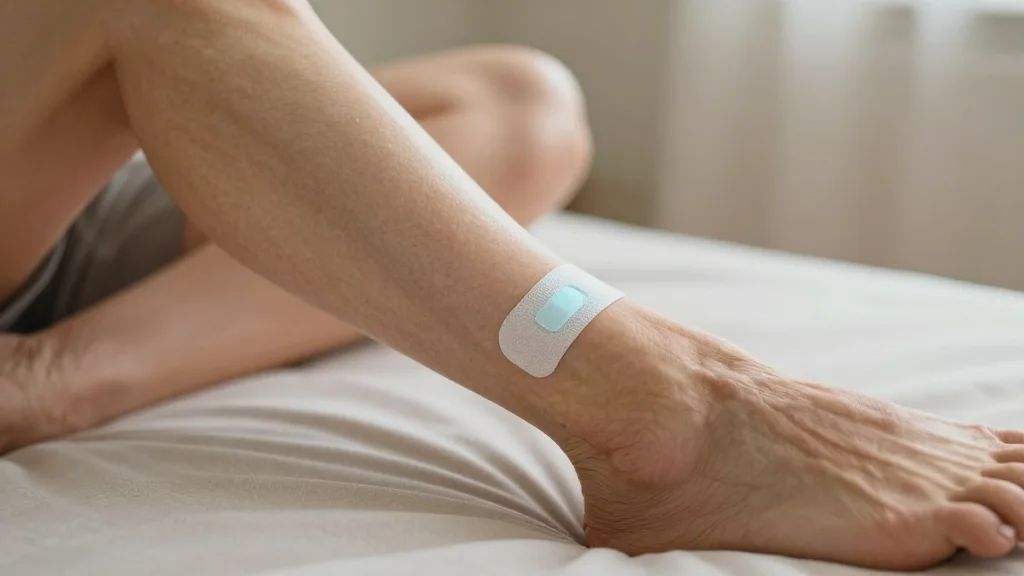
Transcutaneous tibial nerve stimulation (TTNS) delivers mild electrical pulses to the posterior tibial nerve, modulating sacral reflex pathways that control bladder storage. In a recent randomized controlled trial published in PLOS ONE, 38 older women were assigned to behavioral therapy alone or to behavioral therapy plus TTNS administered over several weeks. Both cohorts reported significant drops in International Consultation on Incontinence Questionnaire Overactive Bladder (ICIQ‑OAB) scores, yet the combination arm achieved statistically superior reductions across urgency, nocturia and incontinence episodes, confirming TTNS’s additive effect.
The study’s outcomes position TTNS as a practical, low‑cost adjunct that can be delivered in outpatient settings or even at home with portable devices. For health systems grappling with polypharmacy in aging populations, integrating TTNS could lower prescription rates for antimuscarinics and beta‑3 agonists, thereby reducing adverse events and medication expenditures. Further large‑scale trials are needed to refine optimal dosing schedules and to assess long‑term durability, but the current evidence already supports clinicians considering TTNS as part of a multimodal OAB strategy.
Behavioral therapy + transcutaneous tibial nerve stimulation best for overactive bladder
Comments
Want to join the conversation?
Loading comments...