Beyond DESs: Aqueous Redox‐Active Amino Chloride Salts for Efficient Hydrometallurgical Recycling of Lithium‐Ion Batteries
Why It Matters
The technology could dramatically cut processing time and energy costs, accelerating the supply of critical metals for the EV market.
Key Takeaways
- •HACl solution recovers ~65% metals from NMC111 in 1 min.
- •Redox-active amino chloride drives ultrafast leaching at room temperature.
- •Aqueous lixiviants avoid DES viscosity, reducing energy and equipment needs.
- •Study shows polarity/eutectic composition less critical than redox and pH.
- •Enables greener, scalable recycling for growing lithium‑ion battery demand.
Pulse Analysis
The surge in electric‑vehicle adoption has intensified pressure on lithium‑ion battery supply chains, making efficient recycling a strategic priority. Conventional hydrometallurgical routes often rely on strong acids or deep eutectic solvents (DES) that, while effective, demand high temperatures and suffer from viscous handling challenges. These operational constraints raise energy consumption and capital costs, limiting commercial scalability. Researchers therefore have been probing alternative lixiviants that combine high leaching efficiency with low environmental impact, seeking a solution that aligns with the industry’s sustainability goals.
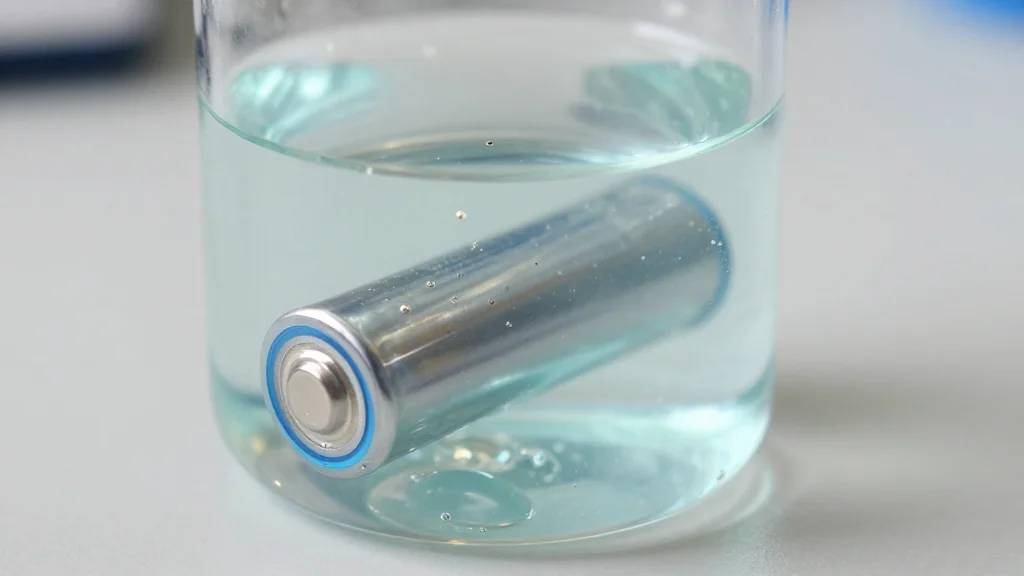
A breakthrough emerged from a study of aqueous amino chloride solutions, particularly hydroxylammonium chloride (HACl) dissolved in water. The HACl:H2O system leverages an intrinsic redox center that rapidly reduces transition‑metal oxides, enabling the extraction of roughly 65 % of nickel, cobalt, and manganese from NMC111 cathodes within a single minute at ambient temperature. Unlike DES, the aqueous medium exhibits low viscosity and high thermal conductivity, eliminating the need for heating and simplifying reactor design. The researchers demonstrated that pH balance and redox activity, rather than polarity or eutectic composition, drive the ultrafast leaching, reshaping the chemistry paradigm for battery recycling.
The implications for the battery value chain are significant. By slashing leaching time and operating at room temperature, HACl‑based processes can lower energy bills, reduce equipment wear, and accelerate material throughput, directly supporting the rapid scaling of recycling facilities. Moreover, the aqueous formulation aligns with existing water‑based processing infrastructure, easing integration for manufacturers. As the industry moves toward circular economies, such green, high‑speed lixiviants could become a cornerstone of sustainable battery stewardship, prompting further investment in pilot plants and encouraging policy frameworks that favor low‑impact recycling technologies.
Beyond DESs: Aqueous Redox‐Active Amino Chloride Salts for Efficient Hydrometallurgical Recycling of Lithium‐Ion Batteries
Comments
Want to join the conversation?
Loading comments...