Beyond Glucose: The Brain May Feed Itself
Why It Matters
Understanding the brain’s multi‑fuel strategy could reshape treatments for neurodegeneration, stroke, and cognitive decline by targeting metabolic cooperation, not just neuronal glucose uptake.
Key Takeaways
- •Astrocytes convert glucose to lactate, fueling neurons
- •Oligodendrocytes supply lactate to axons, supporting excitability
- •Marathon MRI shows temporary myelin loss, suggesting lipid fuel use
- •Myelin may act as an internal energy reserve during metabolic stress
Pulse Analysis
The classic model of brain energetics—glucose delivered by blood to neurons—has given way to a nuanced network where support cells play starring roles. Astrocytes absorb circulating glucose, partially converting it to lactate that neurons readily oxidize, a process known as the astrocyte‑neuron lactate shuttle. Parallelly, oligodendrocytes envelop axons with myelin and release lactate through monocarboxylate transporters, preserving axonal excitability and structural integrity during high‑frequency firing. This intercellular exchange expands the brain’s fuel palette beyond glucose, offering resilience when blood‑borne substrates falter.
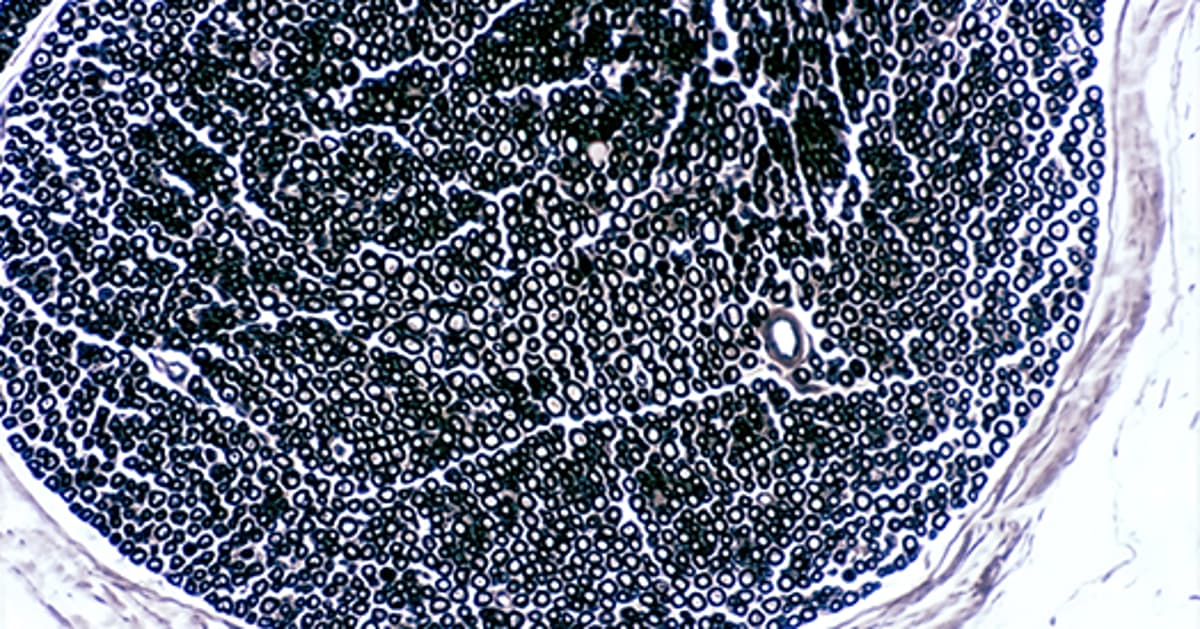
Compelling evidence now points to myelin itself as a potential energy depot. Magnetic resonance imaging of elite marathoners revealed a measurable dip in myelin content immediately after a race, with full recovery two months later, implying that lipid‑rich myelin may be mobilized under intense metabolic stress. Complementary mouse experiments show that, in the absence of glucose, myelin-derived lipids sustain optic nerve axons, and that myelin thins when its reserves are depleted. These findings blur the line between structural insulation and metabolic storage, suggesting the brain can draw on its own white‑matter scaffolding when external fuel wanes.
If the brain indeed leverages myelin as a fuel bank, therapeutic strategies must evolve. Protecting white‑matter health could preserve not only signal speed but also energetic stability, offering new angles for tackling Alzheimer’s, multiple sclerosis, and other disorders marked by metabolic dysfunction. Interventions that boost astrocyte‑oligodendrocyte cooperation—through exercise, ketogenic diets, or pharmacologic agents—might enhance the brain’s metabolic flexibility. Future research should prioritize imaging techniques that capture rapid shifts in myelin composition and explore how lifestyle factors condition this internal reserve, potentially ushering in a generation of treatments that target the brain’s energy logistics as much as its neuronal circuitry.
Beyond glucose: The brain may feed itself
Comments
Want to join the conversation?
Loading comments...