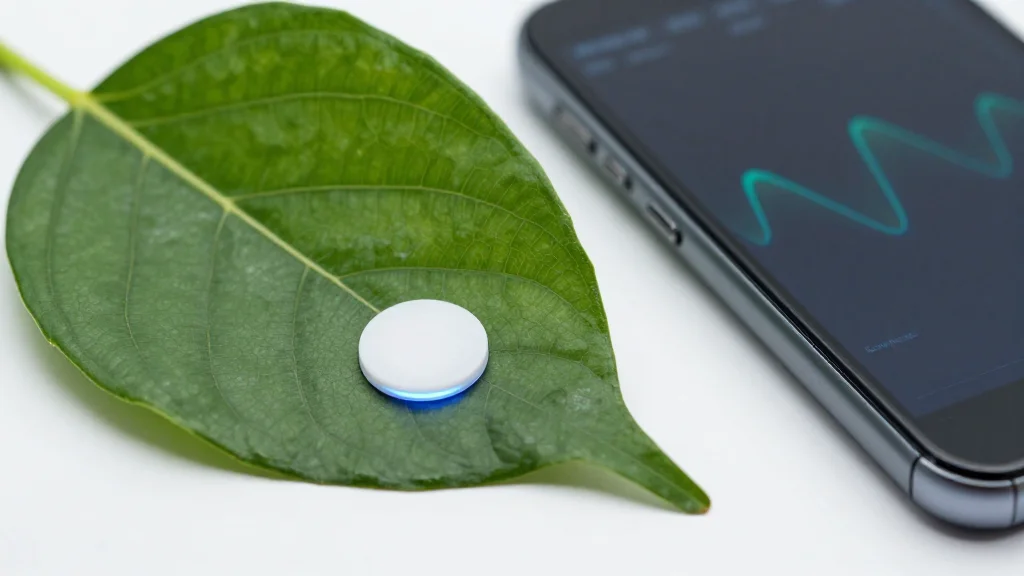
Biodegradable Sensors Attached to Plants Detect Pesticides in 3 Minutes
Why It Matters
Rapid, ultra‑low‑cost pesticide detection can curb residue violations, boost farm productivity, and reduce plastic waste, reshaping precision agriculture and food safety standards.
Key Takeaways
- •Sensors cost $0.00077 each, fully biodegradable
- •Detect three pesticide classes in under 3.5 minutes onsite
- •Printed on cellulose acetate, derived from agricultural waste streams
- •Integrated with Bluetooth potentiostat, displays results on smartphones
- •Can be adapted for saliva, tap water, urine and sweat testing
Pulse Analysis
The new wearable sensor leverages cellulose acetate—a plant‑derived polymer sourced from agricultural waste—to replace petroleum‑based plastics that dominate current agricultural monitoring tools. By screen‑printing carbon ink onto a flexible bioplastic substrate, the researchers achieve a disposable device that adheres to irregular leaf, stem, or bark surfaces without compromising signal integrity. The dual‑electrode design employs square‑wave and differential pulse voltammetry, enabling simultaneous detection of diquat, carbendazim, and diphenylamine. At a per‑unit cost of less than a tenth of a cent, the technology undercuts traditional laboratory assays, which can run into hundreds of dollars per sample, while delivering results in under four minutes.
For growers, the sensor’s speed and affordability translate into actionable insights that can be taken directly to the field. Real‑time pesticide residue data helps farmers avoid costly market rejections, meet tightening regulatory limits, and optimize spray schedules to reduce chemical usage. The biodegradable nature of the platform aligns with sustainability goals, addressing the growing concern over plastic pollution in agro‑ecosystems. Brazil, which derives a significant share of its GDP from agriculture, stands to benefit from a home‑grown solution that can be scaled across its vast soy, coffee, and fruit sectors, potentially enhancing export competitiveness.
Beyond crops, the sensor’s versatility opens doors to public‑health monitoring. Preliminary tests show reliable detection of the same pesticide markers in human saliva, tap water, urine, and sweat, suggesting a unified platform for environmental and biomedical screening. Commercialization will hinge on integrating the sensor with existing portable potentiostats and establishing supply chains for the cellulose acetate substrate. Challenges include ensuring consistent sensor performance across diverse field conditions and navigating regulatory approvals for both food‑safety and medical applications. Nonetheless, the convergence of low‑cost manufacturing, rapid analytics, and eco‑friendly materials positions this technology as a catalyst for next‑generation precision agriculture and broader environmental health monitoring.
Biodegradable sensors attached to plants detect pesticides in 3 minutes
Comments
Want to join the conversation?
Loading comments...