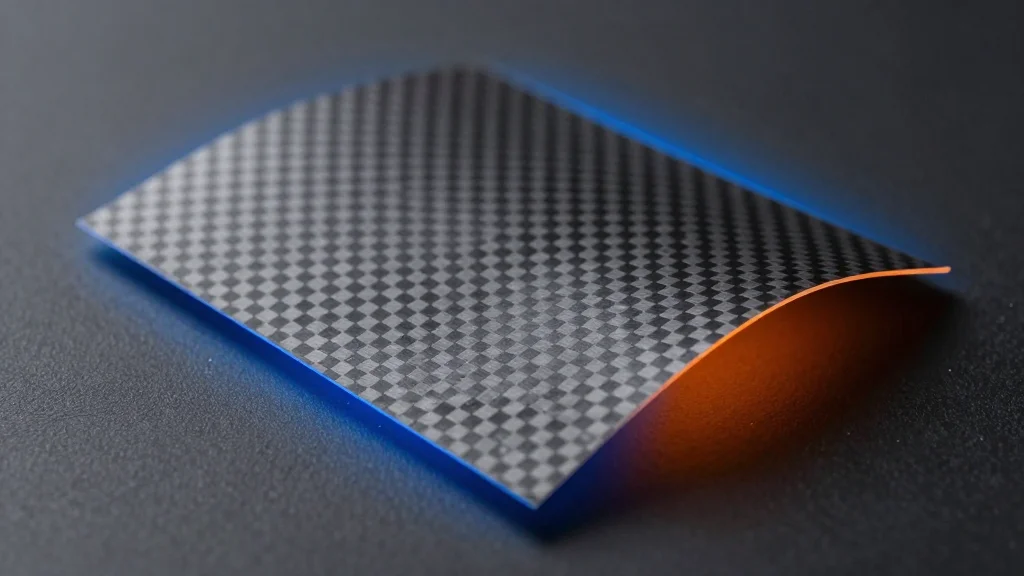
Bionic Engineering Strategy for Preparing Flexible Carbon Paper From Waste Polypropylene: Excellent Electromagnetic Shielding Performance and Multifunctional Integration
Why It Matters
The breakthrough turns abundant plastic waste into a high‑performance EMI shield, addressing both electronic device reliability and circular‑economy goals. Its multifunctionality accelerates the adoption of flexible, sustainable components in next‑generation wearables.
Key Takeaways
- •Waste polypropylene turned into conductive carbon paper
- •Brick‑mortar structure yields 7,735 S m⁻¹ conductivity
- •EMI shielding reaches 58.8 dB across X‑band
- •Material offers joule heating, water repellency, and breathability
- •Scalable process supports circular economy for plastics
Pulse Analysis
Electromagnetic interference (EMI) shielding has become a critical design constraint as wireless devices proliferate, especially in the burgeoning wearable market. Traditional metal‑based shields are heavy, rigid, and environmentally taxing, prompting researchers to explore lightweight, flexible alternatives. Converting waste polypropylene—a dominant component of single‑use plastics—into a carbon‑rich substrate aligns with global efforts to reduce landfill burden while delivering the electrical performance required for modern electronics. By mimicking the nacre‑inspired brick‑mortar architecture, the new PP‑CP material leverages a heterogeneous swelling mechanism that simultaneously creates micro‑cracks and embeds short‑cut carbon fibers, forming a three‑dimensional conductive network.
The resulting PP‑CP exhibits a remarkable conductivity of 7,735 S m⁻¹, rivaling many engineered carbon composites. Its EMI shielding effectiveness (SE) averages 58.8 dB across the X‑band (8‑12 GHz), translating to over 99.999% attenuation of incident electromagnetic waves. Moreover, the paper’s specific SE (SSE/t) reaches 6,642 dB·cm² g⁻¹, indicating exceptional performance per unit weight and thickness. Beyond shielding, the material demonstrates rapid joule heating, inherent hydrophobicity, and breathability—attributes essential for comfortable, long‑term wear in smart textiles. These multifunctional traits stem from the synergistic interaction between the carbonized polypropylene matrix and the embedded carbon fibers, which together maintain structural flexibility while preserving electrical pathways.
From a commercial perspective, PP‑CP offers a scalable, low‑cost solution that dovetails with circular‑economy initiatives. Its production relies on existing polymer recycling streams and standard sulfonation equipment, minimizing capital investment. As wearable electronics demand ever‑thinner, more adaptable components, manufacturers can integrate PP‑CP as a dual‑function layer that shields sensitive circuitry and provides thermal management without compromising garment comfort. The technology also opens avenues for smart‑home fabrics, aerospace interiors, and automotive interiors where EMI mitigation and lightweight design are paramount. Continued optimization—such as tailoring fiber orientation or incorporating additional functional coatings—could further boost performance, positioning PP‑CP as a cornerstone material in the next wave of sustainable, high‑tech applications.
Bionic Engineering Strategy for Preparing Flexible Carbon Paper From Waste Polypropylene: Excellent Electromagnetic Shielding Performance and Multifunctional Integration
Comments
Want to join the conversation?
Loading comments...