Bionic Tech Must Prove Itself Beyond the Lab
Why It Matters
Real‑world performance will dictate market adoption and investment in exoskeletons and brain‑computer interfaces, shaping the future of disability tech.
Key Takeaways
- •Real-world testing reveals exoskeletons halt on minor slopes.
- •Users act as beta testers, driving incremental improvements.
- •IEEE Spectrum launches Taenzer Fellowship for disability-focused journalism.
- •Success hinges on reliability beyond controlled demos.
- •Adoption depends on cost, effort, and long-term durability.
Pulse Analysis
The hype surrounding powered exoskeletons and brain‑computer interfaces often eclipses the gritty reality of daily use. Early prototypes dazzled investors and media with the promise of restoring mobility, yet most demonstrations occurred in controlled labs where variables are tightly managed. This environment masks issues such as sensor sensitivity, battery life, and the physical effort required to operate the devices, leaving a gap between headline‑grabbing feats and sustainable solutions.
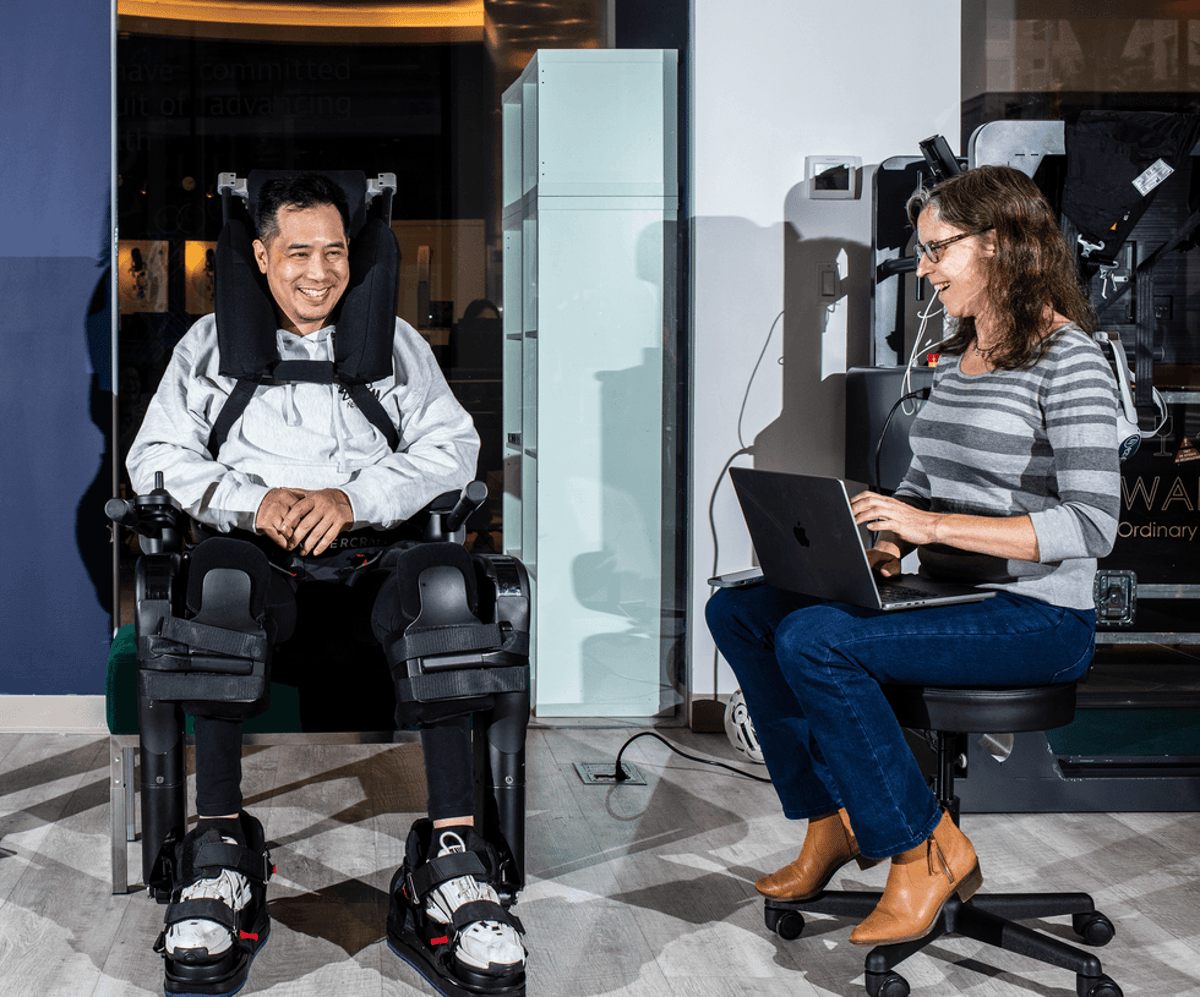
Robert Woo’s 15‑year journey epitomizes the user‑centric lens needed to bridge that gap. As a self‑identified “super‑user,” Woo has logged countless hours in various exoskeleton models, providing continuous feedback that fuels incremental design tweaks. His recent encounter with a Wandercraft self‑balancing unit exposed a critical flaw: a mere inch of sidewalk incline triggered safety shutdowns, halting progress. Such anecdotes underscore that the ultimate test for bionic tech is not a single showcase but consistent performance across everyday terrains, weather conditions, and user skill levels.
Beyond engineering, the narrative highlights the growing importance of disability‑engaged journalism. IEEE’s Taenzer Fellowship equips writers with lived experience to scrutinize assistive technologies, ensuring coverage moves past techno‑solutionism toward practical impact. For investors and manufacturers, this user‑first approach signals that market viability hinges on durability, cost‑effectiveness, and genuine improvement in quality of life. As the industry matures, products that survive the hundredth trial—not just the first—will capture both public trust and commercial success.
Bionic Tech Must Prove Itself Beyond the Lab
Comments
Want to join the conversation?
Loading comments...