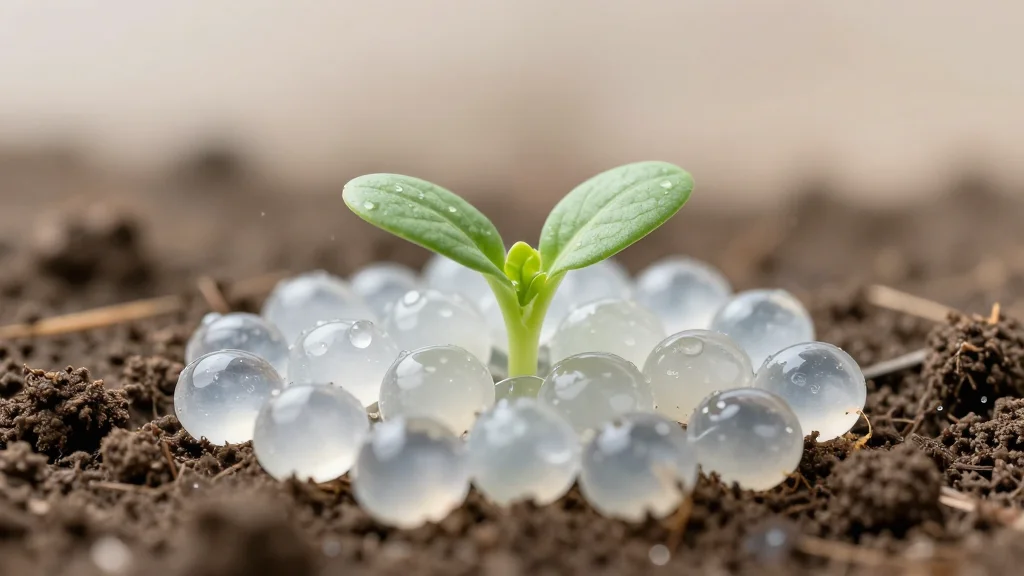
Biopolymer-Based Hydrogel Formulations for Improved Seed Coating Performance
Why It Matters
Biodegradable hydrogel seed coatings boost germination and water efficiency, offering a greener alternative to synthetic polymers for water‑stressed regions.
Key Takeaways
- •Hydrogels absorb 17.5 g water per gram material
- •Biodegradation reaches ~67 % in soil after study
- •Seed coating doubles sugar beet seedling length
- •Starch‑CMC blend offers renewable alternative to petrochemical superabsorbents
- •Wood ash addition supplies minerals while hydrogel retains moisture
Pulse Analysis
Water scarcity and soil degradation are forcing farmers to adopt precision inputs that conserve resources while maintaining yields. Seed‑coating technologies have emerged as a frontline solution, delivering moisture, nutrients, and protective agents directly to the germinating embryo. The new starch‑carboxymethyl cellulose (CMC) hydrogel platform builds on this trend by using fully renewable polymers, positioning it as a low‑impact alternative to conventional petroleum‑derived superabsorbents that often linger in the environment.
The hydrogel’s performance hinges on its remarkable swelling capacity—up to 17.5 g of water per gram of polymer—enabled by a porous, cross‑linked network observed under electron microscopy. Equally important is its rapid biodegradation, with roughly two‑thirds of the material breaking down in soil within the study period, mitigating long‑term plastic buildup. By integrating wood ash, the formulation adds potassium, calcium, and phosphorus, creating a multifunctional coating that simultaneously supplies moisture and essential minerals. Compared with untreated seeds, sugar beet seedlings coated with the optimal blend reached six centimeters, double the growth of controls, underscoring the practical agronomic benefit.
Commercial adoption will depend on scaling the synthesis, ensuring mechanical stability during handling, and navigating regulatory scrutiny over residual cross‑linkers. Nonetheless, the technology aligns with growing consumer and policy demand for sustainable inputs, offering a pathway to reduce reliance on synthetic polymers while enhancing crop establishment in arid regions. Continued field trials and cost‑optimization could see these biopolymer hydrogels become a staple in seed‑coating kits, driving both environmental and economic gains for modern agriculture.
Biopolymer-based hydrogel formulations for improved seed coating performance
Comments
Want to join the conversation?
Loading comments...