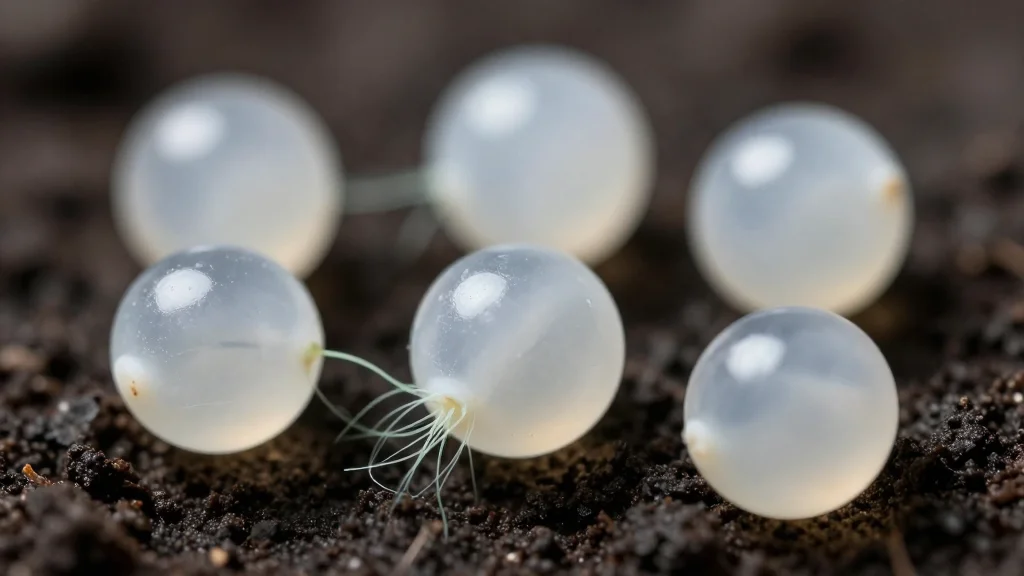
Biopolymer Beads Extend Fungus Bioinsecticide Shelf Life and Release
Why It Matters
Longer shelf life and controlled release lower costs and environmental impact, making fungal bioinsecticides more competitive with chemical pesticides.
Key Takeaways
- •Aluminum-based beads keep shape, improve uniformity.
- •Viability rose from 69% to 85% after five months.
- •Simple ionotropic gelation enables scalable production.
- •Aluminum beads show higher thermal stability and water retention.
- •Field trials planned to assess real‑world efficacy.
Pulse Analysis
Fungal bioinsecticides such as Beauveria bassiana have gained traction as eco‑friendly alternatives to synthetic chemicals, yet their commercial adoption has been hampered by rapid loss of viability during storage. Traditional formulations often require cold chains and multiple field applications, driving up logistics costs and limiting reach to smallholder farms. Extending shelf life while ensuring a steady release of active spores addresses these pain points, positioning bio‑based solutions as viable mainstays in integrated pest management strategies.
The breakthrough stems from a straightforward ionotropic gelation technique that drops a carboxymethylcellulose solution into an aluminum cross‑linker, forming spherical microbeads with a polymer shell. Compared with calcium‑cross‑linked beads, the aluminum variant retains its geometry, exhibits smoother surface morphology, and offers superior thermal stability and water‑holding capacity. In vitro assays demonstrated a jump in spore viability from 69% to 85% after five months at –18 °C, a significant improvement that could translate into longer shelf periods under typical refrigeration or even ambient conditions.
If field trials confirm laboratory performance, the process promises easy scale‑up, reducing production costs and enabling broader distribution across diverse crops and livestock settings. Farmers could apply the product less frequently, decreasing labor and equipment use while minimizing non‑target impacts. The technology also opens doors for encapsulating other beneficial microbes, potentially expanding the bio‑control toolbox and accelerating the shift toward sustainable agriculture worldwide.
Biopolymer beads extend fungus bioinsecticide shelf life and release
Comments
Want to join the conversation?
Loading comments...