Bird Species That Invest More Energy in Parenting Experience Faster Aging
Why It Matters
The findings quantify the trade‑off between reproductive effort and longevity, a cornerstone of evolutionary biology, and offer a tangible model for aging research across species. Understanding this balance helps predict population responses to environmental pressures and informs broader discussions on aging mechanisms.
Key Takeaways
- •Large-egg quails live ~20% shorter (≈595 vs 770 days)
- •Selection for egg size accelerated biological aging in females
- •Male lifespan unchanged despite selection pressure
- •Study validates core life‑history trade‑off in vertebrates
- •Model offers platform for aging mechanism research
Pulse Analysis
Life‑history theory has long posited that organisms face a zero‑sum game between reproduction and somatic maintenance. While the concept is well‑established in ecological textbooks, empirical proof—especially in vertebrates—has been scarce. The Exeter team’s quail experiment bridges that gap, showing that allocating extra resources to eggs directly compromises cellular repair and immune function, thereby hastening senescence. This real‑world validation reshapes how biologists think about the energetic calculus that drives evolution.
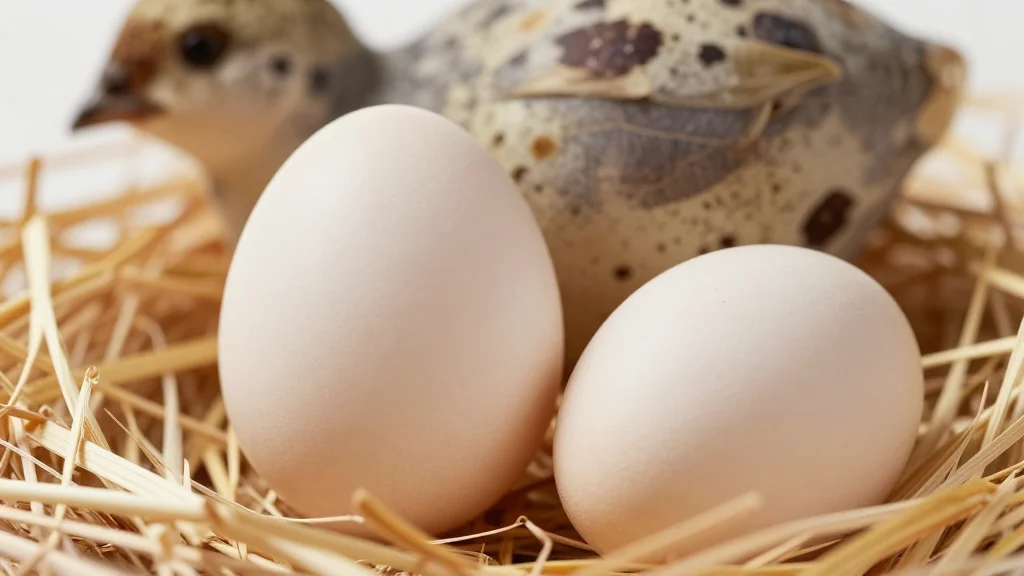
The researchers employed artificial selection over five to six generations, creating two divergent lines: one producing larger eggs and the other smaller ones. Female quails from the large‑egg line not only laid more resource‑rich offspring but also exhibited a 20% reduction in lifespan, dying on average 175 days earlier. Physiological analyses linked this decline to diminished cell‑maintenance pathways and weaker immune defenses. Interestingly, males—who naturally invest less in parental care—did not display a measurable lifespan shift within the study’s timeframe, underscoring the sex‑specific nature of the trade‑off. The rapid genetic response observed suggests that natural populations could evolve similarly under strong reproductive pressures.
Beyond avian biology, the study’s implications ripple through conservation, wildlife management, and even human health research. Species facing environmental changes that favor higher reproductive output may experience faster population turnover, affecting ecosystem stability. Moreover, the quail model offers a scalable platform to dissect molecular aging pathways that could translate to mammals, including humans. Future work may explore how manipulating reproductive investment interacts with diet, stress, and genetic background, potentially unveiling interventions that decouple reproduction from premature aging.
Bird Species That Invest More Energy in Parenting Experience Faster Aging
Comments
Want to join the conversation?
Loading comments...