Birds of Prey in South Africa Are in Trouble – a Study Analyses Data From 16 Years of Road Counts
Why It Matters
The rapid declines jeopardize ecosystem services provided by top predators and scavengers, and may force a reassessment of threat listings and urgent conservation action across breeding, non‑breeding and migratory zones.
Key Takeaways
- •13 of 26 raptor species declined over 16 years in South Africa.
- •Half of declining species dropped more than 50% in population.
- •Migratory raptors like lesser kestrel, amur falcon showed steep declines.
- •Resident jackal buzzard, Verreaux’s eagle and secretarybird fell >50%.
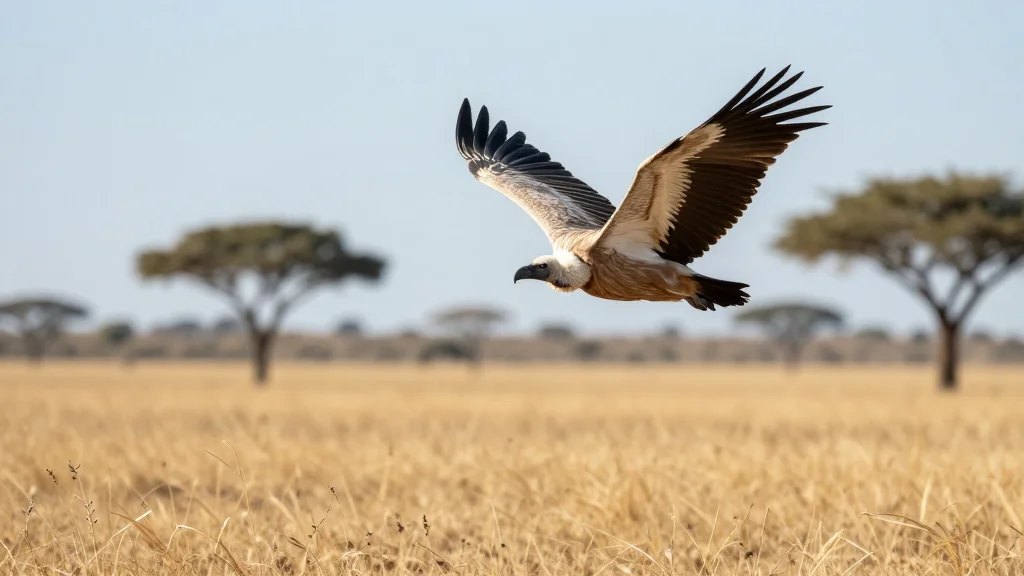
- •White-backed vulture increased locally despite its global critically endangered status.
Pulse Analysis
Road‑count surveys, where observers record birds from vehicles traveling fixed routes, have become a cost‑effective way to monitor wide‑ranging raptors. In South Africa, a dedicated field officer logged almost 400,000 km between 2009 and 2025, providing a rare longitudinal dataset for 26 species of birds of prey and large scavengers. By standardising observations per 100 km driven, the researchers could compare abundance trends over time, offering an early‑warning system that complements static atlas data and fills a critical monitoring gap for the Global South.
The analysis revealed a stark picture: 13 species showed statistically significant declines, and 42% of all examined taxa lost more than half of their recorded numbers. Migratory specialists such as the lesser kestrel, Amur falcon and steppe buzzard were among the worst affected, echoing similar downturns reported on their northern breeding grounds. Resident predators—including the jackal buzzard, Verreaux’s eagle and the iconic secretarybird—also fell sharply, suggesting that local pressures are eroding populations even without major land‑use change. In contrast, the white‑backed vulture and greater kestrel displayed modest recoveries, highlighting that targeted interventions can yield positive outcomes for even the most threatened species.
These trends cannot be viewed in isolation. Across Africa, expanding human populations, intensified agriculture, expanding energy infrastructure and climate‑driven habitat shifts are converging on raptor habitats. While the study area has not seen dramatic land‑use conversion, subtle pressures such as illegal persecution, power‑line electrocution and wind‑farm collisions likely contribute to the observed declines. The findings underscore the urgency of scaling up reliable, low‑cost monitoring tools and integrating them into regional conservation planning. Policymakers must prioritize habitat protection along migratory corridors, mitigate infrastructure mortality, and reassess the Red List status of declining species before the losses become irreversible.
Birds of prey in South Africa are in trouble – a study analyses data from 16 years of road counts
Comments
Want to join the conversation?
Loading comments...