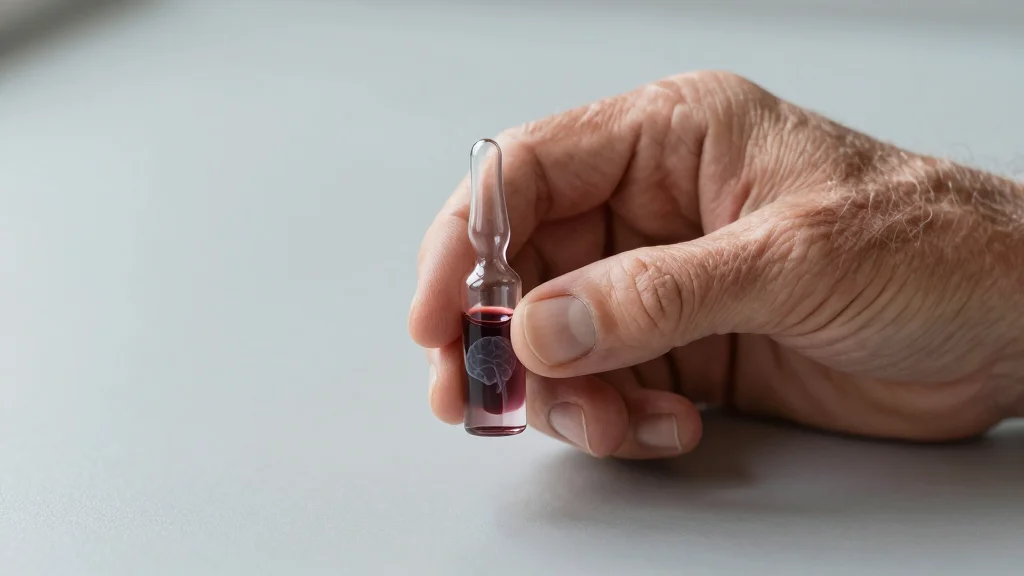
Blood Samples Uncover Concussion in Older Adults, Offering More Objective Diagnosis
Why It Matters
An objective biomarker cuts diagnostic ambiguity for seniors, enabling faster, more accurate treatment and potentially lowering healthcare costs associated with missed concussions.
Key Takeaways
- •GFAP protein levels rise in older adults with concussion
- •Study of 89 patients aged 60‑84 validated blood test accuracy
- •Objective test could speed diagnosis in emergency departments
- •Potential use by paramedics for rapid concussion screening
- •Improves treatment decisions, reducing fall‑related complications
Pulse Analysis
Concussion, technically mild traumatic brain injury, has become a silent epidemic among seniors. People over 60 experience the highest hospitalization and mortality rates from head trauma, yet symptoms such as memory lapses, fatigue, and concentration problems overlap with normal aging. Clinicians therefore rely heavily on patient self‑reporting, which is often unreliable when cognition is already compromised. The lack of an objective diagnostic tool not only delays treatment but also inflates healthcare costs through unnecessary imaging and repeat visits. Addressing this diagnostic gap is essential for improving outcomes in a rapidly growing elderly demographic.
Researchers at Monash University and The Alfred have identified glial fibrillary acidic protein (GFAP) as a promising plasma biomarker for concussion in seniors. In a JAMA Open Network study of 89 patients aged 60‑84, GFAP concentrations were significantly higher in those with confirmed head injury compared with controls, demonstrating clear diagnostic discrimination. The assay can be performed with a standard blood draw, delivering results within minutes—far faster than CT scans or neuro‑psychological evaluations. By mirroring the success of GFAP testing in younger athletes, this approach offers a scalable, objective measure that fits seamlessly into emergency department protocols.
Beyond hospitals, the GFAP test could empower first responders to triage head injuries on scene, shortening the time to definitive care for a population prone to falls and comorbidities. Early, accurate identification of concussion enables targeted monitoring, reduces unnecessary radiation exposure, and informs rehabilitation strategies that preserve mobility and independence. As the global population ages, demand for rapid, cost‑effective diagnostic tools is set to rise, opening commercial opportunities for point‑of‑care platforms and companion analytics. Continued validation in larger, diverse cohorts will be critical, but the current findings mark a pivotal step toward objective concussion management for older adults.
Blood samples uncover concussion in older adults, offering more objective diagnosis
Comments
Want to join the conversation?
Loading comments...