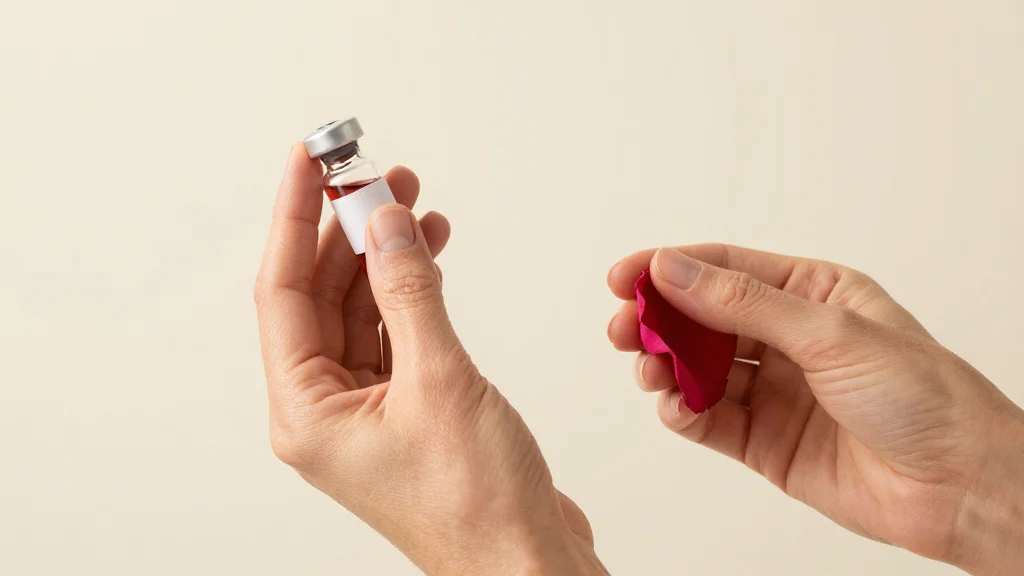
Blood Tests for Testosterone Cannot Diagnose Low Sexual Desire in Midlife Women
Why It Matters
The findings challenge a long‑standing clinical practice of using testosterone blood tests to identify women who might benefit from hormone therapy, urging a shift toward broader psychosocial assessment. This could reduce unnecessary testing and improve personalized care for midlife women experiencing sexual difficulties.
Key Takeaways
- •Blood testosterone does not predict low sexual desire in midlife women
- •Advanced mass spectrometry revealed only weak links to arousal and orgasm
- •Hormone testing cannot guide testosterone therapy decisions for individual patients
- •Study included 731 Australian women across pre‑ and post‑menopause
- •Findings highlight need to focus on psychosocial factors in treatment
Pulse Analysis
The belief that low circulating testosterone drives diminished libido in women has guided prescribing habits for decades, yet the new Australian Women’s Midlife Years Study upends that narrative. By recruiting a demographically representative cohort of 731 women and employing liquid chromatography‑tandem mass spectrometry—the gold standard for measuring trace hormones—the researchers eliminated many methodological flaws of earlier work. Their rigorous design excluded participants on hormone therapy, with thyroid or psychiatric disorders, ensuring that observed hormone levels reflected natural physiology rather than medication effects.
Results were unequivocal: testosterone, dehydroepiandrosterone, and androstenedione showed no meaningful association with sexual desire, regardless of menopausal stage. Only modest, nonlinear relationships emerged for arousal and orgasm, accounting for a tiny fraction of variance. These patterns suggest that circulating hormone concentrations are poor proxies for the localized hormone activity that actually modulates sexual response in brain, vaginal, and adipose tissues. Consequently, a simple blood draw cannot reliably identify women who will benefit from testosterone supplementation, calling into question routine screening protocols.
Clinicians should therefore pivot from hormone‑centric diagnostics to a more holistic evaluation that incorporates psychological, relational, and lifestyle factors. Future research may explore longitudinal hormone trajectories, tissue‑specific hormone synthesis, and randomized trials of testosterone therapy without baseline hormone screening. Until such evidence accrues, the medical community is urged to reserve testosterone testing for research settings rather than as a standard clinical tool, thereby avoiding unnecessary costs and potential misinterpretation of lab results.
Blood tests for testosterone cannot diagnose low sexual desire in midlife women
Comments
Want to join the conversation?
Loading comments...