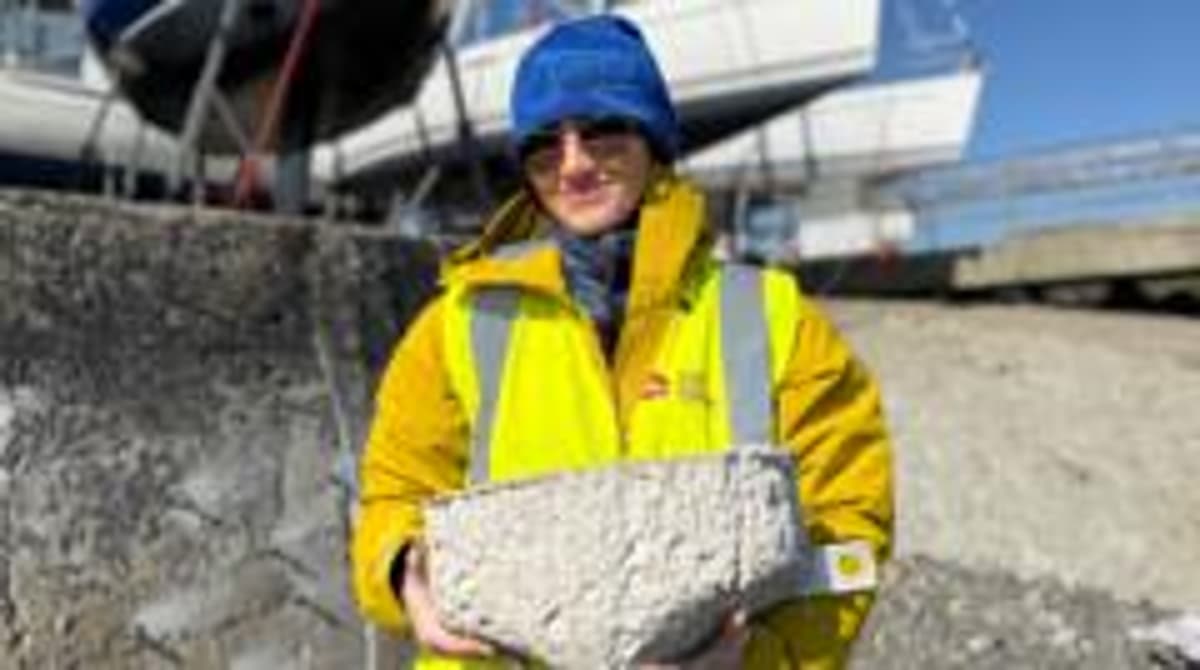
Boats to Rock Pools: Marine Makeover for Yacht Club Seawall
Why It Matters
The installation demonstrates a scalable, low‑cost method to restore marine ecosystems on man‑made structures, addressing climate‑driven habitat loss. Success could inspire similar projects across the UK and beyond, linking conservation with community engagement.
Key Takeaways
- •First vertipools installed in Northern Ireland at Strangford Yacht Club
- •Ten concrete rock pools aim to boost intertidal biodiversity
- •Project part of ‘Greening the Grey’ initiative to enhance marine habitats
- •Researchers expect barnacles, algae, crabs within a year
- •Vertipools serve as education tool and invasive‑species monitoring site
Pulse Analysis
Artificial rock pools, or vertipools, are emerging as a pragmatic solution for coastal biodiversity loss, especially as climate change drives sea‑temperature rises and habitat degradation. By attaching rugged concrete basins to existing seawalls, the Strangford Yacht Club project leverages already‑present infrastructure, sidestepping the high costs and regulatory hurdles of new marine protected areas. Early studies from Bournemouth University suggest such structures can quickly attract sessile organisms—barnacles, algae, and small crustaceans—creating micro‑ecosystems that ripple outward, supporting larger food webs and enhancing overall species richness.
The initiative aligns with broader European trends toward "green infrastructure," where engineered solutions double as ecological assets. The UNESCO‑designated Mourne Gullion Strangford Geopark’s involvement underscores the project's credibility and its potential to serve as a model for other geoparks and coastal communities. Beyond ecological gains, the vertipools provide a tangible educational platform; club members and local schools can observe marine life development firsthand, fostering stewardship among younger generations. Moreover, the pools act as sentinel sites for invasive species, enabling early detection and rapid response—a critical component of marine biosecurity.
If the pilot delivers measurable biodiversity improvements within its first year, it could catalyze policy shifts toward integrating artificial habitats into coastal defense planning. Municipalities and yacht clubs across the UK may adopt similar designs, turning grey concrete barriers into vibrant, living shorelines. Such adoption would not only mitigate the ecological footprint of existing sea defenses but also generate ancillary benefits, including tourism appeal and community pride, reinforcing the economic case for nature‑based solutions.
Boats to rock pools: Marine makeover for yacht club seawall
Comments
Want to join the conversation?
Loading comments...