Body Roundness Index Outperforms BMI in Predicting Depression Risk for Dementia Patients
Why It Matters
Early detection of depression in dementia can improve treatment outcomes and lessen caregiver strain; BRI offers a simple, objective metric linking metabolic health to neuropsychiatric risk.
Key Takeaways
- •BRI correlates with depression in dementia, BMI does not
- •Highest BRI quartile triples depression odds after adjustments
- •Study based on 239 dementia patients from Brazilian memory clinic
- •Cross‑sectional design limits causal inference, needs longitudinal validation
- •Simple waist‑height measurement could aid routine dementia care
Pulse Analysis
Depression affects up to one‑third of people living with dementia, compounding cognitive decline and increasing healthcare costs. While clinicians routinely monitor physical health, the metabolic underpinnings of mood disorders in older adults have received less attention. Emerging evidence links central adiposity—fat stored around the abdomen—to chronic inflammation, a known driver of both neurodegeneration and depressive symptomatology. Understanding these pathways is essential for a holistic approach to dementia care, especially as the global population ages.
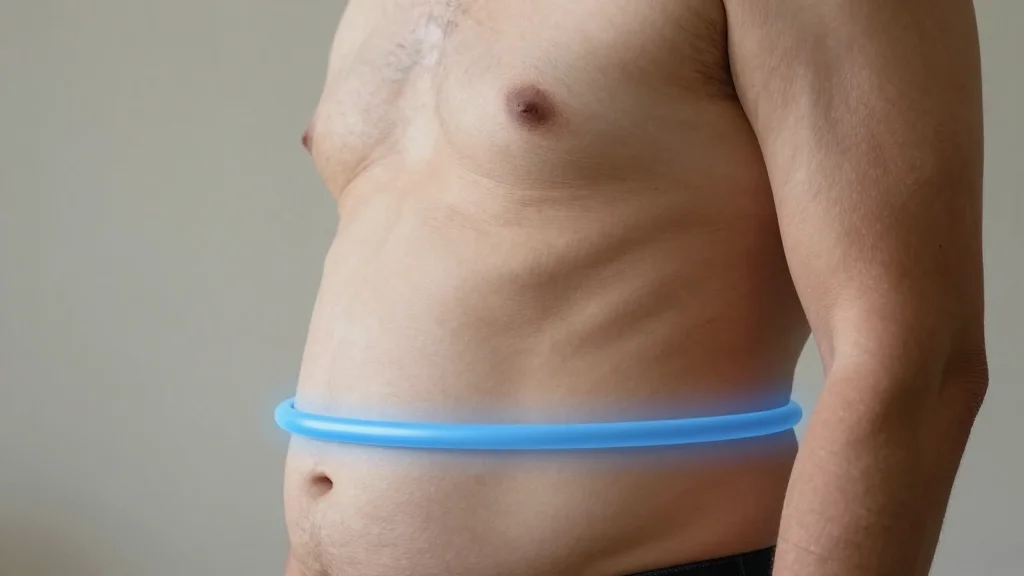
The Body Roundness Index, which combines height and waist circumference into an oval‑shape model, captures central fat distribution more precisely than BMI. In the Brazilian cohort, participants with the highest BRI scores faced over threefold higher odds of meeting clinical criteria for depression, even after adjusting for age, sex, education, and comorbidities. Traditional metrics like BMI and simple waist circumference failed to reveal any significant relationship, highlighting BRI’s superior sensitivity in this vulnerable group. These results underscore that subtle variations in body shape can serve as early warning signs of neuropsychiatric risk.
If validated in longitudinal studies, BRI could be integrated into routine geriatric assessments, enabling clinicians to flag patients who may benefit from targeted nutritional, physical, or pharmacologic interventions. The simplicity of measuring waist and height makes the index feasible for primary‑care settings and memory clinics alike. Moreover, the research opens avenues for exploring how diet, exercise, and body composition influence the trajectory of dementia‑related depression, potentially informing public‑health strategies aimed at reducing the dual burden of metabolic and cognitive disorders.
Body roundness index outperforms BMI in predicting depression risk for dementia patients
Comments
Want to join the conversation?
Loading comments...