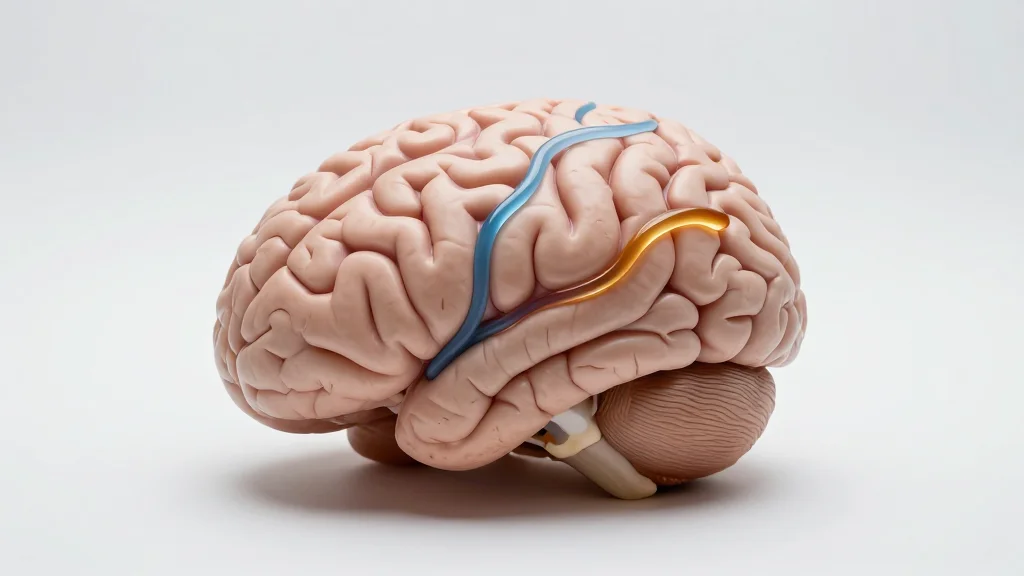
BOLD fMRI Reflects Both Vascular and Metabolic Signals
Why It Matters
Understanding the dual vascular‑metabolic nature of BOLD refines interpretation of countless neuroimaging studies and guides more accurate biomarkers for research and clinical diagnostics.
Key Takeaways
- •BOLD signal combines vascular flow and oxygen metabolism changes
- •Epp et al. show uncoupled vascular‑metabolic responses across brain regions
- •Findings prompt re‑evaluation of fMRI as sole neural activity proxy
- •Quantitative fMRI methods can disentangle flow versus metabolic contributions
- •Multimodal validation recommended to enhance neuroimaging specificity
Pulse Analysis
The blood‑oxygenation‑level‑dependent (BOLD) contrast has been the workhorse of functional MRI for three decades, offering a non‑invasive window into brain activity. Historically, researchers have treated BOLD changes as a proxy for neuronal firing, assuming that increased neural demand triggers a proportional rise in cerebral blood flow and oxygen delivery. This canonical model underpins thousands of studies, from basic neuroscience to drug development, and informs clinical protocols such as pre‑surgical mapping. However, the model rests on the premise that vascular and metabolic responses are tightly coupled, an assumption now challenged by emerging quantitative imaging techniques.
In the recent Nature Neuroscience article, Epp and colleagues employed calibrated fMRI and advanced modeling to independently quantify cerebral blood flow and the cerebral metabolic rate of oxygen (CMRO2) during task activation. Their data reveal that, in several cortical and subcortical regions, blood‑flow increases outpace metabolic demand, while in others the opposite occurs. This uncoupling means that a positive BOLD signal can arise from purely vascular dynamics, metabolic shifts, or a mixture of both, complicating the straightforward interpretation of activation maps. The authors’ rigorous approach underscores the need for multimodal measurements—such as arterial spin labeling, PET, or optical imaging—to resolve the distinct contributions.
The implications are far‑reaching. For researchers, acknowledging the dual nature of BOLD urges a re‑examination of past findings that relied on univariate BOLD contrasts, especially in studies of neurovascular disorders or aging where vascular health varies. Clinically, more precise separation of flow and metabolism could improve the specificity of functional maps used in neurosurgery, reducing false‑positive activations. Going forward, the field is likely to adopt hybrid protocols that combine quantitative fMRI with complementary modalities, and to develop analysis pipelines that model vascular‑metabolic coupling explicitly. Such advances will bolster the credibility of fMRI as a quantitative biomarker, preserving its central role while addressing its physiological complexities.
BOLD fMRI reflects both vascular and metabolic signals
Comments
Want to join the conversation?
Loading comments...