Why It Matters
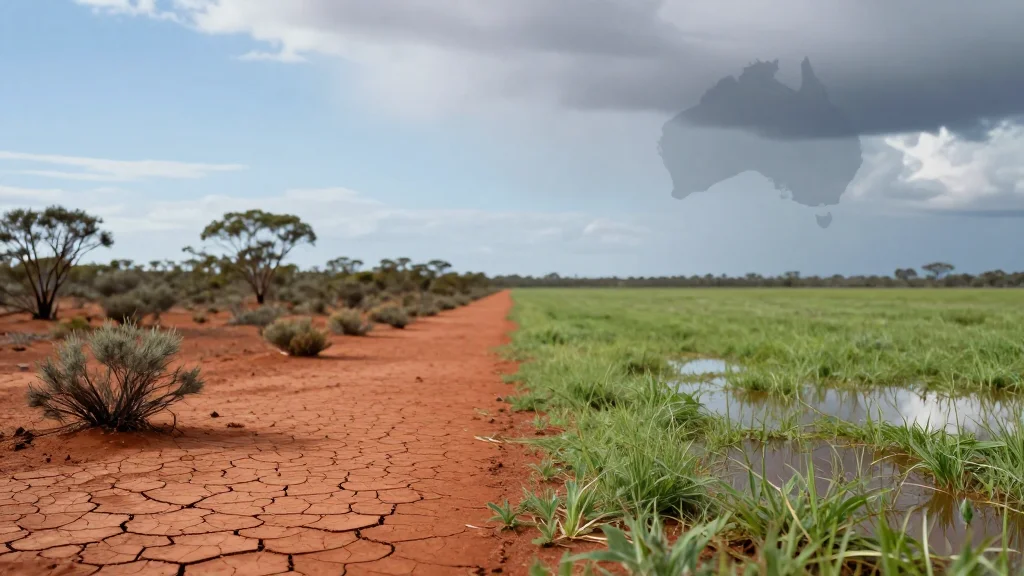
Reduced precipitation and higher temperatures threaten agricultural yields, water supplies and energy demand, while an emerging El Niño could exacerbate drought risks across key economic zones.
Key Takeaways
- •Below‑average April‑June rain across most of Australia.
- •Northern Queensland may see above‑average rainfall.
- •Murray‑Darling Basin faces >50% chance of unusually low rain.
- •Temperatures likely above average, especially in southern regions.
- •Potential El Niño development could intensify dry conditions.
Pulse Analysis
Australia’s climate outlook for the coming quarter underscores a shift toward drier, hotter conditions that could reverberate through the nation’s primary industries. Farmers in the Murray‑Darling Basin, a critical grain‑producing region, may confront water scarcity that forces planting adjustments or reduced crop loads. Urban water utilities, already stretched by previous low‑rain events, will need to manage reservoirs more conservatively, while insurers may see heightened claims linked to drought‑related losses. The nuanced regional variance—wet pockets in far‑north Queensland versus widespread dryness—highlights the importance of localized risk assessments rather than a one‑size‑fits‑all approach.
Temperature projections add another layer of complexity. Above‑average maximums in southern Australia increase the likelihood of heat‑related stress on livestock, elevate electricity demand for cooling, and raise the probability of bushfire ignition in vulnerable ecosystems. Meanwhile, unusually warm nights across the eastern seaboard can impede overnight recovery for crops and exacerbate urban heat island effects, prompting municipalities to reconsider green infrastructure investments. Energy markets may experience price volatility as thermal power plants contend with higher cooling loads, while renewable operators could benefit from stronger solar generation during extended sunny periods.
The looming possibility of an El Niño event injects further uncertainty into the forecast. Historically, El Niño phases intensify dry conditions in eastern and southern Australia, amplifying the risks outlined above. Businesses should therefore embed climate scenario planning into their operational strategies, leveraging real‑time BOM updates and climate‑risk modeling tools. Proactive measures—such as diversifying water sources, adjusting supply chain logistics, and investing in climate‑resilient technologies—can mitigate exposure and preserve profitability amid an increasingly volatile weather regime.
BOM: April to June 2026 rainfall outlook + VIDEO
Comments
Want to join the conversation?
Loading comments...