Bone-Eating Worms and Other Deep-Sea Survivors
Why It Matters
The treaty’s new protection tools could preserve unique deep‑sea biodiversity while guiding sustainable resource use, a critical balance for global climate and ocean health.
Key Takeaways
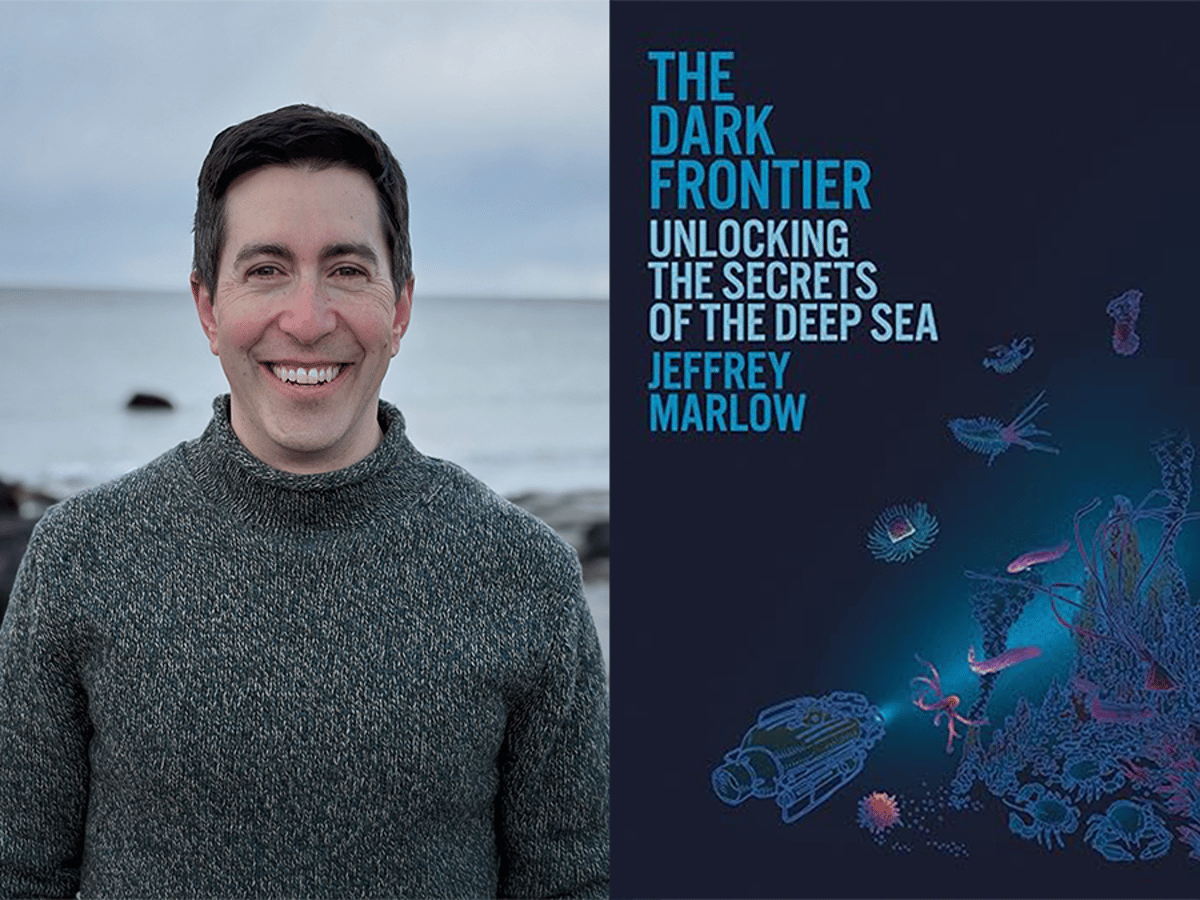
- •Marlow's book highlights deep‑sea ecosystems and urgent conservation needs
- •Methane‑eating microbes convert greenhouse gas into rock via symbiosis
- •Osedax worms rely on bone‑degrading microbes to digest whale skeletons
- •High Seas Treaty enables future marine protected areas beyond national jurisdiction
- •Ocean acidification thinned plankton shells 76% since 1870s, signaling ecosystem stress
Pulse Analysis
The deep ocean, home to methane‑eating microbes and bone‑consuming worms, plays a disproportionate role in Earth’s climate system. These organisms transform potent greenhouse gases into stable minerals and recycle nutrients from whale carcasses, illustrating a tightly knit web of symbiosis that sustains life where energy is scarce. Understanding these processes not only expands basic science but also informs climate mitigation strategies, as microbial conversion of methane directly reduces atmospheric warming potential.
Human activity is now reaching these remote realms. Plastic debris, expanding oil extraction, and the nascent push for deep‑sea mining threaten habitats that have evolved over millions of years. Recent studies reveal plankton shells have become up to 76% thinner since the 19th‑century Challenger expedition, a stark indicator of ocean acidification’s impact. The High Seas Treaty, which entered force this January, offers the first global governance structure to regulate such activities, balancing exploitation with preservation.
Looking ahead, the treaty’s provision for Marine Protected Areas beyond national jurisdiction could safeguard iconic sites like the alkaline Lost City vent field and the biodiverse Sargasso Sea. By treating the high seas as a common heritage rather than an unlimited resource, policymakers gain a tool to pre‑emptively protect ecosystems before irreversible damage occurs. Continued scientific outreach, exemplified by Marlow’s book, will be essential to build public and political support for these protective measures, ensuring the deep sea remains a frontier for discovery rather than depletion.
Bone-eating worms and other deep-sea survivors
Comments
Want to join the conversation?
Loading comments...