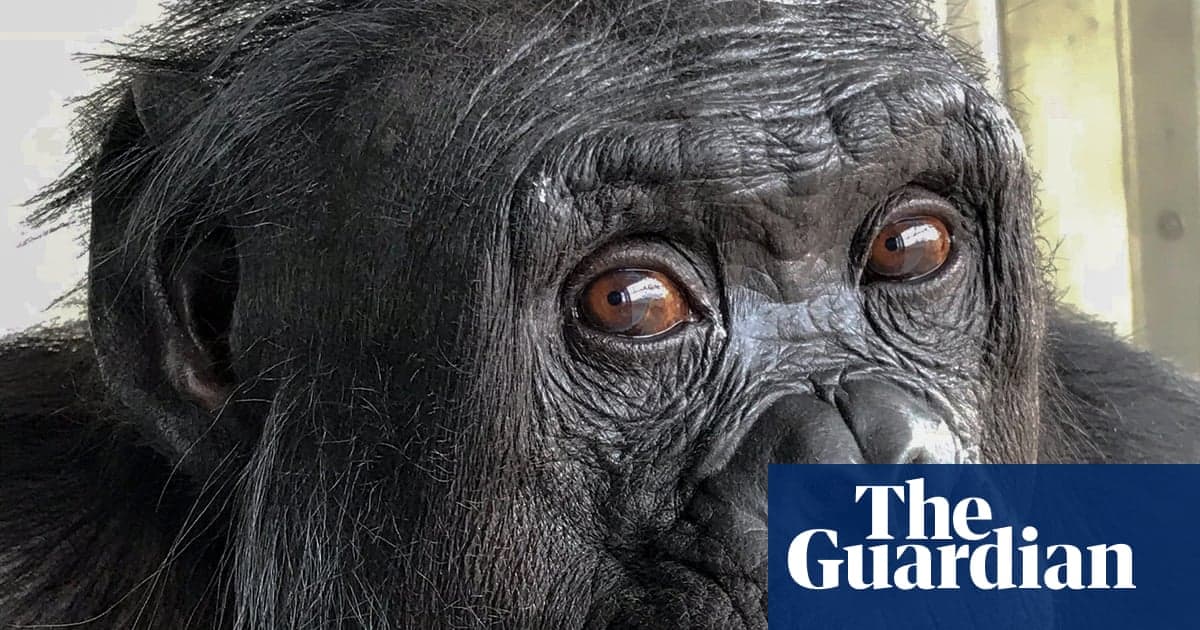
Bonobos Enjoy Pretend Tea Parties and Chimps Think Rationally: Why Apes Are More Like Us than We Ever Thought
Why It Matters
These discoveries blur the line between human and ape cognition, suggesting shared capacities for imagination, rationality, and culture that reshape scientific and ethical perspectives on great‑ape conservation.
Key Takeaways
- •Kanzi the bonobo demonstrated pretend play in first great‑ape study
- •Apes can revise beliefs when presented stronger evidence, showing rationality
- •Wild orangutan used medicinal plant to heal facial wound, first documented case
- •Chimpanzees and bonobos recognize former group‑mates after decades, indicating long‑term memory
- •Researchers propose protecting animal cultural heritage alongside biodiversity for conservation
Pulse Analysis
The recent Science paper on Kanzi’s pretend play provides a vivid illustration of imagination beyond humans. By framing a simple tea‑party scenario, researchers showed that bonobos can hold secondary representations—a mental state once thought exclusive to our species. This breakthrough aligns with a growing body of work on theory of mind in apes, reinforcing the idea that symbolic thinking and pretend play are evolutionary continuities rather than abrupt leaps.
Equally compelling are studies on chimpanzee rationality and long‑term social memory. Experiments at Uganda’s Ngamba Island sanctuary demonstrated that chimps will abandon an initial choice when presented with stronger evidence, mirroring human Bayesian updating. Meanwhile, eye‑tracking work with zoo‑housed apes uncovered recognition of former group‑mates after up to 26 years, highlighting sophisticated memory systems that support complex social networks. These findings collectively expand our understanding of ape cognition, suggesting that decision‑making and social awareness are deeply rooted in primate evolution.
Beyond academic intrigue, the research carries urgent conservation implications. Documented cases of wild orangutans using medicinal plants and the discovery of distinct cultural traditions among chimpanzee communities underscore the richness of ape cultural diversity. Conservationists are now urged to protect not only species numbers but also the unique cultural practices that define different populations. Integrating cultural heritage into protection plans could prevent the loss of irreplaceable behavioral knowledge, ensuring that future generations of both humans and apes retain a shared evolutionary legacy.
Bonobos enjoy pretend tea parties and chimps think rationally: why apes are more like us than we ever thought
Comments
Want to join the conversation?
Loading comments...