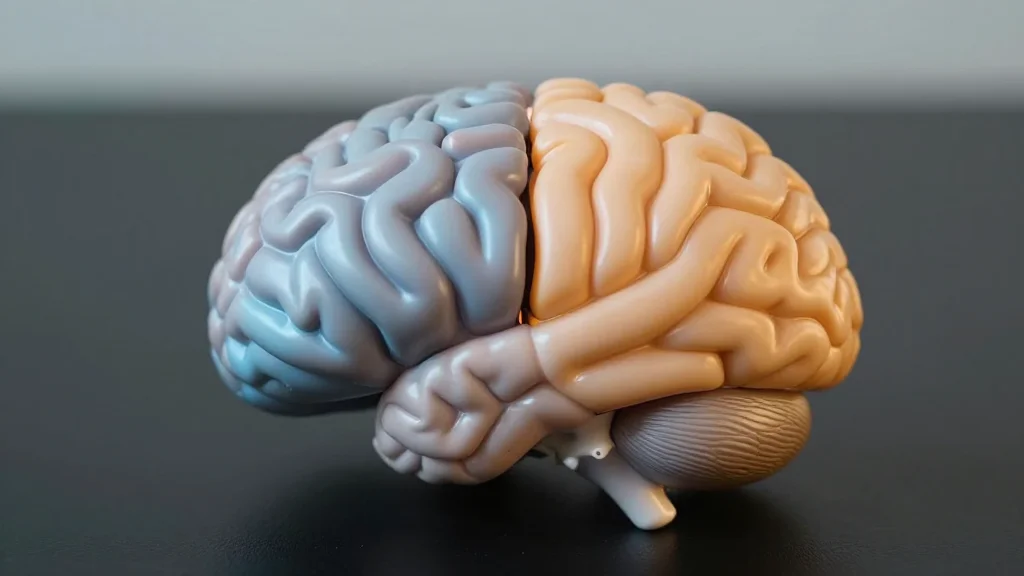
Brain Halves Become Less Alike as Kids Grow, Especially in Highly Intelligent Teens
Why It Matters
The research ties accelerated hemispheric differentiation to superior intelligence, implying that early neural efficiency could be a marker for cognitive potential and inform educational or clinical strategies.
Key Takeaways
- •Hemispheric functional homotopy declines from childhood to adolescence
- •Superior IQ teens show fastest reduction in left-right brain similarity
- •Specialization spreads across entire cortex, not just association areas
- •Early hemispheric independence may signal efficient neural resource use
Pulse Analysis
The study, led by Li‑Zhen Chen and Xi‑Nian Zuo at Beijing Normal University, tracked brain development with repeated resting‑state fMRI scans and standardized IQ tests. By measuring functional homotopy—the degree of synchronized activity between mirrored cortical regions—the researchers mapped how interhemispheric communication evolves from early childhood through the teenage years. Their longitudinal design, covering ages six to seventeen, provides a rare window into the dynamic reorganization of neural networks as the brain matures.
Results revealed a clear age‑related decline in left‑right similarity, with the most pronounced changes in higher‑order association networks that support memory, attention, and executive function. Notably, adolescents with superior intelligence scores showed the steepest reduction in homotopy, and this accelerated specialization extended beyond association areas to primary sensory and visual cortices. The pattern suggests that highly intelligent youths achieve cognitive efficiency by partitioning complex tasks across hemispheres earlier than average peers, potentially reducing metabolic costs while enhancing processing speed.
These insights reshape our understanding of neurodevelopmental markers of intelligence and open avenues for applied research. If early hemispheric independence signals cognitive advantage, educators could tailor learning interventions to foster optimal brain lateralization. Clinicians might also use homotopy metrics to identify atypical development linked to learning disorders. Future work expanding the sample size, incorporating subcortical structures, and examining sex differences will be crucial to translate these findings into practical tools for education and mental health.
Brain halves become less alike as kids grow, especially in highly intelligent teens
Comments
Want to join the conversation?
Loading comments...