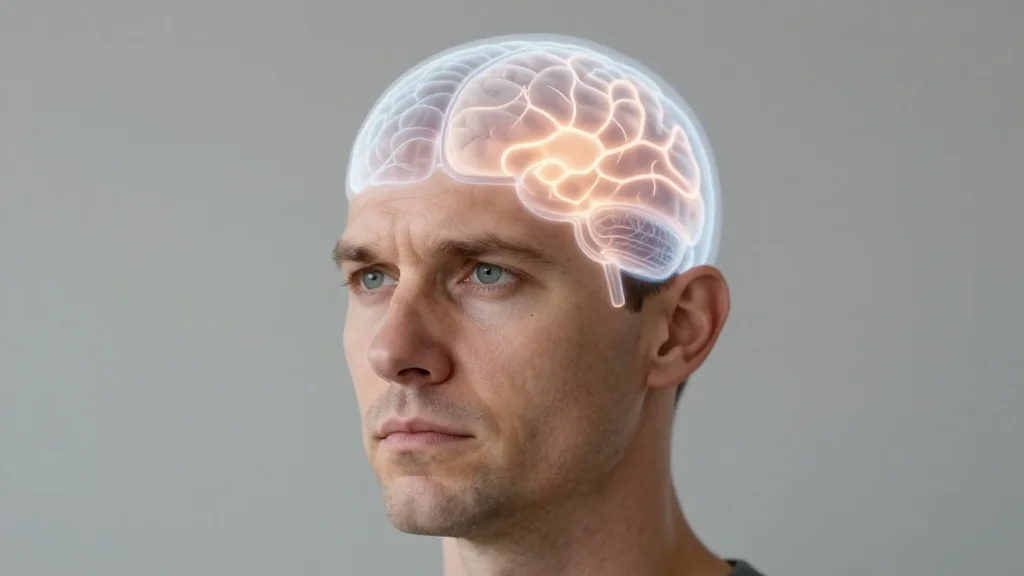
Brain Reactions to Fearful Faces Predict Psychiatric Hospitalization Risk
Why It Matters
Identifying neural and behavioral markers of threat sensitivity offers a pathway to early, targeted interventions, potentially reducing costly emergency psychiatric admissions and improving outcomes for mood‑disorder patients.
Key Takeaways
- •Left amygdala hyperreactivity to fear raises 3% hospitalization risk per unit
- •Faster identification of negative faces adds ~3.5% risk per speed increment
- •Study followed 112 mood‑disorder patients; 20 were hospitalized within 12 months
- •Right amygdala and fusiform activity showed no significant predictive value
- •Biomarkers could enable early, targeted interventions to lower inpatient costs
Pulse Analysis
The study, led by Professor Kamilla W. Miskowiak, combined functional magnetic resonance imaging with rapid facial‑emotion recognition tests to probe threat processing in 112 individuals diagnosed with major depressive disorder or bipolar disorder. Participants viewed brief images of happy and fearful faces while their amygdala and fusiform gyrus activity was recorded, and later completed a computer‑based task that measured how quickly they identified negative versus positive emotions. Over a 12‑month follow‑up using Denmark’s national health registries, heightened left‑amygdala activation and accelerated detection of negative expressions each correlated with a roughly 3‑3.5% increase in the probability of psychiatric hospitalization.
These findings have immediate clinical relevance because they point to quantifiable biomarkers that could augment traditional risk assessments based on symptom severity and history. Early identification of patients with an overactive threat‑response system may allow clinicians to prioritize intensive psychotherapy, cognitive‑bias modification, or pharmacologic strategies aimed at dampening amygdala hyperreactivity. By preventing severe relapses, health systems could curtail the substantial costs associated with inpatient stays, which often run into tens of thousands of dollars per admission, and improve quality of life for a population that frequently experiences disruptive mood episodes.
Nevertheless, the research has notable limitations. The sample size was modest, with only 20 hospitalization events, and participants were on heterogeneous medication regimens that could influence neural responses. The study also pooled depressive and bipolar diagnoses, obscuring disorder‑specific patterns. Future work should replicate the results in larger, medication‑controlled cohorts and explore whether interventions that reduce amygdala reactivity—such as mindfulness‑based stress reduction or targeted neuromodulation—translate into lower admission rates. If validated, threat‑sensitivity markers could become a cornerstone of precision psychiatry, guiding personalized treatment pathways for mood‑disorder patients.
Brain reactions to fearful faces predict psychiatric hospitalization risk
Comments
Want to join the conversation?
Loading comments...