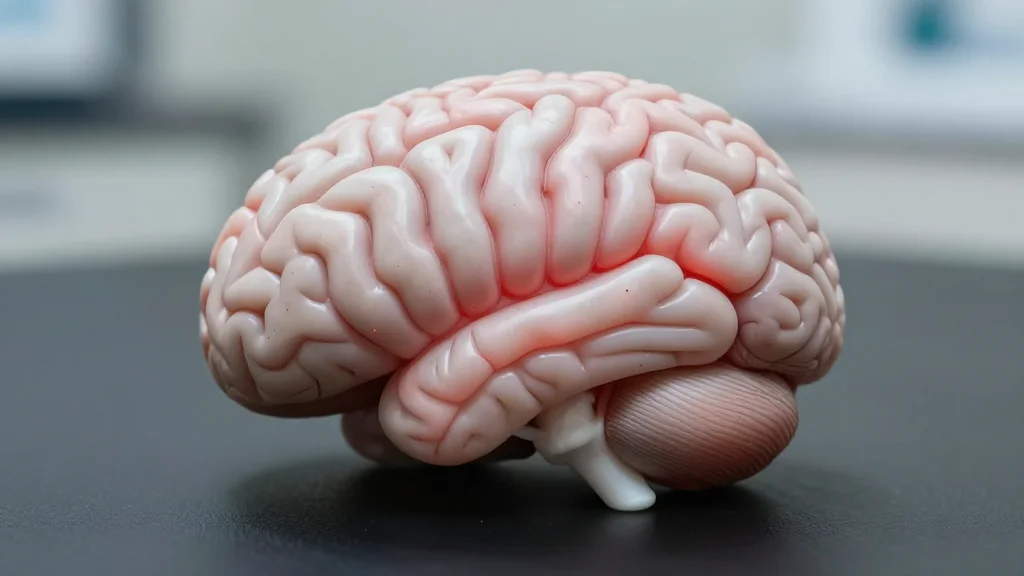
Brain Scans Link Tissue Reductions to Aggression in Schizophrenia
Why It Matters
Identifying brain‑based predictors of aggression offers a path to more accurate clinical risk profiling and targeted interventions, potentially reducing violence and stigma associated with schizophrenia.
Key Takeaways
- •Reduced total cortical volume correlates with higher aggression in schizophrenia
- •Dorsolateral prefrontal cortex shrinkage impairs impulse control, raising violent risk
- •White matter loss in internal capsule disrupts emotion regulation pathways
- •Delusions and hallucinations partially mediate brain‑structure‑aggression link
- •Findings suggest neuroimaging could enhance psychiatric risk assessments
Pulse Analysis
Aggression in schizophrenia, while affecting only about 0.5% of the population, accounts for a disproportionate share of violent incidents. The stigma and clinical burden associated with these outbursts drive demand for objective markers that go beyond symptom checklists. Recent advances in large‑scale neuroimaging collaborations, such as ENIGMA, enable researchers to pool thousands of scans, providing the statistical power needed to detect subtle structural differences that smaller studies miss.
The ENIGMA‑based mega‑analysis examined high‑resolution MRI data from 13 countries, applying normative modeling to compare each patient’s brain metrics against a healthy baseline adjusted for age and sex. The results revealed a global reduction in cortical volume and white‑matter integrity among the most aggressive patients, with focal deficits in the dorsolateral prefrontal cortex, inferior parietal lobule, and the internal capsule. These regions are critical for executive control, theory of mind, and emotional regulation, offering a neurobiological explanation for impulsive and hostile behavior.
Clinically, the findings open the door to integrating neuroimaging biomarkers into existing violence‑risk assessments, potentially improving predictive accuracy and informing personalized treatment plans. Future longitudinal studies could clarify whether progressive tissue loss precedes aggression or reflects a shared vulnerability. In the meantime, combining brain‑based insights with cognitive‑behavioral therapies and, where appropriate, neuromodulation techniques may help mitigate risk and reduce the societal costs of aggression in psychotic disorders.
Brain scans link tissue reductions to aggression in schizophrenia
Comments
Want to join the conversation?
Loading comments...