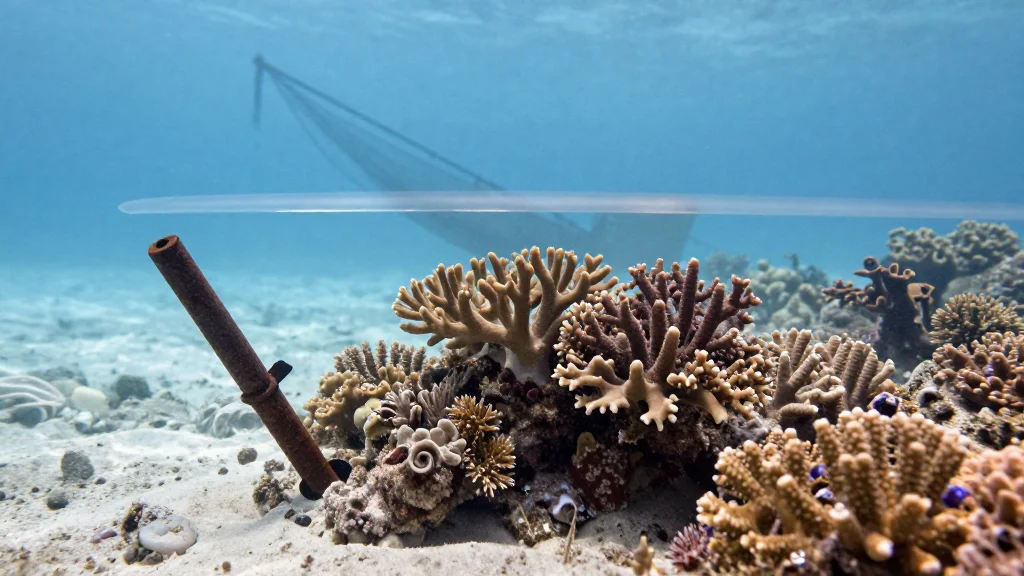
Brazil’s ‘Rolling Stone Reefs’ Teem with Hidden Diversity, DNA Reveals
Why It Matters
The discovery highlights rhodolith reefs as critical, under‑appreciated biodiversity hotspots whose degradation could undermine fisheries and carbon sequestration, prompting urgent conservation and policy action.
Key Takeaways
- •eDNA revealed 1,800 species in Brazilian rhodolith beds
- •Rhodoliths may host 1% of known marine species
- •Oil exploration threatens slow‑growing calcareous habitats
- •Genomic databases lack Southern Hemisphere marine DNA
- •Rhodoliths act as carbon sinks via calcium carbonate
Pulse Analysis
Rhodolith reefs—often dismissed as pink stones—span roughly 4 million square kilometres of the global seafloor, dwarfing the combined area of coral reefs, kelp forests and seagrass meadows. By crushing nodules and sequencing short eDNA markers, Brazilian scientists identified 1,800 genetic variants, confirming 450 species and revealing dozens of potential new taxa. This biodiversity density rivals that of the world’s most celebrated coral ecosystems, underscoring rhodoliths as hidden engines of marine life and a reservoir of genetic resources yet to be catalogued.
The ecological importance of these habitats extends beyond species counts. Rhodolith structures provide shelter and feeding grounds for commercially valuable fish, act as nursery habitats, and sequester carbon through calcium‑carbonate deposition. However, their growth rates—often under a millimetre per year—make them especially vulnerable to disturbances. Recent oil‑exploration licenses near the Amazon mouth, combined with ongoing dredging for fertilizer calcium carbonate, trawling, and accelerating ocean acidification, threaten to degrade these slow‑forming ecosystems, potentially eroding fisheries yields and carbon‑capture capacity.
Policy and research gaps amplify the risk. Global genomic databases contain DNA from only a fraction of Brazil’s 16,000 marine species, limiting the precision of eDNA surveys and obscuring true biodiversity. Strengthening regional sequencing initiatives, enforcing stricter environmental safeguards on offshore drilling, and integrating rhodolith conservation into marine spatial planning are essential steps. As climate change intensifies, protecting these under‑recognized reefs could preserve a substantial share of marine diversity while bolstering natural carbon‑storage solutions.
Brazil’s ‘rolling stone reefs’ teem with hidden diversity, DNA reveals
Comments
Want to join the conversation?
Loading comments...