Briefing Chat: Spinosaurs with Salt Glands Could Have Lived in Marine Environments
Why It Matters
Understanding spinosaur osmoregulation reshapes dinosaur ecology, indicating broader habitat diversity and influencing how paleontologists reconstruct ancient ecosystems.
Key Takeaways
- •Spinosaurs had salt‑excreting glands like modern marine reptiles
- •Nasal bone fossils show adaptations for salt regulation
- •Evidence points to hunting in brackish and coastal waters
- •Challenges view of spinosaurs as purely land‑based predators
- •Prompts new research on dinosaur osmoregulation and habitats
Pulse Analysis
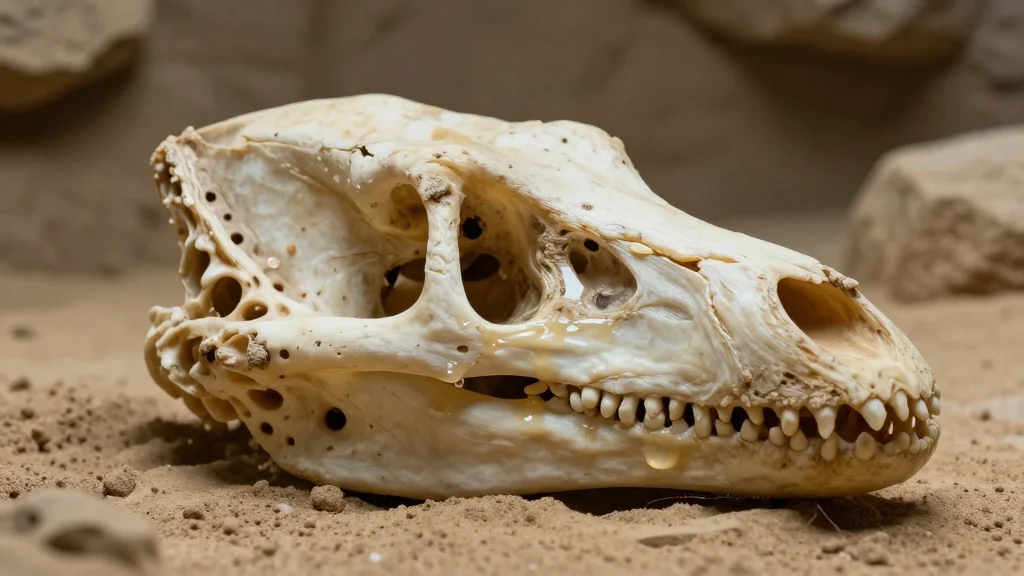
The revelation that spinosaurs possessed functional salt glands marks a pivotal shift in dinosaur paleobiology. Previously, these massive theropods—best known from fossils like Spinosaurus aegyptiacus—were imagined prowling riverbanks or desert dunes. Detailed CT scans of cranial fossils, however, uncovered microscopic canals and glandular tissue remnants that mirror the salt‑excreting systems of today’s sea turtles and marine iguanas. This anatomical evidence provides a plausible mechanism for managing the high salinity of coastal habitats, suggesting that spinosaurs could have regularly foraged in estuaries and shallow seas.
Comparative physiology deepens the intrigue. Modern reptiles that inhabit saline environments rely on specialized glands to expel excess sodium, a trait that enables them to drink seawater without dehydration. By drawing parallels between spinosaur gland structures and those of extant marine reptiles, researchers argue that these dinosaurs occupied a niche previously reserved for amphibious or fully aquatic species. Such a lifestyle would have afforded spinosaurs access to abundant fish stocks, potentially explaining their elongated, crocodile‑like skulls and conical teeth. The marine adaptation also aligns with sedimentary contexts where many spinosaur fossils are found, often within ancient river deltas or lagoonal deposits.
The broader implications extend beyond academic circles. Reinterpreting spinosaur ecology reshapes museum narratives, influences paleo‑tourism, and guides future excavation strategies toward coastal strata previously overlooked. Moreover, it prompts a reassessment of other theropods that may have exploited similar niches, expanding the known diversity of dinosaur habitats. As paleontologists integrate these findings with climate models of the Cretaceous, a more nuanced picture emerges—one where dinosaurs were not confined to land but were versatile, adapting to the planet’s shifting seas and salinity gradients.
Briefing chat: Spinosaurs with salt glands could have lived in marine environments
Comments
Want to join the conversation?
Loading comments...