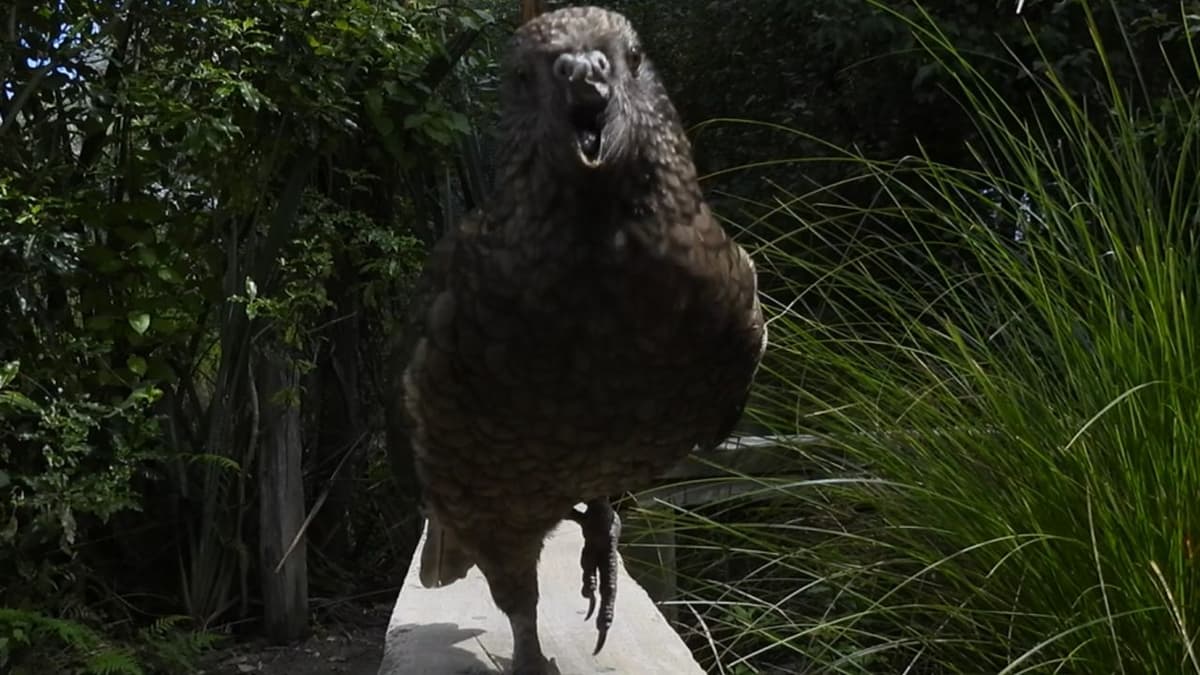
Bruce the Parrot Is Missing His Upper Beak — but that Hasn't Stopped Him From Becoming an Undefeated Jousting Champion
Why It Matters
Bruce’s success demonstrates that severe physical impairment does not preclude social dominance, reshaping our understanding of animal cognition and resilience. The insight adds urgency to kea conservation by showcasing their remarkable adaptability.
Key Takeaways
- •Bruce the beak‑less kea won 36 straight jousts, becoming alpha
- •His lower‑beak thrust technique displaced opponents 73% of the time
- •First recorded case of a disabled bird using tools for self‑preening
- •Study highlights kea intelligence, aiding conservation of <7,000 wild individuals
- •Findings show disabled animals can achieve dominance without alliances
Pulse Analysis
Kea (Nestor notabilis) have long been celebrated for their problem‑solving prowess, from using sticks to extract food to predicting weather patterns. Bruce’s case adds a new dimension to this reputation: a bird that has turned a debilitating injury into a competitive advantage. By repurposing his lower beak as a thrusting weapon, he not only intimidates rivals but also establishes a clear hierarchy without the need for physical strength. This behavior expands the catalog of avian combat strategies and provides a rare glimpse into how individual innovation can reshape group dynamics.
The broader scientific community is taking note of Bruce’s adaptive toolkit, which includes using pebbles for self‑preening—a behavior never before recorded in kea. Such tool use among disabled animals challenges the prevailing view that social dominance in impaired individuals typically relies on alliances, as seen in chimpanzees and macaques. Bruce’s solitary rise to alpha status suggests that cognitive flexibility can compensate for physical loss, offering fresh avenues for research into neuroplasticity and behavioral compensation across species.
From a conservation perspective, the study arrives at a critical moment: fewer than 7,000 kea remain in the wild, and public fascination with charismatic stories can drive support for breeding programs. Highlighting Bruce’s ingenuity underscores the species’ resilience, reinforcing arguments for habitat protection and captive‑breeding initiatives like those at Willowbank Wildlife Reserve. By linking scientific discovery with emotional appeal, the findings may galvanize funding and policy attention, ultimately contributing to the long‑term survival of these iconic New Zealand parrots.
Bruce the parrot is missing his upper beak — but that hasn't stopped him from becoming an undefeated jousting champion
Comments
Want to join the conversation?
Loading comments...