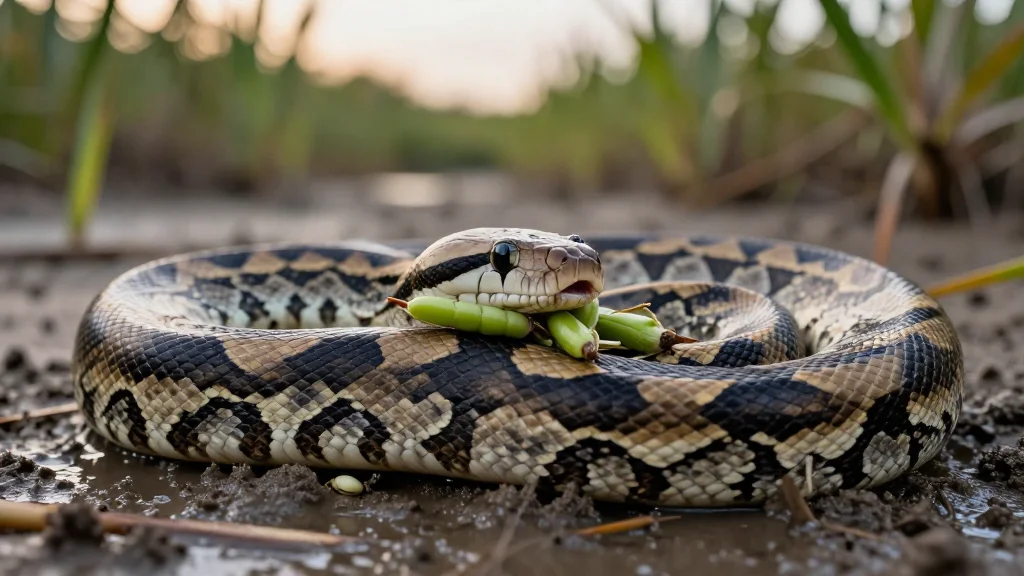
Burmese Pythons in Florida Are Changing Everglades in a Surprising Way: Study Reveals Giant Snakes Are Spreading Seeds
Why It Matters
The study reveals a previously unknown pathway through which an invasive predator can alter plant communities, complicating conservation and restoration efforts in the Everglades. Recognizing this hidden seed‑dispersal role is essential for designing more effective invasive‑species management strategies.
Key Takeaways
- •Study identified 25 distinct seed types inside captured pythons
- •Around 40% of cabbage‑palm seeds germinated after digestion
- •Pythons act as secondary dispersers for native and invasive plants
- •Decline of mammals shifts seed‑dispersal role to snakes
- •Results may alter Everglades restoration and invasive‑species policies
Pulse Analysis
Burmese pythons have been the poster child of invasive wildlife in South Florida, responsible for dramatic declines in mammals, birds, and reptiles across the Everglades. While their predatory impact is well documented, a recent study published in the Journal of Zoology uncovers a subtler ecological role: the snakes are unintentionally moving plant seeds. Researchers from the University of Florida, the U.S. Geological Survey and the Conservancy of Southwest Florida examined the digestive tracts of captured pythons and found 25 different seed species, ranging from native cabbage palm to creeping cucumber.
The mechanism behind this hidden dispersal is secondary seed movement: pythons ingest birds or mammals that have already consumed fruit, then transport the seeds through their own gut. Laboratory tests showed that nearly 40 % of cabbage‑palm seeds survived the digestive process and were capable of germination, suggesting that snakes can effectively relocate viable propagules. This pathway could benefit both native flora and aggressive invaders, potentially reshaping plant community composition in the wetlands and influencing fire regimes, water flow, and habitat structure over time.
For Everglades managers, the findings add a new layer of complexity to invasive‑species control. Traditional removal efforts focus on reducing predation pressure, but the seed‑dispersal function may persist even as snake numbers decline, or could shift to other predators if pythons are suppressed. Integrating this cryptic interaction into restoration plans could improve predictions of vegetation dynamics and help prioritize actions that protect both fauna and flora. The study underscores a broader lesson: invasive animals often generate hidden ecological cascades that only long‑term, interdisciplinary research can reveal.
Burmese pythons in Florida are changing Everglades in a surprising way: Study reveals giant snakes are spreading seeds
Comments
Want to join the conversation?
Loading comments...