California Needs Water and Clean Power. It Might Have a Fix for Both.
Why It Matters
The dual‑use system delivers clean power and water savings simultaneously, accelerating California’s climate and water‑security objectives while preserving valuable agricultural land.
Key Takeaways
- •Solar canopies over canals could produce up to 13 GW statewide
- •Shade reduces evaporation, saving roughly 63 billion gallons of water annually
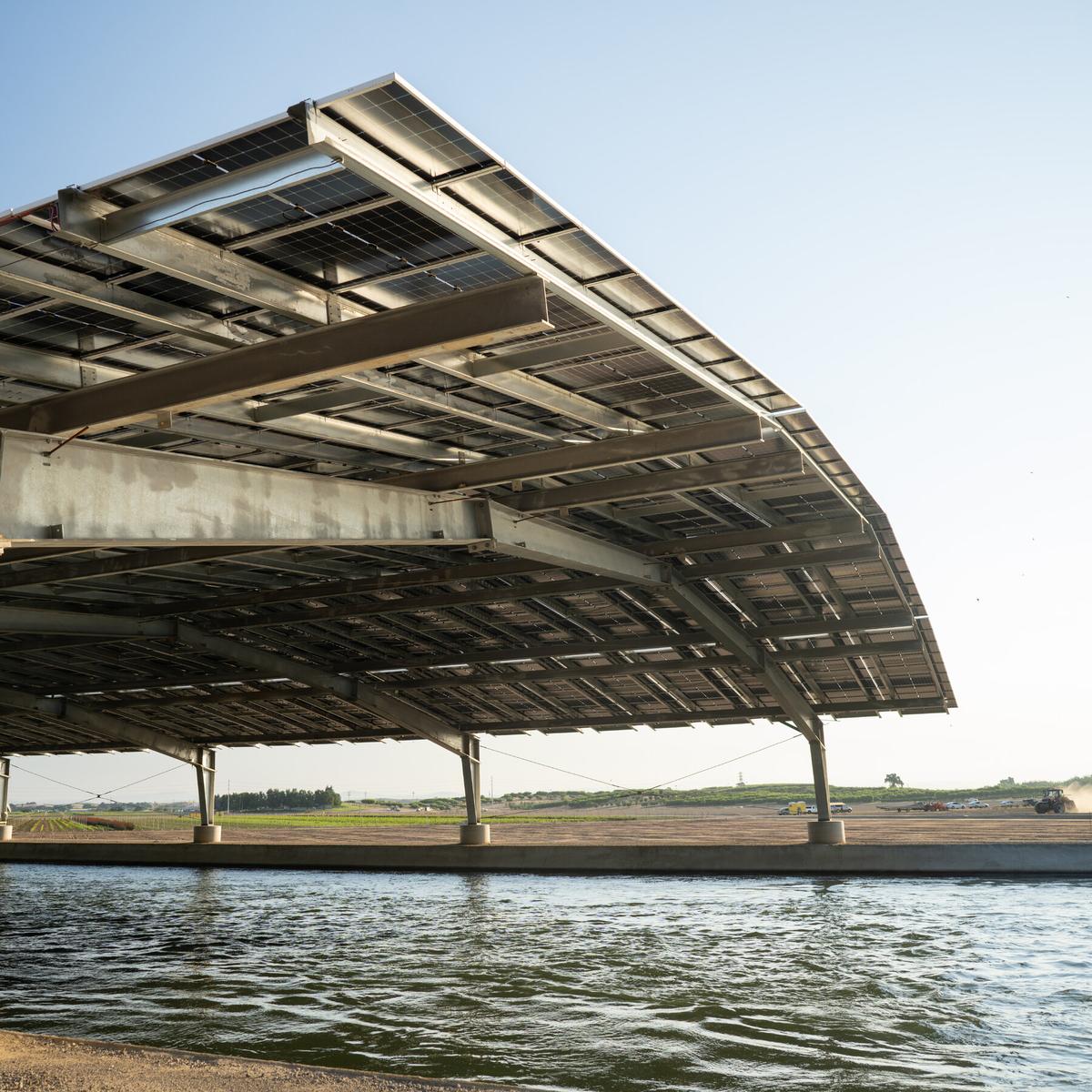
- •Project Nexus pilots in Turlock combine renewable energy with water conservation
- •Leveraging canals avoids competing for agricultural land or open space
- •Scalable model supports California’s 60% renewable target by 2030
Pulse Analysis
California’s Central Valley faces a perfect storm of drought and rising electricity demand, prompting policymakers to search for innovative ways to stretch limited resources. The state’s 4,000‑mile system of open irrigation canals, which supplies water to farms and municipalities, also represents a massive, underutilized surface area exposed to the sun. Traditional solar farms compete with farmland and open‑space conservation goals, creating a land‑use dilemma. By reimagining these waterways as platforms for photovoltaic arrays, planners can turn a liability—evaporation loss—into an asset that contributes to the state’s aggressive clean‑energy roadmap.
Project Nexus, launched in 2024, installs modular solar canopies directly above irrigation channels, allowing sunlight to generate electricity while the shade curtails water loss. Early measurements at the Turlock test site indicate that a one‑kilometer stretch can produce roughly 2 MW of power and cut evaporation by up to 15 percent, translating into billions of gallons saved over a decade. The system integrates with existing utility infrastructure, feeding power into the grid without disrupting water flow. Partnerships between the University of California, Merced, private solar developers, and Pacific Gas & Electric provide a template for public‑private collaboration.
Scaling the canopy concept across California’s canal network could unlock up to 13 GW of clean generation—enough to power millions of homes—while conserving an estimated 63 billion gallons of water annually. By occupying space that would otherwise remain idle, the model sidesteps land‑acquisition costs and mitigates conflicts with agriculture, aligning with the state’s 30 percent open‑land conservation target. As utilities evaluate the economics, the dual revenue stream of electricity sales and water‑saving credits positions canal‑solar as a compelling investment for climate‑focused portfolios.
California Needs Water and Clean Power. It Might Have a Fix for Both.
Comments
Want to join the conversation?
Loading comments...