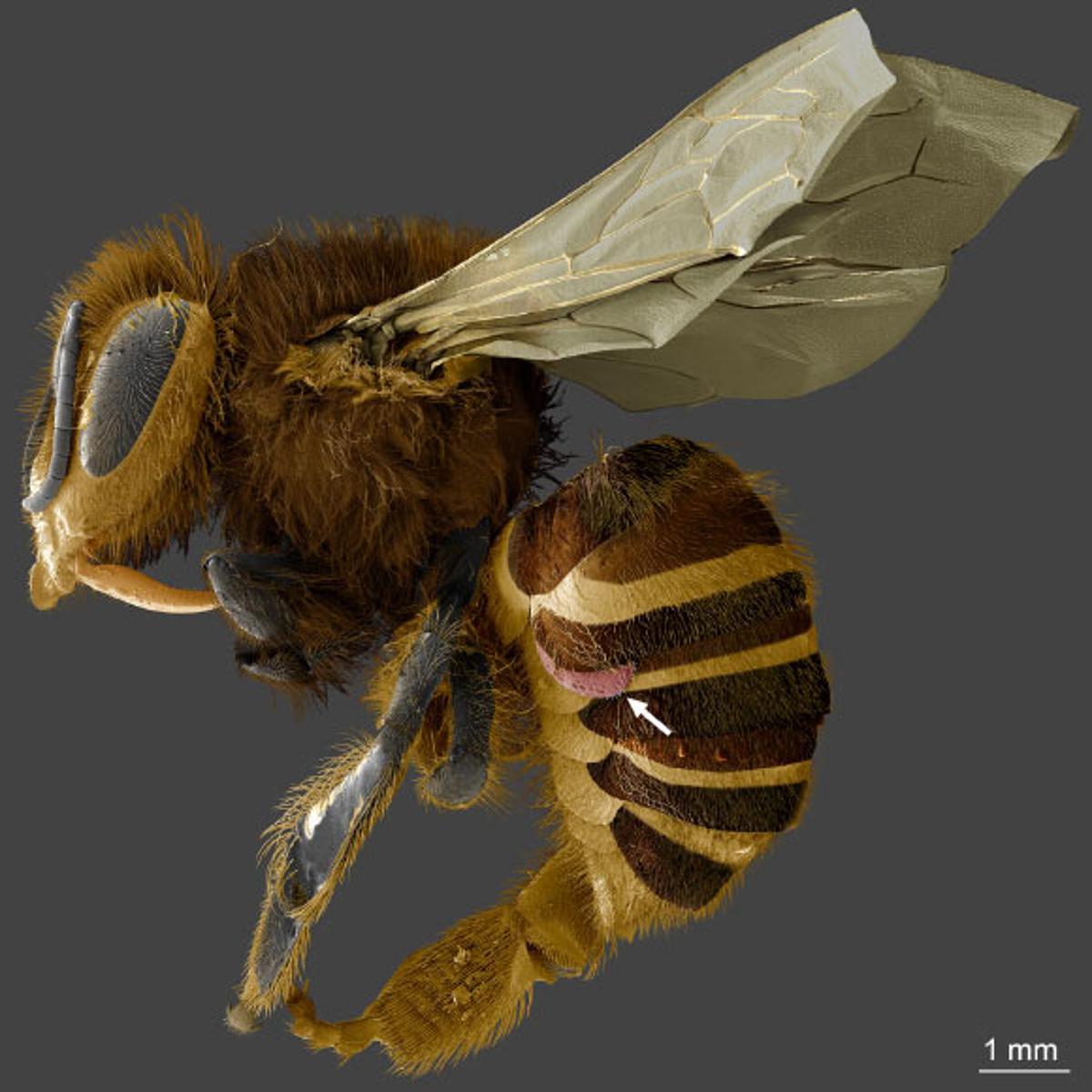
Californian Hybrid Honeybee Population Has Evolved Natural Defense Against Varroa Mites: Study
Why It Matters
If beekeepers can adopt these resilient hybrids, reliance on chemical miticides could drop dramatically, lowering costs and environmental impact while bolstering pollination services essential to U.S. agriculture.
Key Takeaways
- •Hybrid queens host 68% fewer Varroa mites than commercial queens
- •Colonies with hybrid queens are five times less likely to need chemicals
- •Mites show reduced attraction to 7‑day‑old hybrid larvae
- •Resistance appears genetically encoded, emerging before adult bee behavior
Pulse Analysis
Varroa destructor remains the single biggest driver of annual honeybee colony losses across the United States, threatening both ecosystem health and the $15 billion pollination industry. Conventional control relies on synthetic miticides, which can lose efficacy and leave residues in honey and wax. The discovery of a naturally resistant honeybee lineage offers a potential paradigm shift, moving from chemical dependence toward genetic resilience.
The research, conducted from 2019 to 2022 on 236 colonies, compared hybrid queens—bred from Western European, Eastern European, Middle Eastern, and African lineages—with standard commercial queens. Hybrid‑led colonies harbored roughly 68% fewer mites and were five times less likely to surpass the economic injury level that triggers treatment. Crucially, laboratory assays demonstrated that Varroa mites are less drawn to hybrid larvae at the seven‑day developmental window, indicating that the defense mechanism operates before adult foraging or hygienic behaviors take effect.
For beekeepers, the practical implication is clear: integrating these hybrid queens could slash miticide expenditures and reduce the risk of resistance buildup in mite populations. Breeding programs nationwide may begin selecting for the identified genetic markers, accelerating the spread of this trait. Beyond the apiary, healthier bee colonies enhance crop yields, support biodiversity, and lessen the environmental footprint of pollination services, aligning with broader sustainability goals in U.S. agriculture.
Californian Hybrid Honeybee Population Has Evolved Natural Defense against Varroa Mites: Study
Comments
Want to join the conversation?
Loading comments...