California’s Climate Leaders Talk Clean Energy Growing Pains and the War on Iran
Why It Matters
The clash underscores the political volatility of California’s clean‑energy agenda, where policy reversals can delay critical grid‑modernization projects. Successful implementation of virtual power plants could provide affordable, resilient power while reducing dependence on volatile fossil‑fuel markets.
Key Takeaways
- •Gov. Newsom vetoed AB 740, halting a key virtual power plant bill
- •SB 237 passed, easing oil drilling permits in Kern County
- •SB 913 aims to aggregate home batteries for resource adequacy
- •War on Iran spikes global gas prices, stressing California’s transition
- •Virtual power plant program rewards low‑income participants about $300 annually
Pulse Analysis
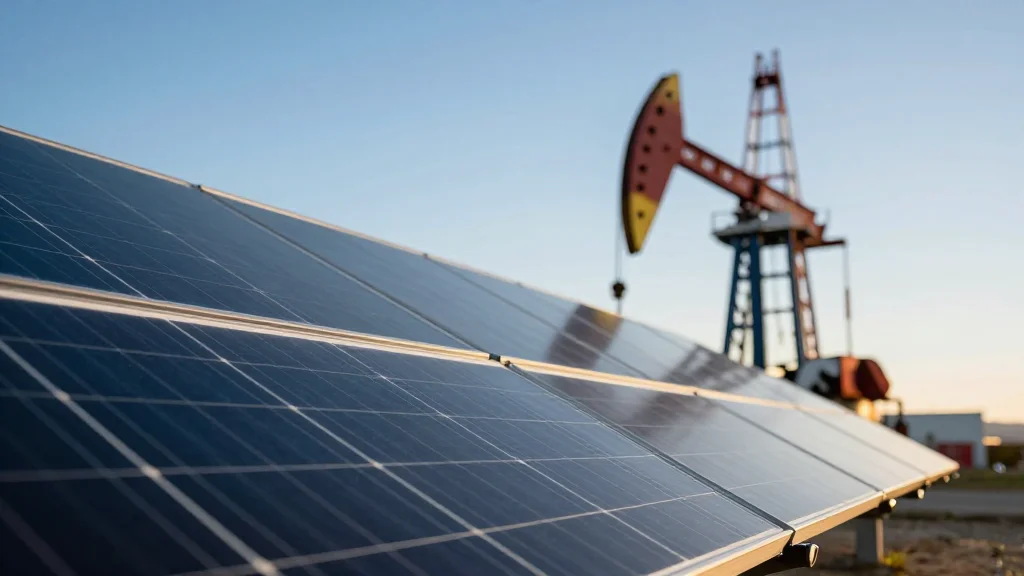
California’s energy transition is at a crossroads as political leadership and external geopolitics collide. Governor Gavin Newsom’s recent veto of AB 740—legislation that would have expanded virtual power plants (VPPs) across the state—signals a retreat from aggressive clean‑energy incentives. Critics argue the move undermines a proven model that aggregates distributed resources—solar panels, batteries, and EV chargers—into a single, dispatchable asset, potentially slowing progress toward the state’s zero‑carbon grid goal. At the same time, the passage of SB 237, which streamlines permitting for new oil and gas wells in Kern County, adds a contradictory signal, highlighting the tension between climate ambition and fossil‑fuel interests.
Compounding the policy tug‑of‑war is the ongoing war on Iran, now in its seventh week, which has driven global oil prices higher and amplified public concern over gasoline affordability. California’s reliance on imported fuel makes it vulnerable to such shocks, prompting policymakers to seek resilient, domestically controlled solutions. SB 913, championed by Sen. Josh Becker, proposes to count the combined capacity of residential batteries and smart‑grid technologies toward the state’s resource‑adequacy requirements, effectively turning millions of homes into a decentralized power plant. If enacted, the bill could unlock billions of kilowatt‑hours of clean capacity, reducing the need for fossil‑fuel peaker plants and cushioning the impact of volatile oil markets.
Equity remains a central theme in the VPP conversation. The Demand Side Grid Support Program already compensates participants—many of whom are low‑income—about $300 per year for allowing their batteries and thermostats to respond to grid peaks. This modest income boost, coupled with lower electricity bills, demonstrates how distributed clean‑energy resources can deliver both environmental and socioeconomic benefits. However, funding for the program lapsed in September 2025, and without renewed financial support, the model’s scalability is at risk. Stakeholders now face a delicate balancing act: securing political backing for SB 913, restoring incentives for VPP participation, and navigating external price shocks—all while maintaining California’s reputation as a global climate‑policy exemplar.
California’s Climate Leaders Talk Clean Energy Growing Pains and the War on Iran
Comments
Want to join the conversation?
Loading comments...