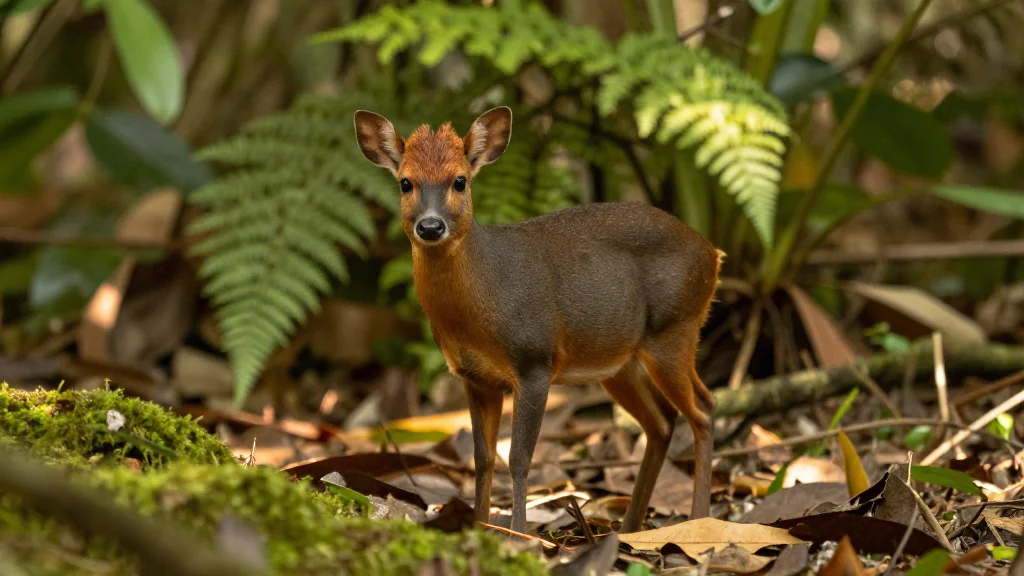
Camera Traps Take First Photos of Rare Island Antelope on Zanzibar
Why It Matters
Documenting the duiker validates an endemic, potentially endangered subspecies, unlocking targeted conservation funding and policy support for Zanzibar’s remaining native forest.
Key Takeaways
- •First photographic proof of Pemba blue duiker in 20 years
- •20 camera traps covered half of 2,030‑ha reserve
- •Findings may confirm distinct subspecies, boosting conservation priority
- •Eco‑resort plans hinge on endemic species status
- •Funding secured for extra guards protecting forest and wildlife
Pulse Analysis
Camera traps have become a cornerstone of modern wildlife monitoring, especially for cryptic mammals that avoid human contact. In the dense undergrowth of Pemba Island’s Ngezi Nature Forest Reserve, strategically placed devices recorded the Pemba blue duiker—an animal barely 30 cm tall—revealing its presence across a substantial portion of the protected area. This breakthrough illustrates how low‑impact technology can fill knowledge gaps in biodiversity hotspots where traditional surveys are logistically challenging.
The visual evidence opens the door to genetic analysis of duiker scat, a critical step toward confirming whether the island population constitutes a unique subspecies or a remnant of mainland blue duikers. A distinct taxonomic status would elevate the duiker’s conservation priority, attracting international funding and justifying stricter protection measures. Stakeholders are already leveraging this data to negotiate the development of an eco‑resort that promises sustainable tourism while preserving the forest’s ecological integrity, positioning the duiker as a flagship species for the project.
Beyond the duiker, the discovery underscores the broader significance of Ngezi as a refuge for endemic fauna and flora, including rare owls, flying foxes, and hundreds of plant species. Recent grants from the Critical Ecosystem Partnership Fund, European Union, and private foundations have enabled the hiring of additional forest guards, bolstering on‑the‑ground enforcement against illegal logging and poaching. Continued camera‑trap monitoring, coupled with community outreach, will be essential to safeguard this last native habitat on Pemba and to document other potentially undiscovered species before they disappear.
Camera traps take first photos of rare island antelope on Zanzibar
Comments
Want to join the conversation?
Loading comments...