Key Takeaways
- •Planets need 20‑50% Earth’s ocean mass for stable carbon cycle.
- •Below threshold, weathering stalls, CO₂ builds up, causing runaway warming.
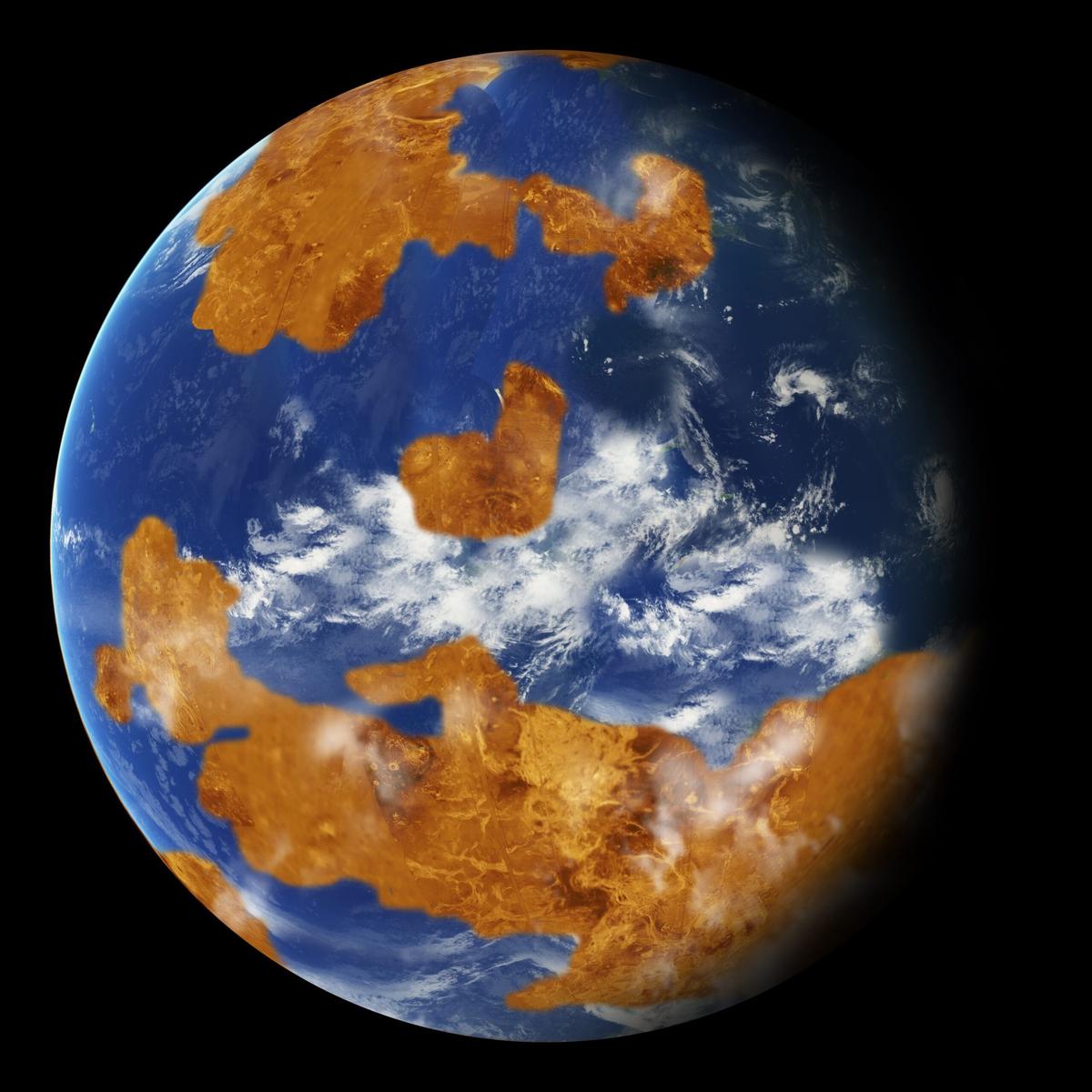
- •Model suggests Venus may have crossed this water limit in its history.
- •Future telescopes could flag habitable‑zone worlds with low ocean coverage.
- •Runoff‑limited weathering model improves predictions over temperature‑only approaches.
Pulse Analysis
The geologic carbon cycle acts as a planetary thermostat, linking volcanic CO₂ emissions to silicate weathering that draws down atmospheric greenhouse gases. Traditional models tied weathering primarily to surface temperature, but the new framework incorporates runoff constraints, recognizing that insufficient liquid water can choke the weathering engine. By simulating water, carbon, and heat exchanges over 4.5 billion years across four initial water inventories, the authors reveal a sharp transition: once surface water falls below roughly a fifth of Earth’s oceans, the feedback collapses, and CO₂ accumulates unchecked.
This water‑threshold mechanism provides a compelling narrative for Venus’s present-day extreme climate. If early Venus possessed less than 20‑50% of Earth’s ocean mass, its weathering would have been too weak to offset volcanic outgassing, triggering a runaway greenhouse that evaporated any remaining water. The same physics applies to exoplanets orbiting M‑dwarf stars, which often form with modest water budgets. An apparently temperate world in the conventional habitable zone could silently march toward desiccation and sterilization, underscoring the need to factor interior‑surface water coupling into habitability assessments.
Observationally, the study guides upcoming missions such as the Habitable Worlds Observatory. Detecting ocean glint, measuring land‑to‑water ratios, or inferring atmospheric CO₂ levels can flag planets that sit near the critical water limit. Prioritizing targets with robust water reservoirs will improve the efficiency of biosignature searches and avoid false positives. In essence, the work reframes habitability as a balance of water and carbon, not just stellar irradiance, sharpening the criteria by which we judge the next Earth‑like worlds.
Can Arid Planets Keep Their Cool?
Comments
Want to join the conversation?