Why It Matters
The findings reveal that mosquitoes can adapt to residual DEET odor, potentially reducing repellent effectiveness over time and prompting revisions to vector‑control practices.
Key Takeaways
- •Lab‑trained Aedes aegypti mosquitoes approached DEET‑treated hand for blood
- •Untrained mosquitoes avoided DEET, confirming innate repellency
- •Learning occurred only after DEET’s repellent effect waned
- •Study underscores need for proper application timing and concentration
Pulse Analysis
DEET has been the cornerstone of personal mosquito protection for decades, yet scientists still debate how the chemical works. Some research argues that DEET’s strong smell or taste deters insects, while other studies suggest it scrambles olfactory receptors, preventing mosquitoes from detecting human cues. This uncertainty matters because the mechanism influences how products are formulated and applied. By framing DEET as a detectable odor rather than an invisible shield, the new study adds a critical piece to the puzzle of insect‑repellent science.
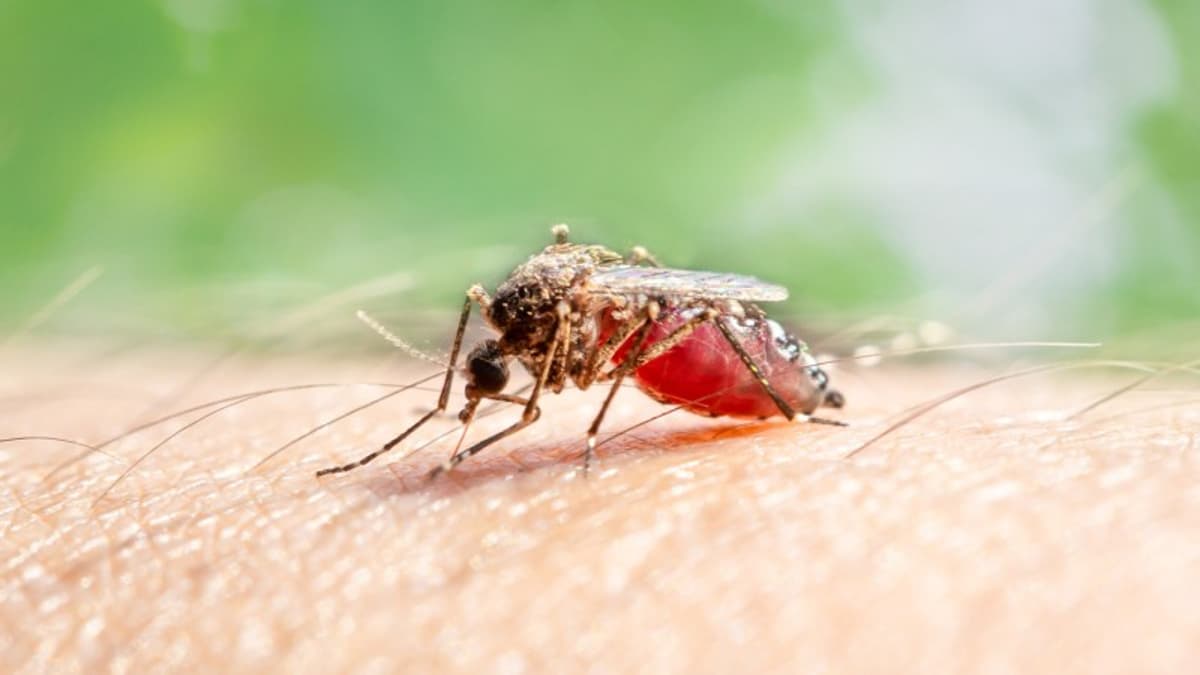
In a controlled laboratory setting, Virginia Tech neuroethologist Clément Vinauger and colleagues trained Aedes aegypti mosquitoes to link DEET exposure with a blood reward. Mosquitoes first fed on an artificial feeder while breathing clean air, then were briefly exposed to DEET, creating an associative learning scenario. When later placed in a tube with one hand sprayed with DEET and another untreated hand, the trained insects gravitated toward the DEET‑treated side, whereas naïve mosquitoes steered clear. The behavior only emerged after the immediate repellent effect of DEET faded, indicating that the insects can learn to treat the odor as a cue for food once the chemical’s deterrent potency drops.
The broader implications touch public‑health strategies and commercial repellent use. If mosquitoes can habituate to residual DEET odor, the protective window of a single application may be narrower than previously thought, especially in high‑risk regions where repeated bites drive disease transmission. Consumers should follow label instructions regarding concentration and re‑application intervals to maintain efficacy. Meanwhile, vector‑control programs may need to integrate complementary tactics—such as spatial repellents or novel attract‑and‑kill devices—to counteract potential behavioral adaptation. Ongoing research into the neural pathways of mosquito olfaction will be essential for designing next‑generation repellents that stay ahead of insect learning.
Can DEET attract mosquitoes? A lab study offers clues
Comments
Want to join the conversation?
Loading comments...