Can You Stop Malaria Crossing Borders? One Nation’s Bid to Wipe Out the Disease
Why It Matters
The effort illustrates how border health coordination, climate adaptation, and sustained financing are critical for malaria eradication in sub‑Saharan Africa, influencing regional disease burden and economic stability.
Key Takeaways
- •Eswatini logged 362 malaria cases in 2024, up from zero years
- •Neighboring Mozambique reported 11.6 million cases, highlighting cross‑border risk
- •Climate‑driven floods expand mosquito breeding sites, lengthening transmission season
- •Insecticide sprays last three months, requiring frequent re‑application
- •Global Fund cut $1.4 bn in grants, straining training resources
Pulse Analysis
Eswatini’s malaria elimination drive sits at the intersection of public health, climate change, and regional mobility. With only 362 confirmed cases in 2024, the nation’s burden appears modest, yet the proximity to Mozambique’s 11.6 million infections creates a constant threat of re‑introduction. Seasonal floods, driven by shifting temperature patterns, generate new breeding habitats that extend the transmission window well beyond the traditional March peak, complicating control measures that were once predictable. This environmental volatility forces health officials to constantly adapt surveillance strategies and community outreach.
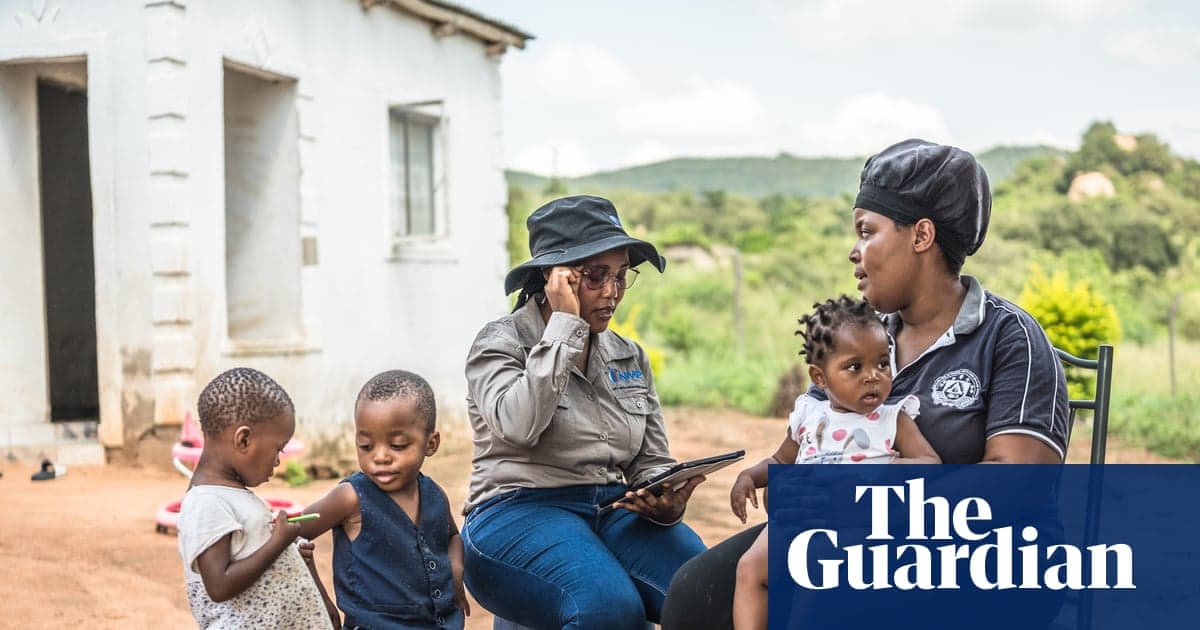
In the field, Eswatini’s national insectary in Siphofaneni serves as the operational hub for rapid response. Technicians collect mosquitoes from sentinel sites, identify species under microscopes, and test insecticide susceptibility, enabling health teams to issue same‑day alerts when a case is confirmed. House‑to‑house visits distribute rapid‑diagnostic tests, leaflets, and insecticide sprays, while residents are coached on eliminating standing water in everyday objects. However, the three‑month efficacy of current insecticides demands regular re‑spraying, stretching limited human and material resources.
Financial constraints add another layer of difficulty. The Global Fund’s $1.4 billion reduction in grant allocations last year trimmed training programs and hampered the scaling of innovative tools. Officials argue that without coordinated border health protocols and sustained donor support, the risk of resurgence remains high. Strengthening cross‑border surveillance, investing in longer‑lasting vector control products, and securing stable financing are essential to transform Eswatini’s ambitious elimination goal into a regional success story.
Can you stop malaria crossing borders? One nation’s bid to wipe out the disease
Comments
Want to join the conversation?
Loading comments...