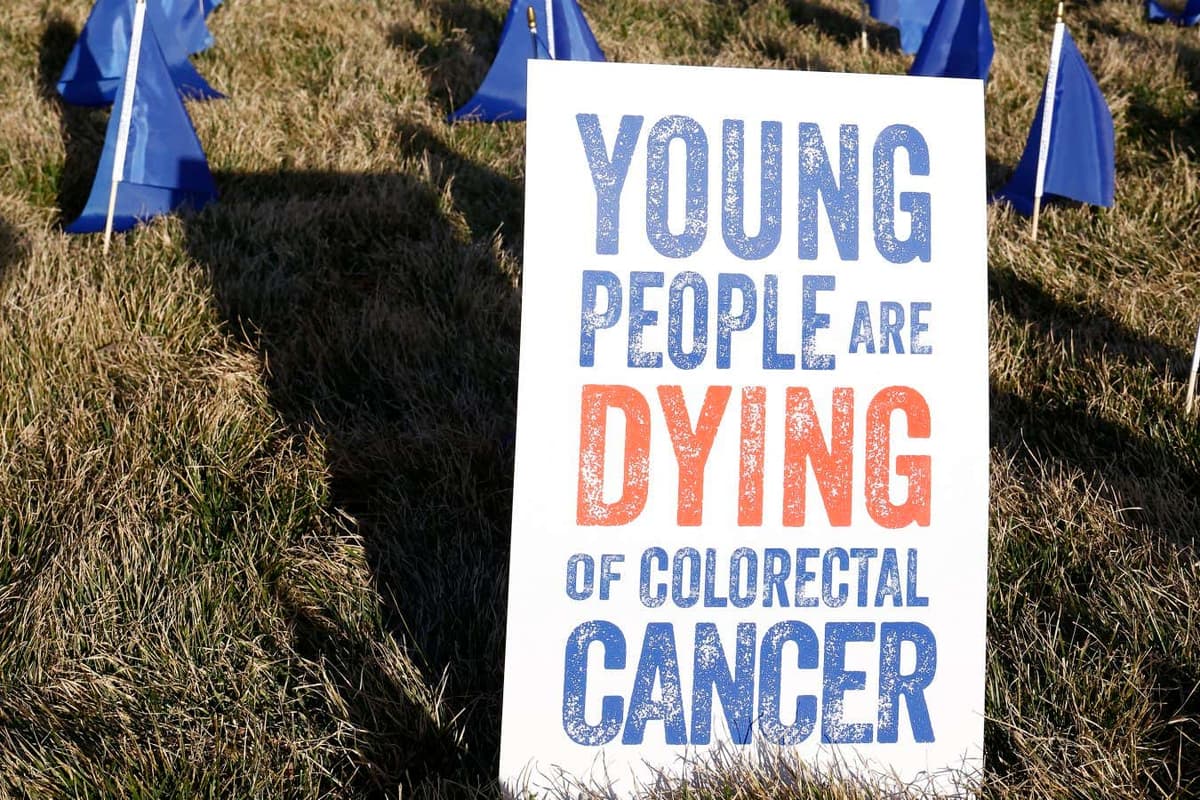
Cancer Is Increasing in Young People and We Still Don't Know Why
Why It Matters
The rise threatens to burden health systems with cancers that were once rare in younger adults, prompting urgent need for prevention strategies. Understanding the drivers is critical for policymakers, clinicians, and pharma developing early‑detection and lifestyle interventions.
Key Takeaways
- •Bowel cancer rates up 50% since 1990s in US, Australia, Canada
- •Obesity explains only ~20% of rise in young women's bowel cancer
- •Eleven cancers rise in 20‑49 age group, 1‑6% annual growth
- •Smoking, diet stable; BMI the only risk factor worsening
- •Trends appear to flatten; weight‑loss drugs could curb future cases
Pulse Analysis
The surge in colorectal and other cancers among adults under 50 has moved from a statistical curiosity to a public‑health alarm. Data from England, the United States, Australia and Canada show a roughly 50% jump in bowel‑cancer incidence since the 1990s, while eleven distinct cancer types now climb 1%‑6% per year in the 20‑49 age bracket. This pattern challenges the long‑standing view that cancer is primarily a disease of older age and forces health‑system planners to reconsider screening thresholds, resource allocation, and patient education.
Researchers have probed traditional lifestyle culprits—smoking, alcohol, processed‑meat consumption, and physical inactivity—but most have remained flat or improved over the study period. Body‑mass index, however, continues to rise, yet it accounts for only about one‑fifth of the increase in young‑women’s bowel cancer, leaving a substantial proportion unexplained. Emerging hypotheses point to ultra‑processed foods, pervasive PFAS “forever chemicals,” and antibiotic‑induced gut‑microbiome disruptions as possible contributors. The multifactorial nature of the trend underscores the need for interdisciplinary studies that blend epidemiology, molecular biology, and environmental health.
Policy and clinical responses are already evolving. Some jurisdictions are lowering the age for routine colonoscopy referrals, while pharmaceutical advances in GLP‑1 agonists such as semaglutide promise to curb obesity—a known, albeit partial, driver. If these weight‑loss therapies achieve broad uptake and reverse BMI trends, they could blunt future cancer spikes. Simultaneously, investment in early‑detection biomarkers and public‑health campaigns targeting diet and chemical exposures will be essential to stem the tide of cancers that were once considered rare among younger populations.
Cancer is increasing in young people and we still don't know why
Comments
Want to join the conversation?
Loading comments...