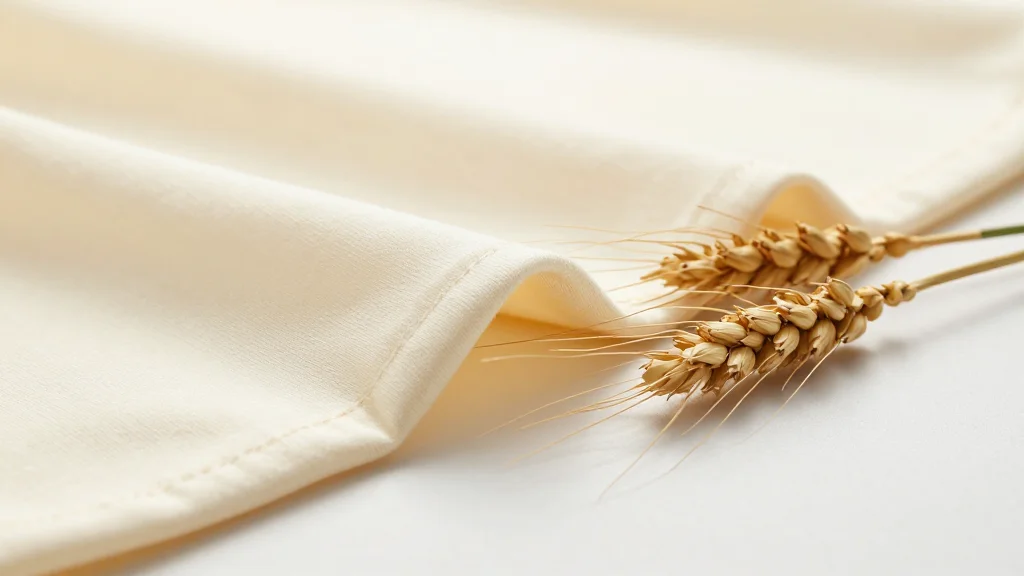
Canopy Suggests Wheat Straw Could Replace Wood Pulp in Fashion
Companies Mentioned
Why It Matters
Replacing wood pulp with wheat‑straw fiber offers a greener, more resilient textile supply chain while tackling India’s crop‑burning pollution and creating rural revenue streams.
Key Takeaways
- •Wheat straw fibers match wood‑based viscose and lyocell performance.
- •Project Latvus involved major brands and tech partners testing full supply chain.
- •India burns 90 million tonnes of straw annually, causing severe air pollution.
- •Redirecting straw to textiles can create income for farmers and cut emissions.
- •Scaling demand could achieve price parity with traditional wood pulp.
Pulse Analysis
The textile industry’s dependence on wood‑derived pulp has long raised sustainability concerns, from deforestation to water‑intensive processing. Agricultural residues, particularly wheat straw, present an abundant alternative; India alone generates roughly 90 million tonnes of straw each year, most of which is burned, creating hazardous air pollution and wasted carbon. Converting this residue into man‑made cellulosic fibers (MMCFs) not only diverts waste but also reduces the sector’s carbon footprint and offers a new revenue stream for rural communities. Early research has shown that straw‑based pulp can achieve comparable strength and purity to traditional sources.
Canopy’s Project Latvus put theory into practice, assembling a consortium that included fashion powerhouses C&A, H&M Group and Reformation, alongside technology firms Chempolis, TITK, Inovafil, Textile Genesis and A2P Energy. The pilot pulped Indian wheat straw into viscose and lyocell, producing yarns that matched the look, feel and durability of wood‑based lyocell in laboratory and garment tests. Partners reported seamless integration into existing production lines and confirmed that the fibers met commercial specifications for tensile strength, dye uptake and hand feel. The successful demo demonstrates that supply‑chain logistics—from farm to finished garment—can be managed at scale.
Commercial rollout hinges on two factors: reliable, cost‑effective supply of straw and price parity with wood pulp. As pooled demand grows, economies of scale could lower processing costs, making straw‑based MMCFs competitive without subsidies. For brands, adopting this feedstock aligns with ESG targets, reduces exposure to forest‑related regulatory risk, and offers a narrative of circularity that resonates with consumers. If the industry can overcome hurdles such as consistent quality and logistics, wheat‑straw fiber could become a mainstream alternative, reshaping the textile value chain and contributing to cleaner air in India.
Canopy suggests wheat straw could replace wood pulp in fashion
Comments
Want to join the conversation?
Loading comments...