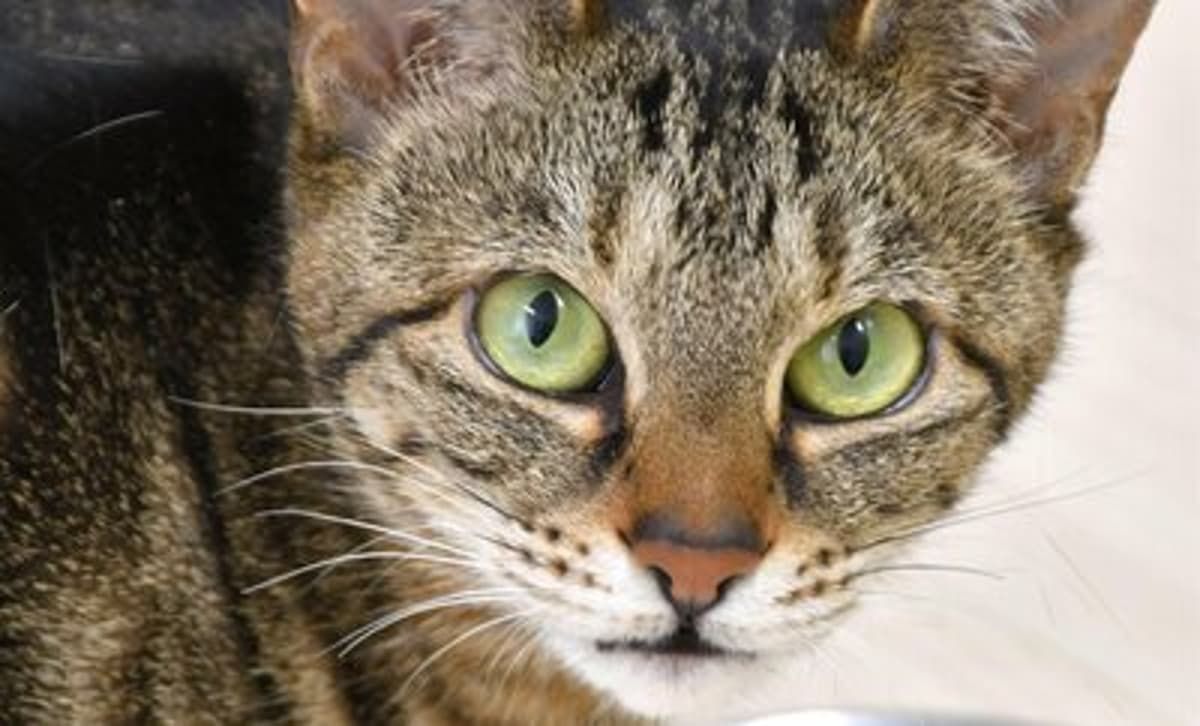
Cat Feeding Habits Shaped by Smell: Japan Univ. Study
Why It Matters
Understanding cats' olfactory-driven eating habits offers pet‑food companies a science‑backed lever to boost consumption, especially for senior or health‑compromised animals, while giving owners a practical tool to prevent food wastage.
Key Takeaways
- •Cats eat less when the same food smell is repeatedly presented
- •Introducing a new scent restores appetite even if the food remains unchanged
- •Food rotation based on olfactory cues can aid older or sick cats
- •Pet food manufacturers may develop scent‑varied formulas to boost consumption
Pulse Analysis
The Iwate University experiment adds a physiological layer to the long‑standing observation that cats are notoriously finicky eaters. By demonstrating that repeated exposure to the same odor leads to "olfactory habituation," the researchers explain why a cat’s bowl may sit half‑full despite adequate nutrition. This insight aligns with a $100 billion U.S. pet‑food market that increasingly values science‑driven product differentiation, offering manufacturers a clear, low‑cost avenue to enhance palatability without reformulating the base formula.
For pet‑food producers, the study opens a niche for scent‑enhanced product lines. Rotating aromatic additives—such as natural herb extracts or subtle protein‑derived volatiles—could be marketed as appetite‑support solutions for senior or convalescing cats. Such differentiation not only meets a functional need but also creates premium pricing opportunities, as consumers are willing to pay more for evidence‑based health benefits. Companies that integrate olfactory cues into packaging or feeding accessories may also capture additional shelf‑space and brand loyalty.
Veterinarians and animal‑care specialists stand to benefit as well. Recommending scent‑rotation strategies provides a non‑pharmacologic method to stimulate intake, reducing reliance on appetite‑stimulant drugs that carry side‑effects. Moreover, the findings may inspire further research into cross‑species olfactory influences, potentially reshaping feeding protocols for other companion animals. As the industry embraces a more nuanced view of animal behavior, the convergence of neuroscience and pet nutrition promises both improved welfare outcomes and new revenue streams.
Cat feeding habits shaped by smell: Japan univ. study
Comments
Want to join the conversation?
Loading comments...