Catching a Cold Can Delay Cancer From Spreading to the Lungs
Why It Matters
The finding points to a novel anti‑metastatic strategy that could improve survival for patients whose cancers frequently spread to the lungs, highlighting the therapeutic potential of repurposing innate immune pathways.
Key Takeaways
- •RSV infection in mice blocked breast cancer cells from colonizing lungs
- •Protective effect linked to antiviral proteins that hinder viral replication
- •Study suggests harnessing infection‑fighting pathways as anti‑metastatic therapy
- •Human relevance pending; safety of using live virus or mimetics remains uncertain
Pulse Analysis
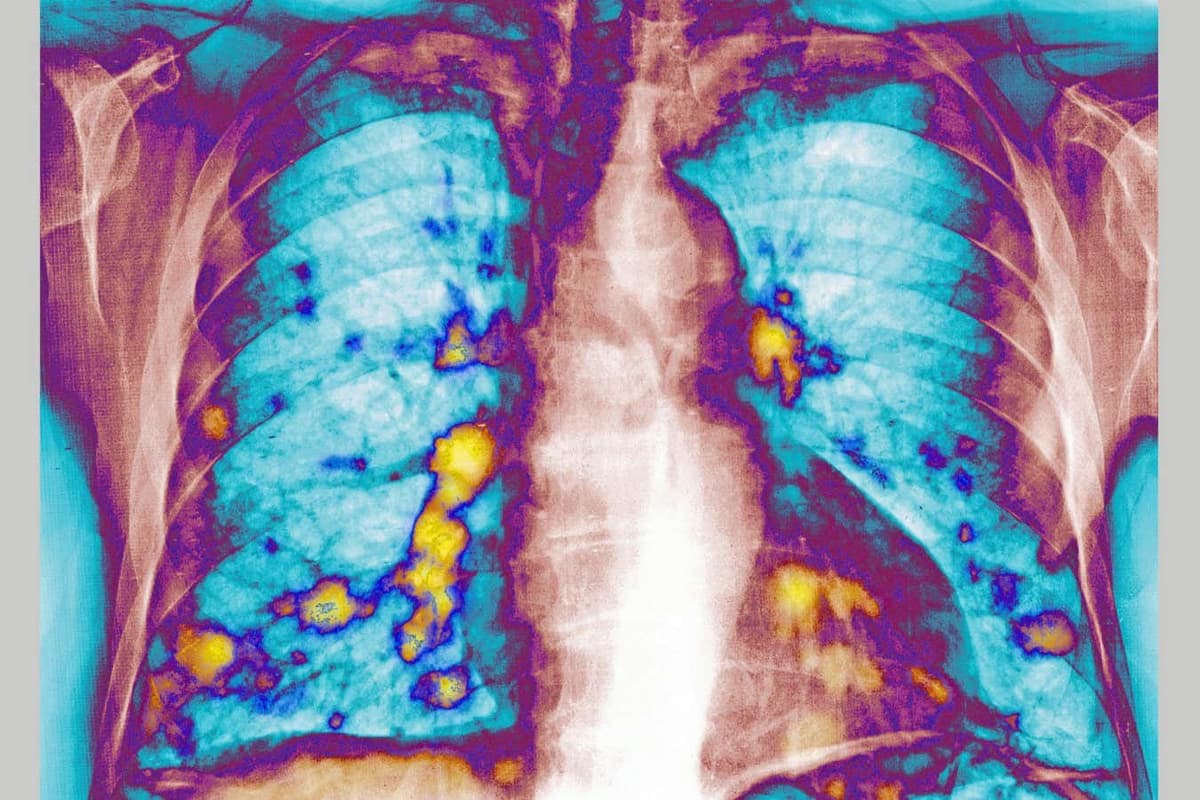
Metastatic spread to the lungs remains a leading cause of cancer mortality, accounting for a large share of treatment failures across solid tumours. Respiratory syncytial virus (RSV) infects nearly every child by age two and typically produces mild cold‑like symptoms, yet its interaction with the immune system is complex. Recent pre‑clinical work shows that an RSV‑triggered antiviral response can create a hostile microenvironment for circulating tumour cells, effectively reducing their ability to seed new lung lesions.
In the mouse model, researchers introduced RSV shortly before injecting breast cancer cells into the bloodstream. Within weeks, lungs of infected animals displayed far fewer metastatic nodules compared with controls. Molecular analysis revealed heightened expression of interferon‑stimulated genes and proteins such as IFITM3 that block viral entry; these same molecules also interfere with cancer cell adhesion and proliferation. By co‑opting the body’s natural viral defence mechanisms, the study suggests a pathway‑focused therapeutic angle that sidesteps the toxicity of conventional chemotherapy.
Translating these insights into human treatments will demand innovative drug design, likely favoring small‑molecule mimetics or engineered biologics that activate the identified antiviral proteins without introducing live virus. If successful, such agents could complement existing systemic therapies, offering a targeted means to curb lung metastasis in breast, colorectal, and other cancers. The market potential is substantial, given the high unmet need for anti‑metastatic drugs and the growing interest in immunomodulatory oncology approaches.
Catching a cold can delay cancer from spreading to the lungs
Comments
Want to join the conversation?
Loading comments...