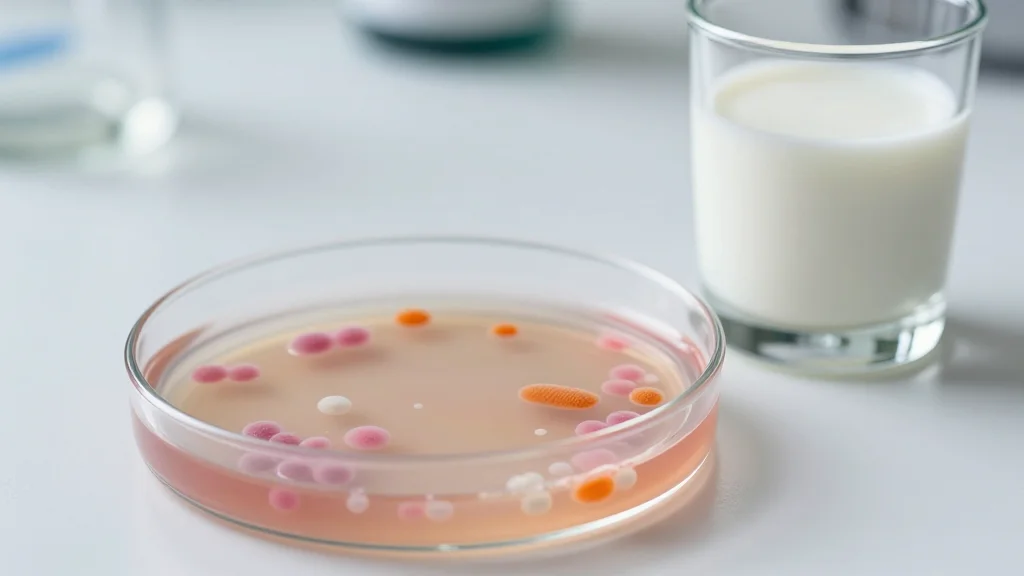
Causal Interplay Between Lactose Intolerance and Gut Microbiota: A Combined Bidirectional Mendelian Randomization and in Vivo Validation Study
Companies Mentioned
Why It Matters
The findings demonstrate that gut microbes are not merely passengers but active contributors to lactose intolerance, opening avenues for probiotic or dietary strategies to mitigate symptoms. This causal evidence shifts the therapeutic focus toward microbiome modulation in a condition affecting millions worldwide.
Key Takeaways
- •Deltaproteobacteria and Bilophila increase lactose intolerance risk
- •Paraprevotella and Blautia linked to reduced lactose intolerance susceptibility
- •Reverse MR shows lactose intolerance boosts Bifidobacterium abundance
- •Rat model confirms microbial shifts, highlighting Blautia loss with high lactose
Pulse Analysis
Lactose intolerance remains a pervasive digestive disorder, affecting roughly a quarter of U.S. adults and up to 70 % of certain ethnic groups. Traditional observational studies have struggled to untangle whether gut microbes drive intolerance or simply reflect dietary habits. By leveraging Mendelian randomization—a genetic instrument that mimics a randomized trial—researchers sidestepped confounding factors, drawing on large‑scale GWAS data from the MiBioGen consortium and FinnGen biobank to probe causality in both directions.
The analysis pinpointed specific bacterial players: Deltaproteobacteria and the genus Bilophila emerged as risk enhancers, while Paraprevotella and Blautia showed protective associations. Functional pathway mapping highlighted the importance of carbohydrate and galactose metabolism, suggesting that microbial enzymatic activity may influence lactose breakdown and symptom severity. Intriguingly, reverse MR revealed that the genetic predisposition to LI can reshape the microbiome, notably elevating Bifidobacterium—a genus traditionally deemed probiotic—potentially due to heightened lactose fermentation that exacerbates gas production.
These insights carry tangible clinical implications. If certain taxa amplify LI risk, targeted probiotic formulations or prebiotic diets could restore a healthier microbial balance, bolstering SCFA‑producing Blautia and suppressing harmful Bilophila. Moreover, the rat model validation underscores the translational relevance of these findings, despite species differences. Future human trials employing metagenomic sequencing and controlled dietary interventions will be crucial to confirm therapeutic efficacy and to refine microbiota‑based diagnostics for lactose intolerance.
Causal interplay between lactose intolerance and gut microbiota: a combined bidirectional Mendelian randomization and in vivo validation study
Comments
Want to join the conversation?
Loading comments...