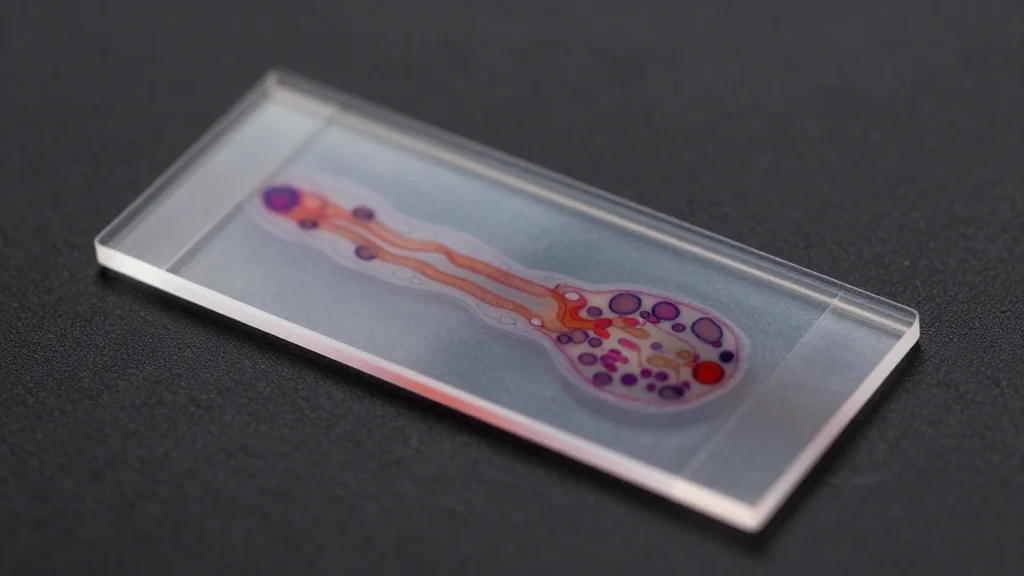
Cellular Pathways that Drive Precancerous Lesions to Form Pancreatic Tumors Identified
Why It Matters
Early metabolic cues that predict pancreatic tumor development could enable preventive therapies, addressing a disease with one of the lowest five‑year survival rates. Targeting NADPH‑related pathways may allow clinicians to intercept cancer before it becomes lethal.
Key Takeaways
- •G6PD and ME1 levels rise in pancreatic precancerous lesions.
- •Reduced G6PD or ME1 increases lesion formation in mice.
- •Lower NADPH elevates ROS, driving tumor progression.
- •Antioxidants glutathione and NAC reverse lesion increase.
- •Enzyme levels may serve as early pancreatic cancer biomarkers.
Pulse Analysis
Pancreatic ductal adenocarcinoma remains a therapeutic nightmare, largely because it is diagnosed after the disease has already entrenched itself in the pancreas. The early stage, known as acinar‑to‑ductal metaplasia, is a reversible response to injury, yet the molecular switches that tip this process toward malignancy have been elusive. Metabolic reprogramming, a hallmark of cancer, is now recognized as a decisive factor even before a tumor is visible, offering a window for intervention that could dramatically improve patient outcomes.
The University of Michigan team leveraged RNA‑sequencing and genetically engineered mouse models to uncover that G6PD and ME1, two enzymes that generate the reducing power molecule NADPH, are up‑regulated in precancerous lesions. When the activity of either enzyme was dampened, NADPH levels fell, reactive oxygen species surged, and the number of lesions increased. Importantly, supplementing mice with the antioxidants glutathione or N‑acetyl cysteine restored redox balance and curtailed lesion growth, confirming a causal link between redox stress and early tumorigenesis. Human pancreatic samples mirrored these findings, with ME1 loss alone sufficient to propel cells toward cancer.
Clinically, these insights could reshape how oncologists screen for pancreatic risk. Measuring G6PD and ME1 expression in pancreatic tissue or circulating exosomes may serve as an early biomarker panel, flagging patients who would benefit from antioxidant‑based chemoprevention or targeted metabolic inhibitors. Moreover, the study invites pharmaceutical exploration of drugs that sustain NADPH production or directly scavenge ROS in high‑risk individuals. As research expands to map the broader NADPH network, the prospect of halting pancreatic cancer at its inception moves from theory toward actionable reality.
Cellular pathways that drive precancerous lesions to form pancreatic tumors identified
Comments
Want to join the conversation?
Loading comments...