C&EN Weekly Chemistry News Quiz, May 1
Companies Mentioned


Why It Matters
These developments reshape multiple sectors—food analytics, pharmaceutical competition, catalyst design, and environmental remediation—by delivering faster, cheaper, and more sustainable solutions.
Key Takeaways
- •Cyclic voltammetry quantifies coffee roast strength for quality control
- •Sun Pharma's $11 billion Organon deal makes it 5th largest biosimilar seller
- •Air‑stable iron(I) achieved using durene ligand, expanding catalytic toolbox
- •Cure's New York center evaluates 25 parameters for academic‑industrial readiness
- •Jellyfish‑derived gel targets nanoplastics under 1 µm, offering remediation
Pulse Analysis
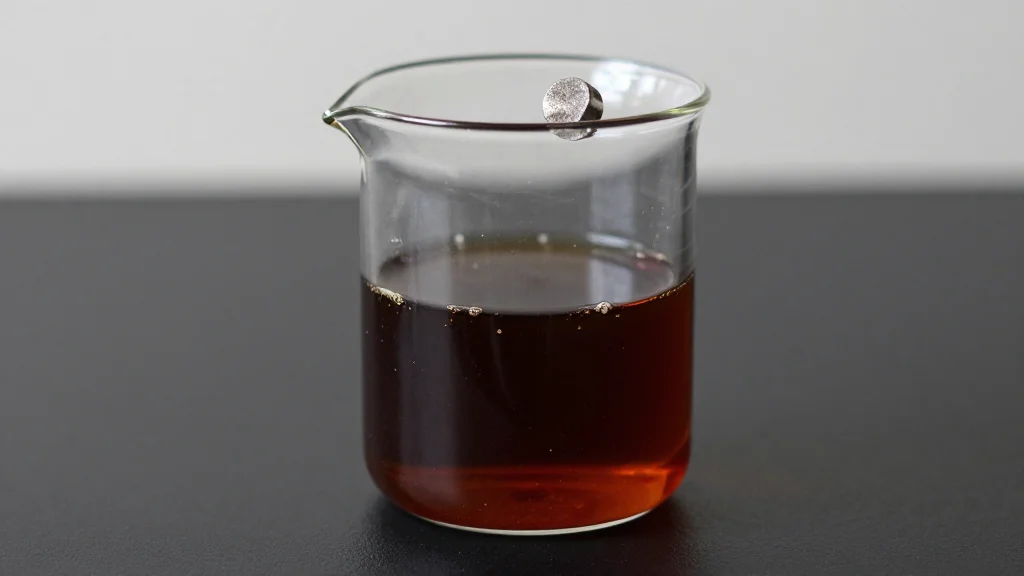
The application of cyclic voltammetry to coffee roasting marks a shift toward electrochemical sensing in food science. Traditional roast profiling relies on time‑temperature curves and sensory panels, but the Oregon team’s method delivers real‑time, quantitative data that can be integrated into automated production lines. This not only improves batch consistency but also reduces waste, aligning with broader industry moves toward data‑driven quality assurance.
Sun Pharma’s strategic purchase of Organon for more than $11 billion underscores the accelerating consolidation in the global biosimilars market. By securing Organon’s pipeline and manufacturing capacity, Sun Pharma jumps to the fifth‑largest biosimilar seller, intensifying competition with established players like Samsung Bioepis and Amgen. The $11.75 per‑share price reflects a premium for Organon’s strong pipeline in women’s health and oncology, positioning Sun Pharma to capture a larger share of the growing demand for affordable biologics, especially as patents on original biologics expire.
Environmental chemistry also takes a leap forward with a jellyfish‑inspired gel that selectively binds nanoplastics under 1 µm. Nanoplastics, defined by their sub‑micron size, pose significant challenges for water treatment due to their persistence and difficulty to filter. The biomimetic gel mimics the mucus of jellyfish, offering a low‑energy, scalable approach to capture these particles before they enter ecosystems. Coupled with the air‑stable iron(I) catalyst enabled by a durene ligand, the suite of innovations highlighted in the quiz illustrates how fundamental chemistry can drive practical solutions across food, pharma, and environmental sectors.
C&EN weekly chemistry news quiz, May 1
Comments
Want to join the conversation?
Loading comments...