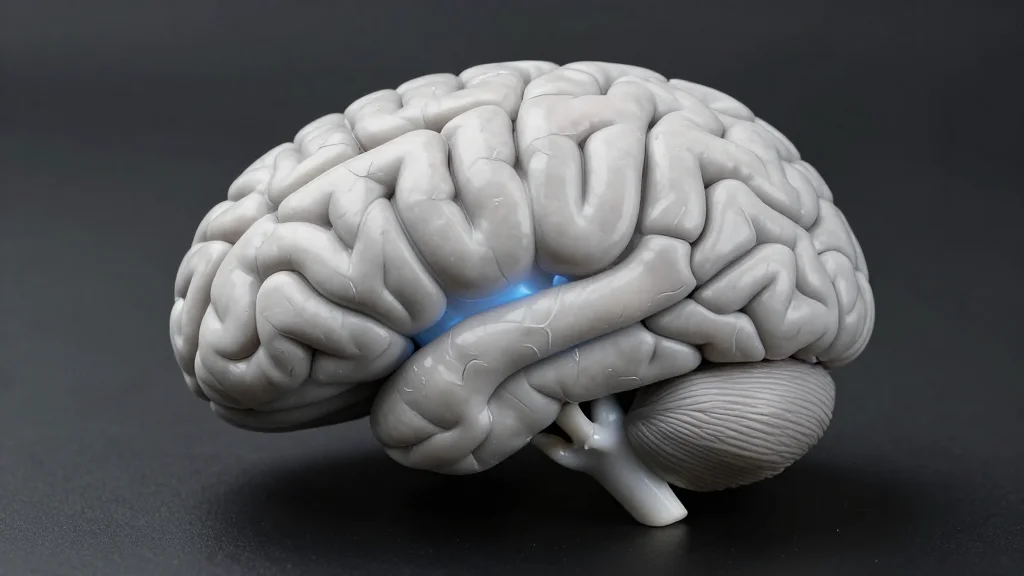
Cerebral Cortical Alterations in Adolescent Early-Onset Psychosis: A Surface-Based Morphometry Mega-Analysis
Why It Matters
The findings highlight neurodevelopmental disruptions as core features of adolescent psychosis, offering potential imaging biomarkers for early detection and targeted interventions.
Key Takeaways
- •387 EOP adolescents show reduced cortical thickness, area, volume, LGI.
- •Surface‑area deficits in EOP exceed adult schizophrenia by 1.5‑fold.
- •No significant impact of antipsychotic dose on cortical measures.
- •Negative symptoms associate with smaller left lingual volume.
- •Antidepressant use linked to reduced right rostral anterior cingulate area.
Pulse Analysis
Early‑onset psychosis (EOP) remains one of the most challenging mental‑health conditions, largely because it emerges during a critical window of brain maturation. By aggregating data from nine international sites, the ENIGMA‑EOP Working Group leveraged surface‑based morphometry to map cortical architecture in a cohort large enough to detect subtle, yet clinically meaningful, differences. The analysis confirmed that adolescents with EOP exhibit a diffuse pattern of cortical thinning, reduced surface area, lower volume, and diminished gyrification, suggesting that neurodevelopmental processes such as cortical arealization and folding are disrupted well before adulthood. These structural signatures parallel, but are not identical to, those observed in adult schizophrenia, underscoring both shared and age‑specific pathophysiology.
The study’s comparative lens revealed that surface‑area reductions in EOP are markedly greater—up to 1.5 times—than those reported in adult schizophrenia and severalfold larger than in adult bipolar disorder. This disproportionate impact on surface area points to early prenatal and postnatal mechanisms that may set the stage for later psychotic illness. Importantly, the lack of association between antipsychotic dosage and cortical metrics suggests that the observed brain changes are unlikely to be medication‑induced, strengthening their validity as intrinsic disease markers. The link between negative symptom severity and left lingual volume, as well as the specific effect of antidepressants on the right rostral anterior cingulate, provides nuanced clues about symptom‑specific neuroanatomy.
For clinicians and researchers, these findings reinforce the value of high‑resolution MRI as a tool for early risk stratification. The identified cortical alterations could inform the development of predictive models that integrate imaging, genetics, and clinical data, ultimately guiding personalized treatment pathways. As the field moves toward precision psychiatry, large‑scale collaborative efforts like ENIGMA will be pivotal in translating neuroimaging biomarkers into actionable clinical insights.
Cerebral cortical alterations in adolescent early-onset psychosis: a surface-based morphometry mega-analysis
Comments
Want to join the conversation?
Loading comments...